Why Maintenance Planning Matters From Day One
Buying a home transfers full responsibility for the building to you - often overnight. Unlike renting, where a landlord handles repairs, homeownership means that a leaky pipe at 2 a.m. or a furnace that quits in January is your problem to solve and your bill to pay. The good news: the vast majority of expensive home repairs are preventable with consistent, scheduled upkeep.
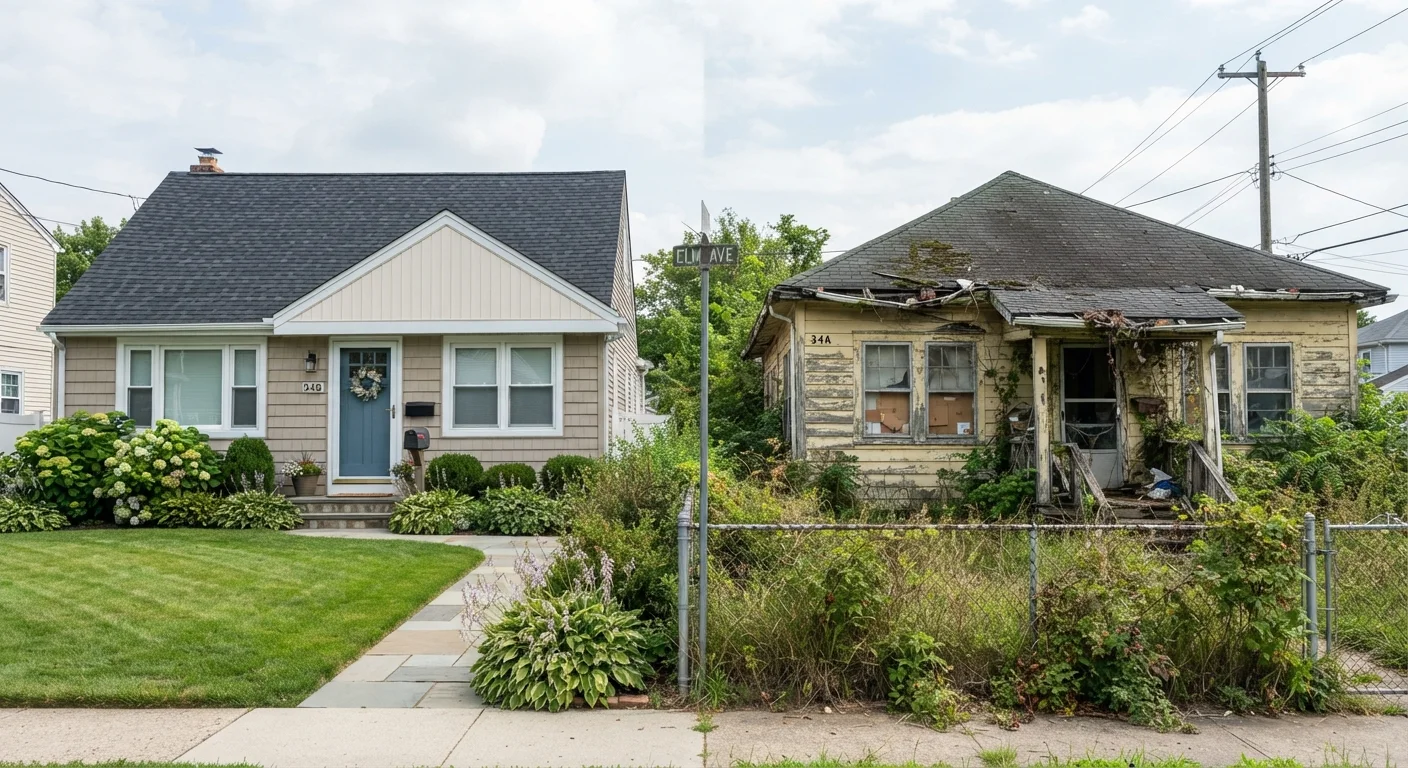
Think of your home like a vehicle. Skip oil changes long enough and the engine fails. The same logic applies to gutters, HVAC filters, roof flashing, and water heaters. As explored in what happens when maintenance gets skipped, neglected upkeep has a way of compounding - and the costs compound with it. A roadmap keeps you ahead of that curve.
Water main shutoff
The primary valve that stops water flow to the entire house. Knowing its location lets you quickly stop flooding during a burst pipe or plumbing emergency.
HVAC filter
A replaceable filter inside your heating and cooling system that traps dust, allergens, and debris. Replacing it regularly keeps air quality healthy and the system running efficiently.
GFCI outlet
A ground fault circuit interrupter outlet - a safety device that cuts power instantly if it detects an electrical fault. Required near water sources like sinks and in garages.
Deferred maintenance
Upkeep that has been delayed or skipped. Over time, deferred maintenance tends to turn small, inexpensive problems into large, costly ones.
Ice dam
A ridge of ice that forms at the edge of a roof in cold climates, preventing snowmelt from draining properly and potentially causing water to back up under shingles.
Hose bib
An outdoor faucet used to connect garden hoses. In cold climates, these must be shut off and drained before winter to prevent the pipe behind them from freezing and bursting.
The First 30 Days: Learn Your Home
Before you tackle any repairs or improvements, invest your first month in simply understanding the home you now own. This knowledge becomes your safety net during every emergency and maintenance task that follows.
- Locate all shutoffs: Find and label the main water shutoff, individual fixture shutoffs, the electrical panel (label each breaker), and the gas shutoff. Walk every family member through these locations.
- Document existing conditions: Photograph every room, appliance, the roof, exterior siding, and basement. Date-stamped documentation protects you if future insurance claims arise.
- Replace and test safety devices: Install fresh batteries in all smoke detectors and carbon monoxide detectors, test every unit, and note replacement dates. Change locks or rekey entry doors.
- Collect records: Gather appliance manuals, warranty documents, and any inspection reports. Create a home file - physical or digital - you'll return to repeatedly.
This foundation also pairs well with building organizational systems from the start. See our home organization guide for first-time homeowners for practical habits that keep things manageable long-term.
Seasonal Tasks: What to Do Each Quarter
Organizing maintenance by season aligns your efforts with what the home actually needs as conditions change. Here's a practical quarterly breakdown:
- Spring
- Inspect the roof for winter damage (missing shingles, lifted flashing). Clean gutters and downspouts. Check window and door seals for drafts. Test the air conditioner before peak heat arrives. Inspect the foundation for cracks after freeze-thaw cycles.
- Summer
- Trim trees and shrubs away from the house. Check deck boards and railings for rot or loose fasteners. Inspect exterior paint and caulking around windows. Clean the dryer vent if not done recently.
- Fall
- Service the furnace or heating system - schedule a professional tune-up before you need it. Clear gutters of fallen leaves. Drain and store garden hoses; shut off exterior hose bibs. Check attic insulation and ventilation.
- Winter
- Monitor for ice dams on the roof edge in cold climates. Keep cabinet doors under sinks open during deep freezes to prevent pipe bursts. Test and restock an emergency supply kit.
For a detailed quarterly checklist, seasonal home maintenance every three months walks through each inspection and tune-up in full.
Set Calendar Reminders for Every Season
Add recurring calendar alerts for the first week of each season - spring, summer, fall, and winter. Attach a short checklist to each reminder so the tasks are already in front of you when the time comes. This simple habit removes decision fatigue and ensures nothing gets skipped during busy stretches.
Ongoing Monthly Habits That Protect Your Investment
Between seasonal deep-dives, a handful of monthly checks takes less than 30 minutes and catches problems early. Make these part of a standing routine:
- Check and replace HVAC filters on schedule (monthly for standard 1-inch filters, or per manufacturer guidance).
- Run water in infrequently used sinks, showers, and toilets to prevent drain trap evaporation and sewer gas entry.
- Inspect under sinks for drips or moisture - early detection stops mold before it starts.
- Test GFCI outlets in bathrooms, kitchens, and the garage by pressing the test/reset buttons.
- Clear debris from around your HVAC condenser unit and ensure at least 2 feet of clearance.
These tasks are also referenced in tasks first-timers put off too long - a useful companion read for understanding which delays carry the steepest consequences.
Building a Maintenance Budget
Home maintenance isn't free, and surprises happen even in well-maintained homes. A widely cited rule of thumb suggests setting aside 1-2% of your home's purchase price annually for upkeep and repairs. On a $350,000 home, that's $3,500-$7,000 per year - roughly $300-$580 per month. Older homes and those with aging systems may fall closer to the higher end.
Keep this fund separate from your emergency fund. Maintenance spending is expected; your emergency fund is for the truly unexpected. For guidance on building both, see a savings roadmap for your first year of homeownership. Incorporating these line items into your monthly budget from the outset - as outlined in the monthly budget setup checklist for first-time homeowners - prevents sticker shock when maintenance bills arrive.
Don't Raid Your Maintenance Fund Early
It can be tempting to use a growing maintenance reserve for other expenses - furniture upgrades, landscaping wants, or weekend projects. Resist this impulse during your first year. Your home's systems don't follow a convenient schedule, and having that buffer available when a water heater fails or a roof repair is needed prevents a manageable cost from becoming a financial emergency.
When to DIY and When to Call a Professional
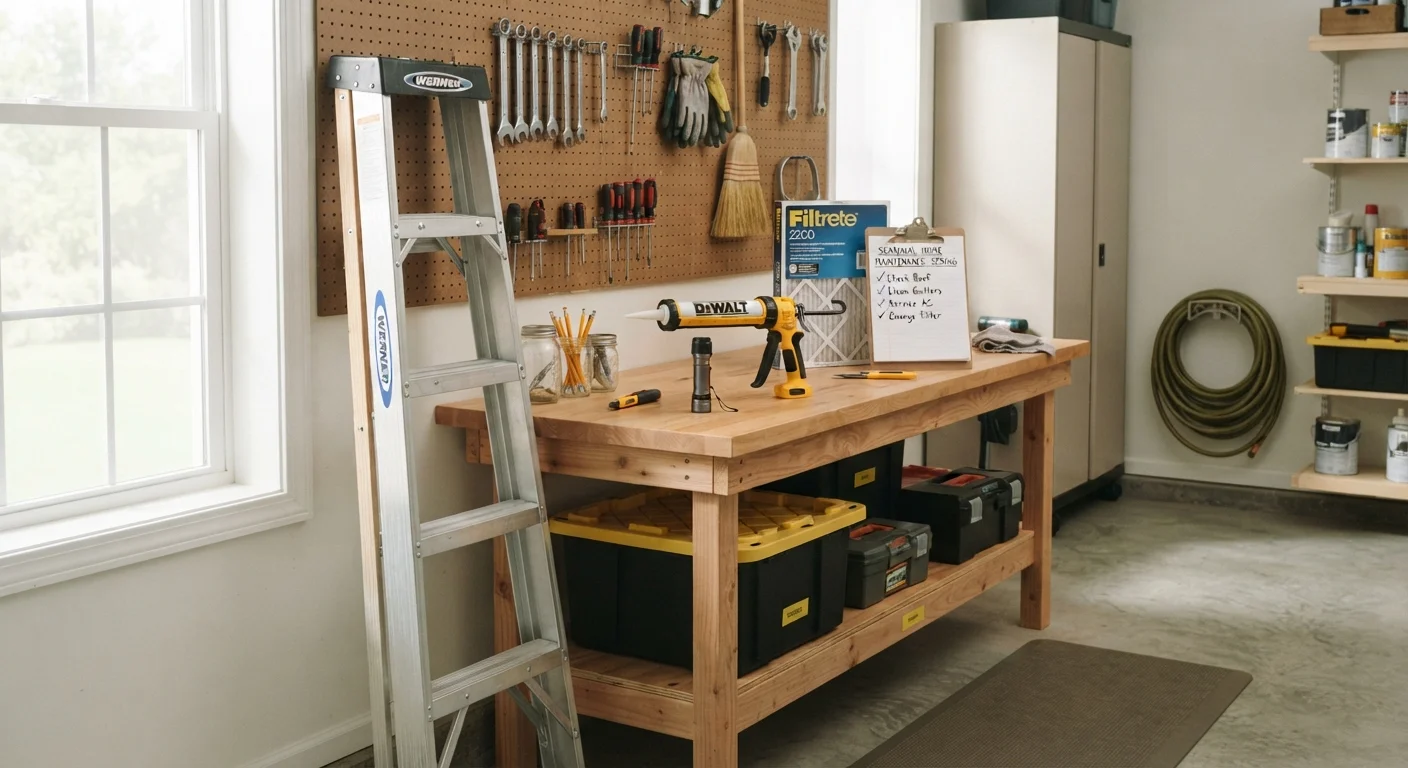
Part of learning your home is learning your limits. Many maintenance tasks are genuinely DIY-friendly: replacing filters, caulking windows, patching small drywall holes, painting, and basic landscaping. Others are not.
Always engage a licensed, qualified professional for:
- Electrical work involving the panel, wiring, or new circuits - improper work is a fire hazard and may violate local codes.
- Gas lines of any kind - gas leaks are immediately dangerous.
- Structural repairs including load-bearing walls, foundation work, or significant roof replacement.
- Permitted projects - check with your local building department any time a project may require a permit. Unpermitted work can complicate insurance claims and home sales.
When in doubt, get a professional assessment before starting. The cost of a consultation is almost always less than the cost of correcting a mistake - or dealing with a safety incident. Staying informed about which tasks fall in which category is one of the most valuable things a first-year homeowner can do.