
Why First-Time Homeowners Fall Behind on Upkeep
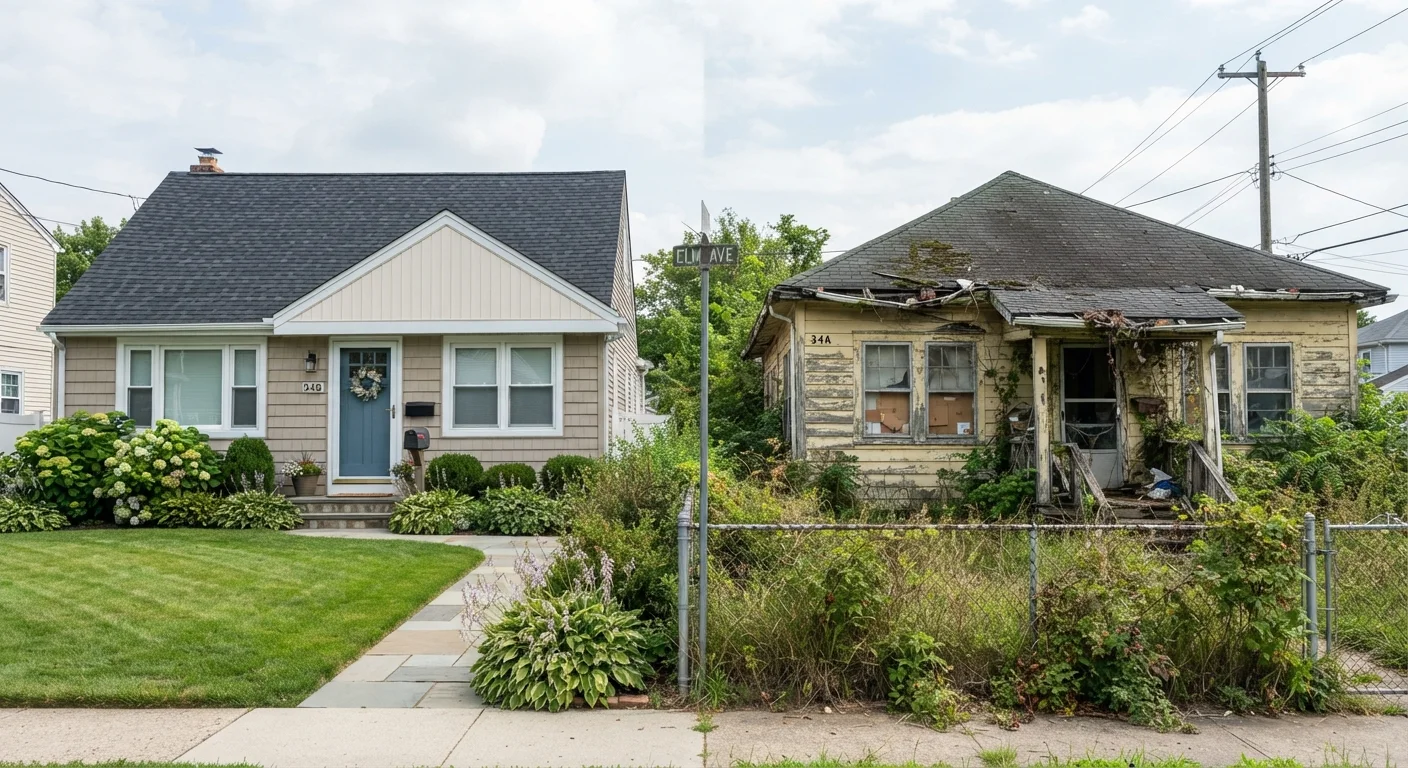
Owning a home for the first time comes with a steep learning curve. Beyond the mortgage and the moving boxes, there's a whole calendar of maintenance tasks that no one hands you at closing. Most first-timers don't skip these jobs out of laziness - they skip them because they don't yet know they exist, or they underestimate the consequences of waiting.
The result is predictable: small, inexpensive problems quietly grow into large, disruptive ones. Deferred maintenance compounds quickly, turning a $15 tube of caulk into a $2,000 water damage repair. Understanding why these tasks get skipped is the first step to actually doing them.
If you're not yet fluent in home maintenance terminology, brushing up on the basics will make every inspection and contractor conversation easier.
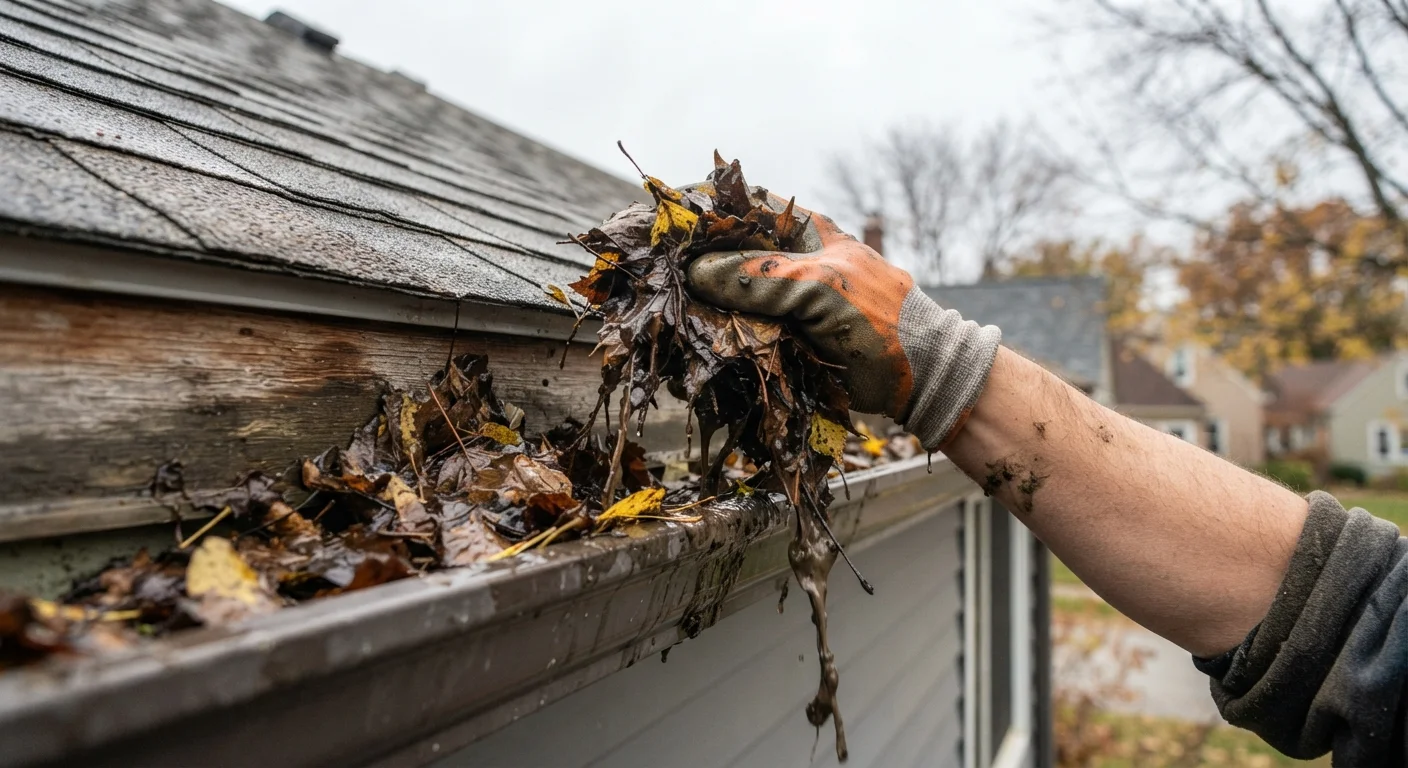
Neglecting gutter cleaning until visible overflow or sagging occurs.
Why it happens: Gutters are out of sight and cleaning them feels tedious, so homeowners assume a small clog won't cause real harm.
Going months or years without changing the HVAC filter.
Why it happens: Filters are hidden inside the unit and the replacement reminder is easy to ignore when the system still seems to be running.
Ignoring cracked or missing caulk around windows, doors, and tubs.
Why it happens: Deteriorating caulk looks minor and is rarely an emergency, so homeowners keep deferring the fix until water damage becomes obvious.
Skipping annual water heater maintenance.
Why it happens: Water heaters work silently in utility closets, so most homeowners assume they need no attention until they fail completely.
Letting exterior wood trim and painted surfaces go unprotected.
Why it happens: Paint fading seems cosmetic, so homeowners rank it low compared to interior upgrades or appliance issues.
The Maintenance Tasks Most Likely to Get Ignored
Certain upkeep jobs are skipped far more often than others - usually because they're out of sight, feel low-stakes, or require a small amount of effort that's easy to postpone indefinitely. The tasks below show up repeatedly among first-time homeowners who end up facing avoidable repair bills.
~$1,000
Average cost of a water damage repair claim
According to the Insurance Information Institute, water damage is one of the most common and costly homeowner insurance claims filed annually.
5-15%
Energy savings from a clean HVAC filter
The U.S. Department of Energy notes that replacing a clogged filter can reduce HVAC energy consumption by 5 to 15 percent.
Gutters are a prime example. Most homeowners know they should clean them, but few do it consistently. Cleaning and inspecting gutters at least twice a year - typically in late spring and late fall - prevents water from backing up against fascia boards and foundation walls. Similarly, HVAC filters are changed far less often than manufacturers recommend, which strains the system and degrades air quality.
Attic ventilation is another area where small oversights carry outsized consequences. Poor attic airflow can shorten your roof's lifespan, raise energy bills, and create moisture problems that invite mold - none of which are visible from your living room until the damage is done.
Electrical, Gas, and Structural Work Requires a Pro
Some deferred maintenance tasks - such as aging electrical panels, gas line connections, or foundation cracks - are not safe DIY territory. If you notice sparking outlets, a gas smell, or significant structural shifts in your home, stop and contact a licensed professional immediately. Attempting high-risk repairs without the proper credentials can violate local building codes and create serious safety hazards.
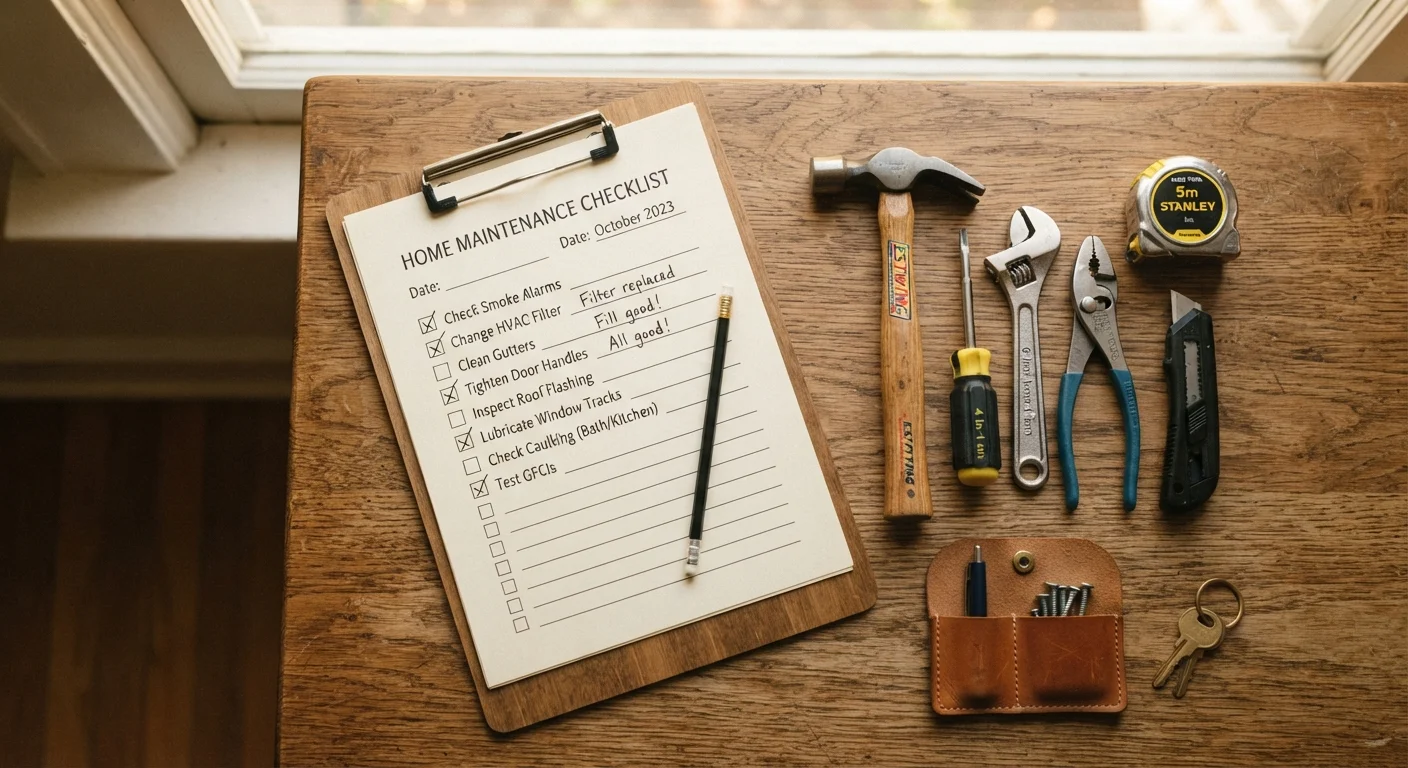
For a structured approach to your first year of upkeep, a month-by-month maintenance roadmap can help you stay ahead of seasonal demands without feeling overwhelmed. And when a task turns out to be more involved than expected, knowing when to call a licensed contractor protects both your safety and your home's value.