Why Vocabulary Is Part of Home Ownership
When a contractor mentions your soffit needs repainting or a home inspector flags a problem with your weep screed, it's easy to nod along without really understanding what's at stake. But knowing what these terms mean can be the difference between catching a small issue early and paying for a major repair later.
This glossary covers the words that come up most often during routine and seasonal maintenance - the kind you'll hear from inspectors, plumbers, roofers, and HVAC technicians. Think of it as a reference you can return to whenever something unfamiliar comes up.
For a fuller picture of how these terms connect to real tasks on a monthly schedule, see Your First Year as a Homeowner: A Maintenance Roadmap.
Flashing
Thin metal (typically aluminum or galvanized steel) installed at roof joints, around chimneys, and along valleys to prevent water from seeping into the structure. Damaged or missing flashing is a leading cause of roof leaks.
Fascia
The horizontal board mounted at the lower edge of the roof, directly behind the gutter. It protects the roof framing from moisture and provides a surface to which gutters are attached.
Soffit
The finished underside of the roof overhang. Vented soffits allow air to circulate into the attic, reducing heat and moisture buildup that can damage insulation and structural members.
Frost Line
The maximum depth at which groundwater is expected to freeze in a given geographic area. Foundations, fence posts, and exterior pipes must extend below the local frost line to avoid damage from freeze-thaw movement.
Grade
The slope of the ground around a building. Proper positive grade - meaning the soil slopes away from the foundation - directs surface water away from the structure and helps prevent basement water intrusion.
P-Trap
A curved section of pipe installed beneath sinks and other drain fixtures. It holds a small amount of water that acts as a seal, blocking sewer gases from traveling back up through drains into the living space.
Pressure Relief Valve
A safety device on water heaters and boilers that automatically releases water or steam if internal pressure or temperature exceeds safe operating limits. It should be tested periodically as part of routine maintenance.
MERV Rating
Minimum Efficiency Reporting Value - a standardized scale rating how effectively an HVAC air filter captures airborne particles. Ratings range from 1 to 16 for residential use; higher numbers capture smaller particles but may require system compatibility checks.
Building Code
A set of regulations established by local, state, or federal authorities specifying minimum standards for construction, systems installation, and safety. Codes govern everything from electrical wiring to stair riser height.
Weep Screed
A metal strip installed at the base of exterior stucco or cladding that allows trapped moisture to drain out rather than accumulate behind the wall. A blocked weep screed can lead to water damage and mold.
Caulk
A flexible sealant applied to gaps and joints around windows, doors, pipes, and fixtures to prevent air and water infiltration. Different formulations exist for interior, exterior, and wet-area applications.
Load-Bearing Wall
A wall that carries structural weight from the floors or roof above and transfers it to the foundation. Removing or modifying a load-bearing wall without proper engineering assessment and support is hazardous and typically requires a permit.
Key Areas Where Maintenance Terms Cluster
Home maintenance vocabulary tends to group by system. Understanding which system a term belongs to helps you ask sharper questions and take faster action.
| Frost line depth (US average) | Varies from 0 inches (deep South) to over 60 inches (northern states) (Depth varies by climate zone; check local building codes) |
| Recommended MERV range for most homes | MERV 8-13 (U.S. Department of Energy guidance) |
| Gutter cleaning frequency | At least twice per year (spring and fall) (Widely accepted industry standard) |
| Water heater relief valve test | Annually recommended (Manufacturer and plumbing industry guidance) |
| Caulk replacement interval (exterior) | Every 5-10 years, or when cracking appears (General contractor best practice) |
Roof and Exterior
The roof system includes more than shingles. Flashing - thin metal strips sealed around chimneys, vents, and valleys - is one of the most common sources of water infiltration when it fails. Fascia is the board running along the lower edge of the roof that supports gutters; rotted fascia is a frequent culprit behind gutter detachment. Soffit panels run horizontally underneath the roof overhang and are ventilated to allow airflow into the attic.
Foundation and Drainage
The frost line is the depth below which the ground doesn't freeze in winter - a critical number for footings, fence posts, and pipes. If structural elements don't extend below the frost line, freeze-thaw cycles can shift or crack them. Grade refers to the slope of the soil around your foundation: proper grade directs water away from the house rather than toward it.
Plumbing and HVAC
A P-trap is the curved pipe section under sinks that holds water to block sewer gases from entering the home. The pressure relief valve on a water heater is a safety device that releases excess pressure - testing it annually is a standard maintenance step. In HVAC, MERV rating indicates air filter efficiency; higher MERV values trap finer particles but can restrict airflow if the system isn't designed for them.
Many of the tasks tied to these components are ones that first-timers put off too long - often without realizing the downstream cost.
Permits, Codes, and Professional Work
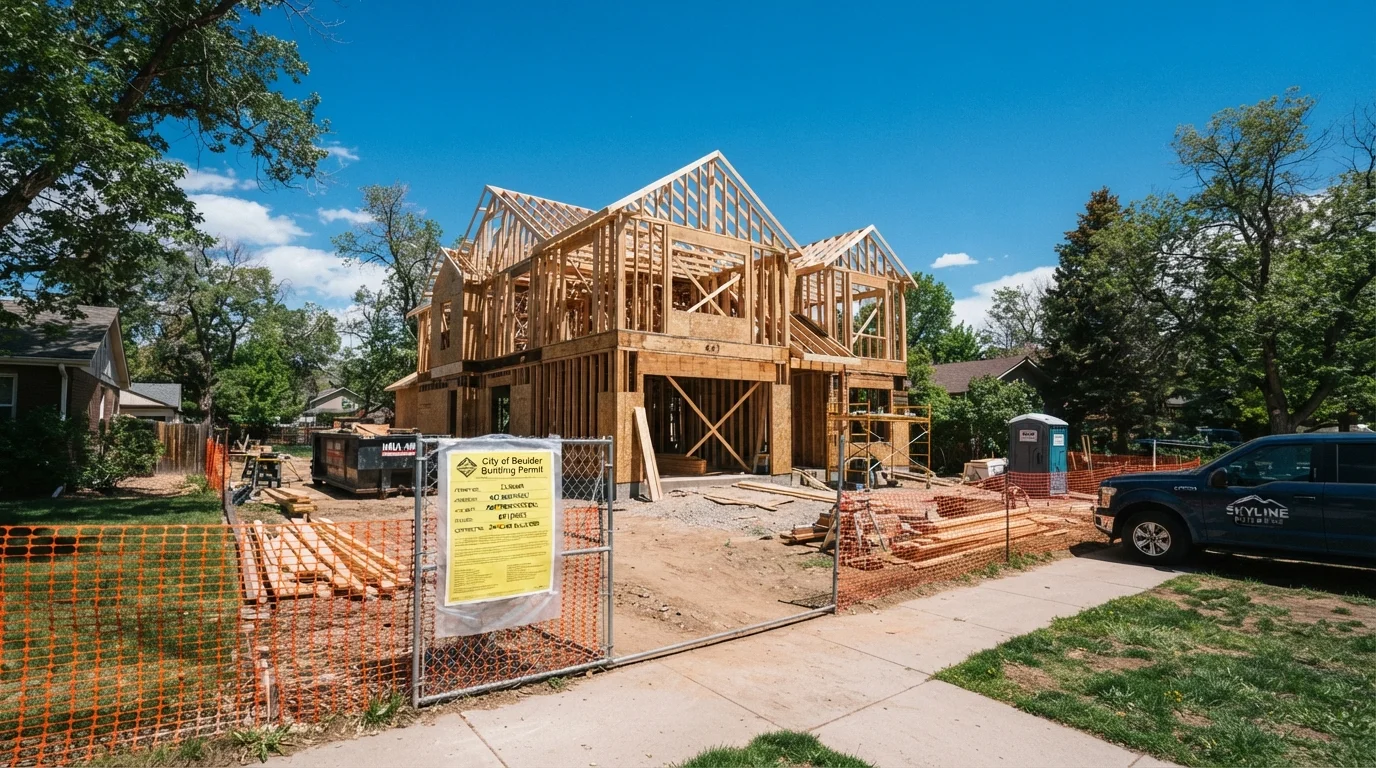
Some maintenance vocabulary is regulatory rather than physical. Building codes are minimum safety standards set by local or state governments governing how construction and systems must be installed and maintained. Permits are official approvals required before certain work begins - not just for renovations, but sometimes for significant repairs. If you're unsure whether a project requires one, learn what a building permit actually covers before starting.
A licensed contractor holds state-issued credentials verifying training and insurance. For electrical, gas, structural, and major plumbing work, hiring licensed professionals isn't just a best practice - it's typically required by code and important for your homeowner's insurance coverage. Always verify licenses and pull permits where required; unpermitted work can create complications when you sell or file a claim.
This article is for general informational and educational purposes only. Always consult qualified, licensed professionals before undertaking any home repair or improvement work, and verify local permit requirements with your municipal authority.