The Core Documents Every Traveler Needs
Whether you're taking a weekend road trip or boarding an international flight, a small set of documents forms the foundation of any safe, stress-free trip. Knowing which papers to carry — and where to keep them — is one of the most practical habits you can build.
Identification
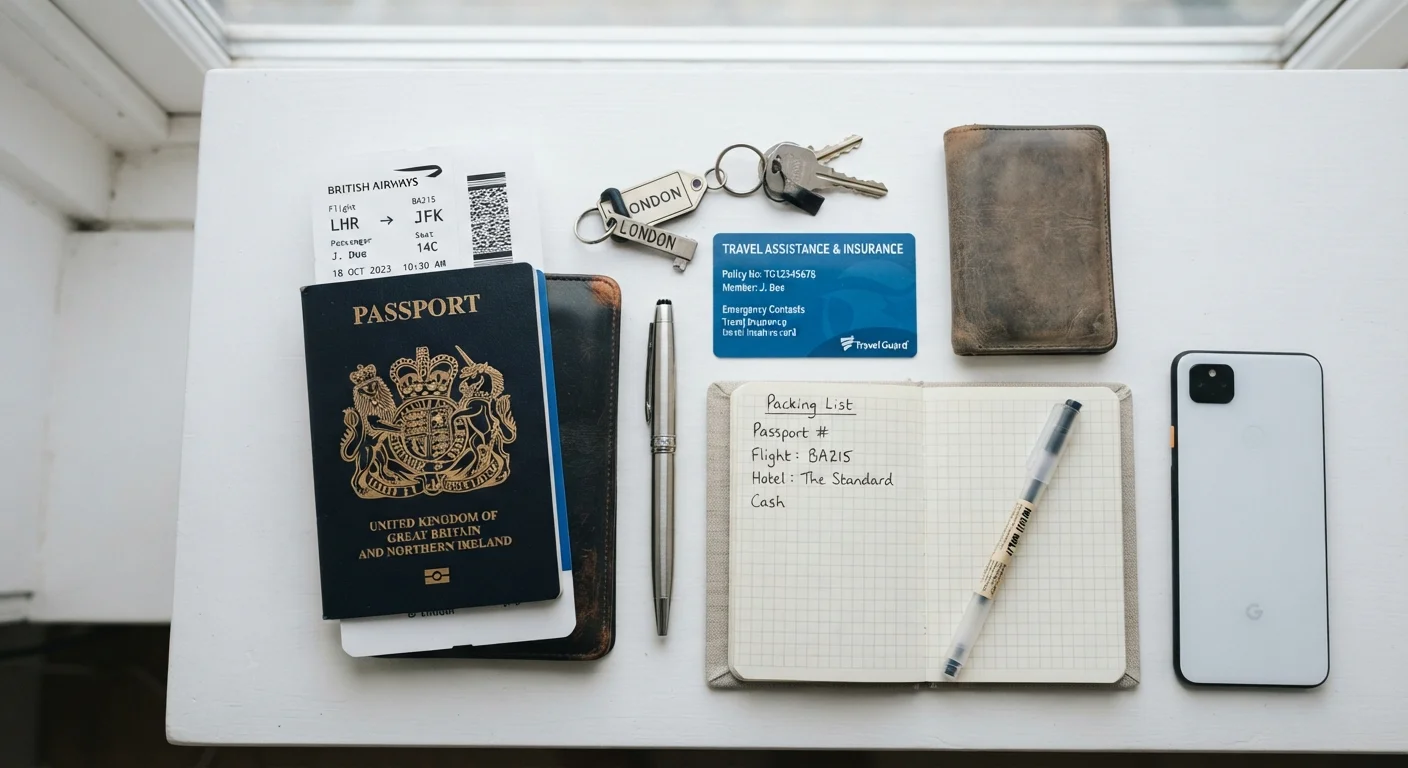
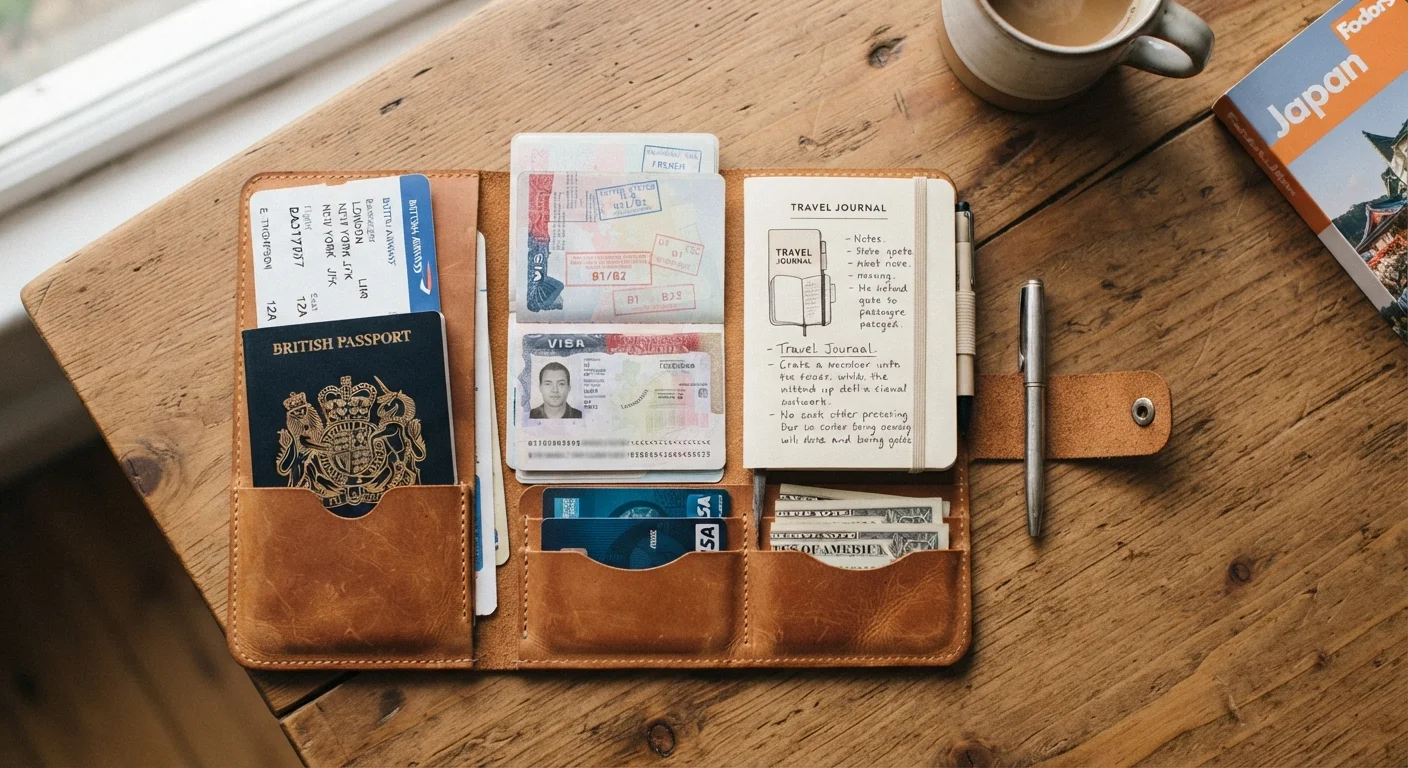
- Passport: Required for all international travel. U.S. passports are valid for 10 years for adults. Many countries require at least six months of remaining validity beyond your travel dates — verify entry requirements with official government sources before booking.
- Driver's license or state ID: Sufficient for domestic flights (TSA-compliant REAL ID required for domestic air travel by federal standards) and essential as a backup ID internationally.
- Visa documentation: If your destination requires a visa, carry the original approval letter or stamp, plus a printed or digital copy. Requirements vary widely; check the official embassy or consulate website for your destination country.
Trip-Specific Papers
- Flight and hotel confirmations: Screenshots or printed copies are useful when Wi-Fi is unavailable at customs or check-in.
- Travel insurance policy: Carry your policy number, the insurer's emergency line, and a summary of covered events. See our first international trip document checklist for a complete breakdown of what to gather.
- Vaccination or health records: Some destinations require proof of specific vaccinations. Verify requirements with official sources well in advance — requirements change. This is general travel information, not medical advice; consult a healthcare professional about your specific needs.
For strategies on storing and protecting all of these, see our guide on organizing your travel documents so nothing gets lost abroad.
Payment Methods and Financial Cards
Relying on a single card or cash reserve is one of the most common ways travelers end up stuck. A layered payment approach — backed by pre-trip preparation — keeps you covered if one method fails.
Cards to Carry
- Primary debit or bank card: Tied to your main checking account. Notify your bank of your travel dates and destinations to avoid automatic fraud blocks on legitimate charges.
- Backup credit card: Store this separately from your primary card. If one wallet is lost, you're not left without access to funds. Note that some cards charge foreign transaction fees — review your cardholder agreement before traveling internationally. This is general financial education, not personalized financial advice.
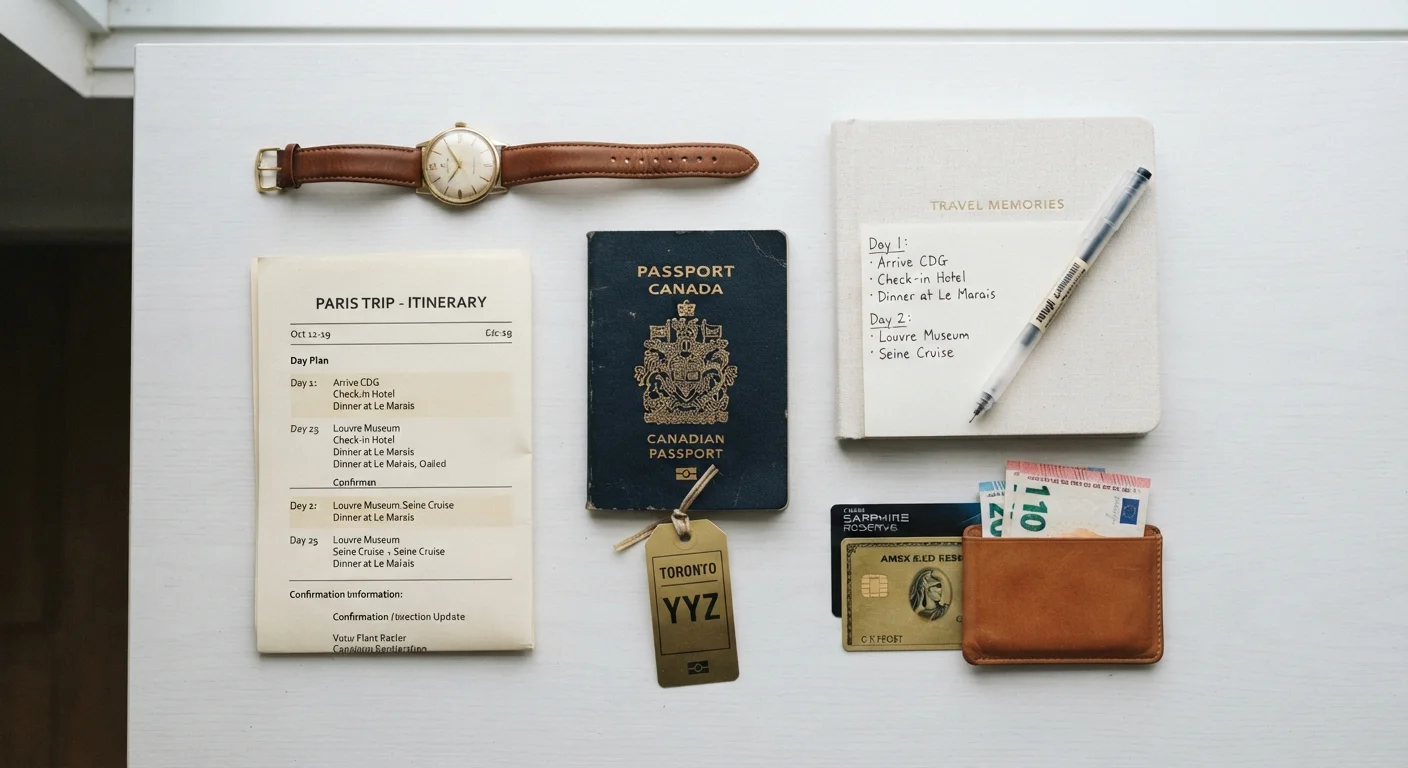
- Small amount of local currency: Useful for taxis, tips, or small vendors that don't accept cards. Exchange currency through established banks or airport exchange desks; verify rates through official or widely-used financial sources before exchanging.
Before You Leave Home
- Write down (and store separately from your wallet) the international customer service numbers for each card you're carrying.
- Know your card's daily ATM withdrawal limit — it may be lower abroad.
- Take a photo of both sides of every card in case you need to report a loss.
For a broader financial preparation framework, our pre-trip financial checklist for young American travelers covers fees, budgeting, and insurance in one place.
Emergency Contacts and Key Numbers
In an emergency, a charged phone with the right numbers saved is worth more than any app. Build a short contact list before departure and store it in at least two places — your phone and a written or printed backup.
Contacts to Have on Hand
- U.S. Embassy or Consulate at your destination: The U.S. Department of State's website (travel.state.gov) provides verified contact information for every country. In a genuine emergency — lost passport, arrest, serious illness — this is your first official call.
- Travel insurance emergency line: Separate from your claims number. This line typically connects you with coordinators who can arrange medical evacuation or direct payment to hospitals.
- Bank and card customer service (international lines): The number on the back of most cards works domestically; you'll need the international collect number found on your bank's website.
- A trusted person at home: Someone who knows your itinerary, has copies of your key documents, and can act on your behalf if needed. Share your accommodation addresses and flight details with them before you leave.
- Local emergency services number: 911 is U.S.-specific. Research the equivalent for your destination — many countries use 112 (EU standard), but local numbers vary.
If you're heading abroad for the first time, our guide on traveling internationally for the first time walks through entry requirements, currency, and what to do when things go wrong. You can also review the pre-departure habits experienced travelers rely on to make sure nothing falls through the cracks.
This article provides general travel information and education only. Always verify entry requirements, visa rules, health documentation, and emergency procedures with official government sources and qualified professionals before traveling. Financial information is general in nature and not personalized advice — consult a licensed professional for guidance suited to your individual situation.