Why Document Organization Is a Real Travel Skill
Most travel hiccups aren't dramatic — they're administrative. A misplaced visa approval letter, a booking confirmation buried in an inbox, or a passport photo that doesn't meet local requirements can cost hours or derail a connection entirely. Document organization isn't a bureaucratic chore; it's a practical skill that experienced travelers treat with the same attention as booking flights or packing.
The goal isn't to carry a binder of redundant paperwork. It's to know exactly what you have, where it lives, and how to recover if something goes wrong. Start with our reference list of essential travel documents to confirm you're working with a complete set before organizing anything.
The Physical Layer: What to Carry and Where
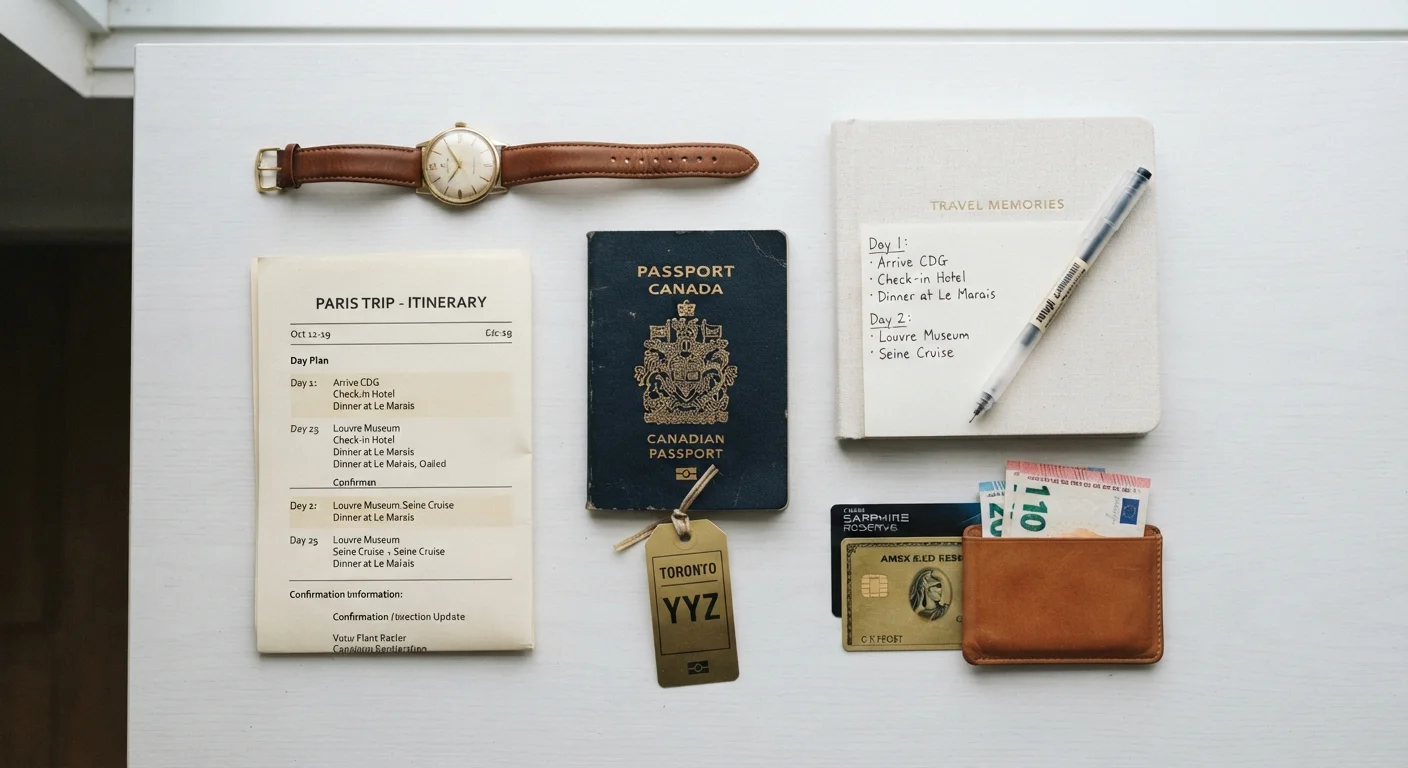
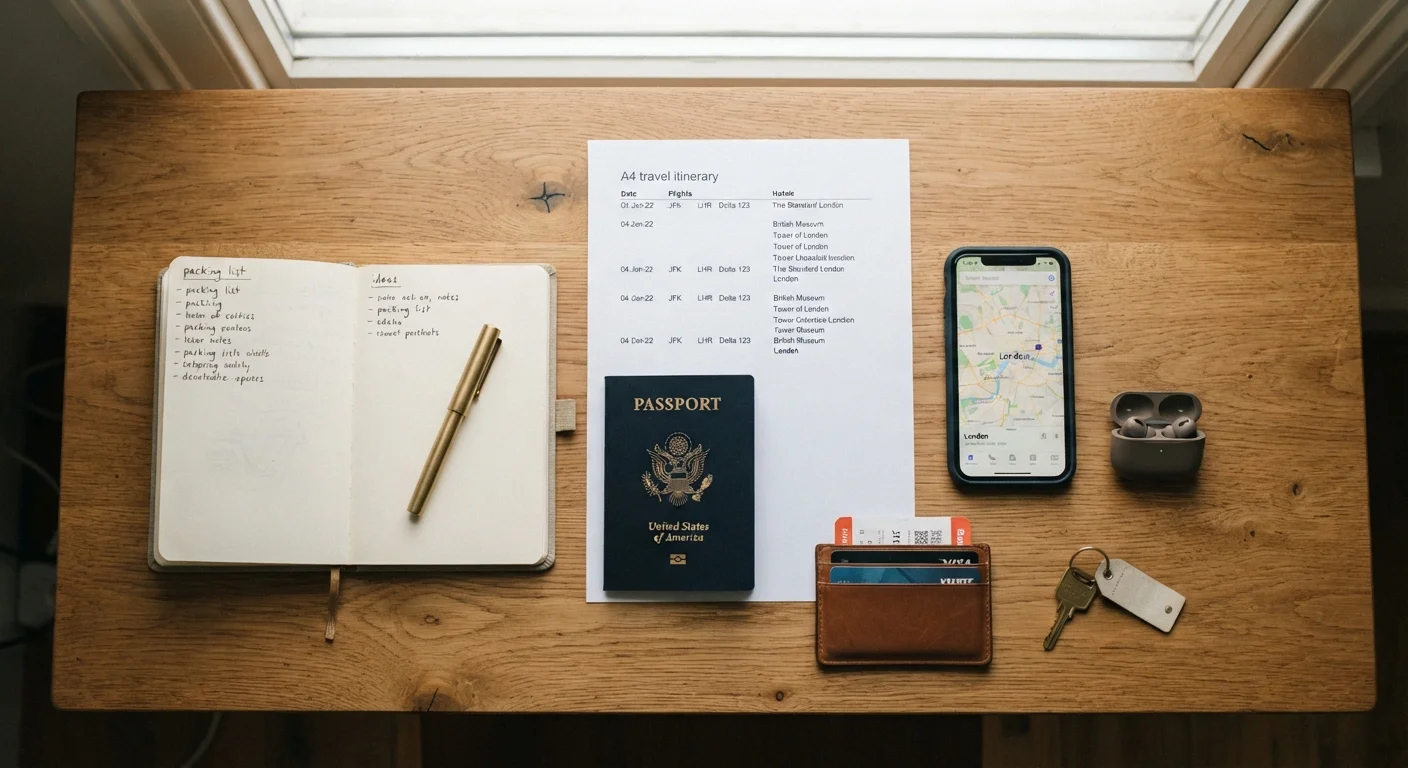
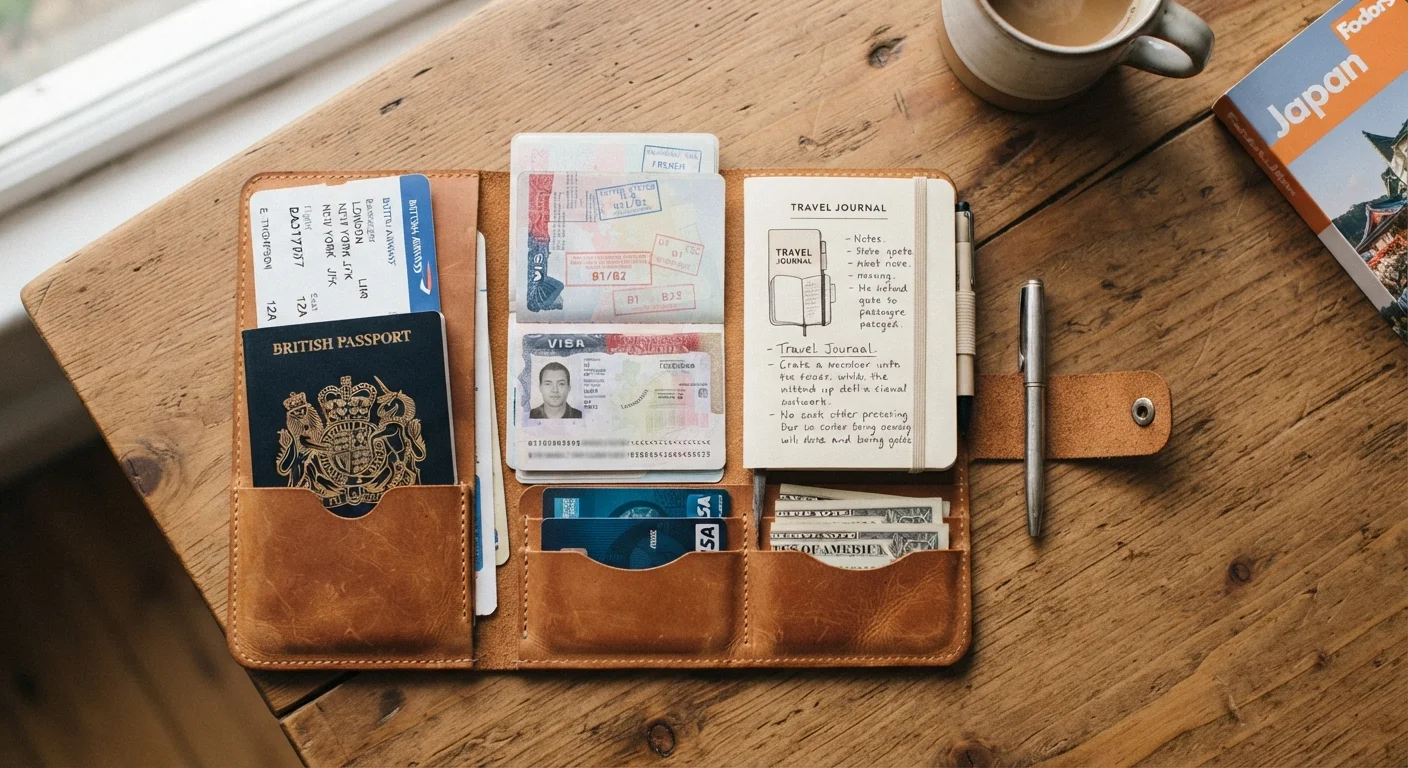
Your physical documents need a dedicated home — not a coat pocket, not the bottom of a backpack. A slim travel organizer or envelope wallet kept in your carry-on is the standard approach. The principle is simple: one place, always.
Separate originals from copies. Keep your actual passport in one secure location and a color photocopy in a different bag entirely. If your day bag is stolen, the copy in your hotel safe still gives you proof of identity. Hotels in many countries will also hold your passport briefly for registration — knowing this in advance prevents unnecessary alarm. For longer trips, the administrative considerations for extended travel go into considerably more detail on how documentation requirements shift over weeks or months abroad.
The Digital Layer: Backups That Actually Work
A photo on your phone isn't a reliable backup if the phone is lost or the battery dies at a border crossing. Effective digital backups require a cloud-based solution that is accessible from any device with internet — a dedicated folder in a personal cloud storage account works well for most travelers.
Scan or photograph both sides of every card and document: passport photo page, visa stamps, travel insurance card, international driving permit if applicable, and any paper tickets or vouchers. Name files clearly (e.g., passport-photo-page.pdf) so you can find them under stress. Avoid saving documents only in email threads — a searchable, organized folder is faster when you're standing at a check-in counter. Also share a copy with one trusted person at home. If your phone and bag disappear simultaneously, that person becomes your remote lifeline. For a broader pre-departure review, the pre-trip habits of experienced travelers covers this and other overlooked preparation steps.
Be careful about where you store sensitive documents digitally. Use accounts with strong, unique passwords and two-factor authentication. Avoid saving passport scans in public email drafts or unsecured notes apps.
What to Do When Something Goes Wrong
Even well-organized travelers lose documents. What separates a minor inconvenience from a genuine crisis is preparation. If your passport is lost or stolen abroad, the first step is reporting it — both to local police (which generates a report number you'll need) and to the nearest U.S. embassy or consulate. Understanding this process in advance removes one layer of panic in an already stressful moment. Our guide to handling a lost passport abroad walks through each step in detail.
It's also worth reviewing common misconceptions before you travel. Many people assume certain documents provide rights they don't actually confer. The travel document myths that can derail a trip is a useful read before your first international departure.
This article is for general informational purposes only. Entry requirements, document rules, and procedures vary by country and change over time. Always verify current requirements with official government sources and your destination country's embassy or consulate before traveling.