Why Document Myths Are Dangerous
Travel document errors are one of the most common — and most preventable — reasons people get turned away at borders or denied boarding. Unlike a missed restaurant reservation or a delayed connection, a documentation failure can end a trip before it begins, sometimes without a refund.
The myths below persist because they contain a kernel of plausibility. A boarding pass does represent a confirmed seat. A visa does represent government approval. But partial truths can mislead travelers into skipping verification steps that actually matter. Understanding exactly what each document does — and does not — guarantee will save you stress, money, and travel days.
For a broader look at how these misconceptions fit alongside other common travel missteps, see our article on travel myths that make first-time trips harder.
Myth
If I have a boarding pass, I'm cleared to enter the country.
Fact
A boarding pass confirms your seat on a flight — it says nothing about your right to enter the destination country.
Airlines issue boarding passes based on the information you provide at check-in. They will sometimes verify basic document requirements, but they are not immigration authorities. The final decision on whether you can enter a country rests entirely with border officers upon arrival. You can hold a valid boarding pass and still be refused entry if your passport, visa, or other required documents don't meet the destination's standards.
Myth
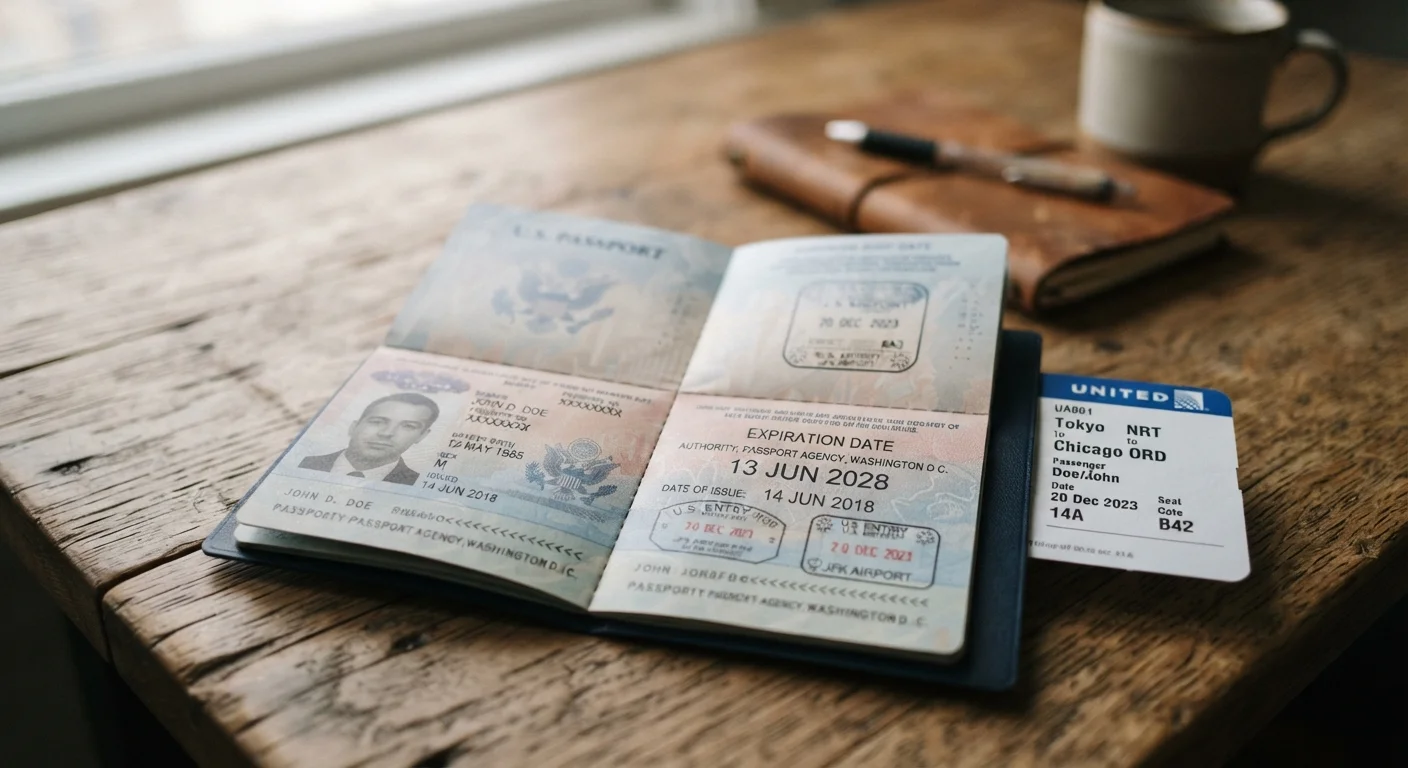
My passport is valid, so it's fine to travel on — no matter when it expires.
Fact
Most countries require your passport to remain valid for 3–6 months beyond your planned departure date, not just through your travel dates.
This is one of the most frequently overlooked documentation rules. A passport expiring two weeks after you return home may be perfectly legal in the U.S. but disqualifying at your destination's border. Some airlines will refuse to board passengers who don't meet the destination's validity window. Check the specific rule for every country on your itinerary — requirements vary and can apply even for short layovers. See our guide to passport validity rules for details by region.
Myth
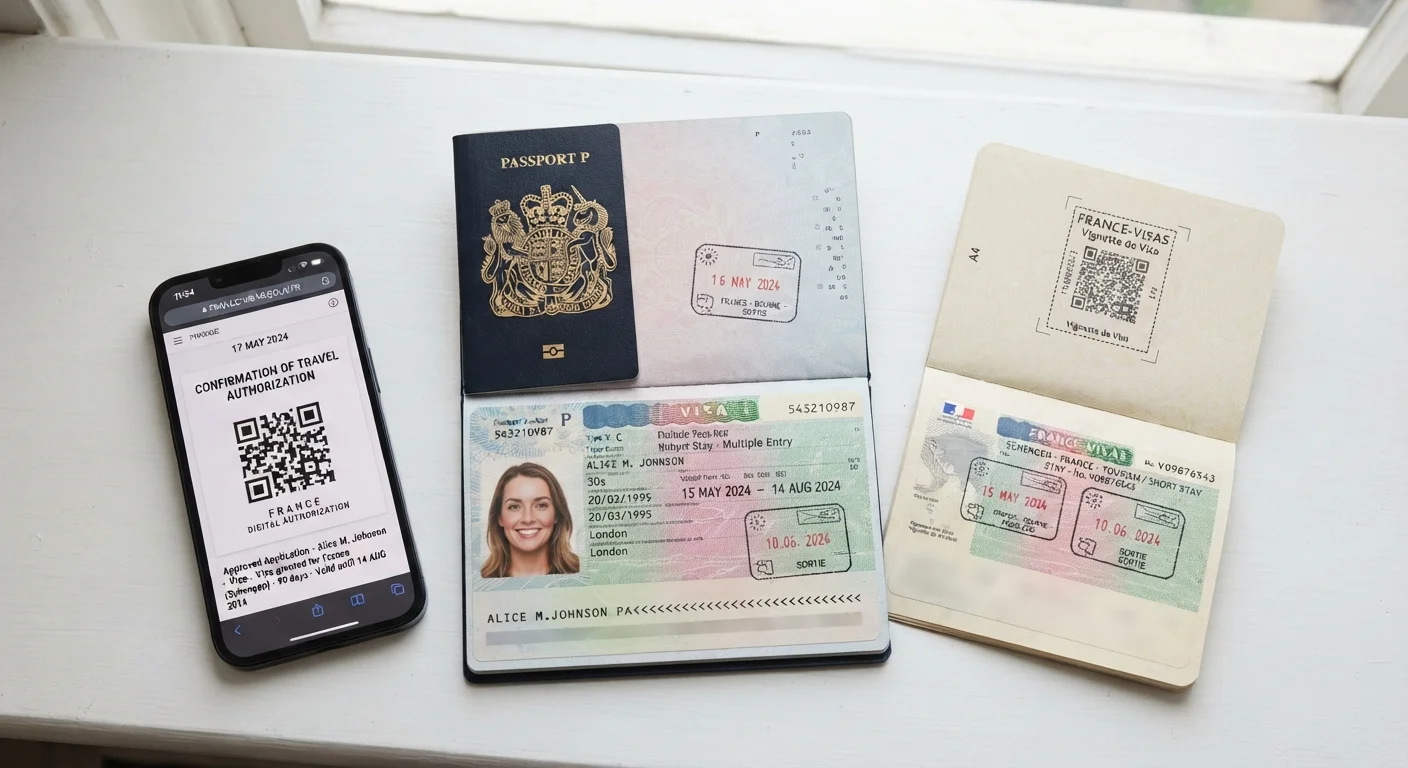
Visa-free access and visa-on-arrival mean the same thing.
Fact
These are two distinct entry categories with different eligibility requirements, processes, and limitations.
Visa-free access means you can enter a country without obtaining any visa beforehand — no application, no fee, no pre-approval required (though an Electronic Travel Authorization may still apply). Visa-on-arrival means you must obtain a visa, but you do so at the destination's port of entry rather than at a consulate in advance. Not all passport holders qualify for visa-on-arrival at every destination, fees and document requirements apply, and the process isn't always fast. Our article on how visa-on-arrival works explains eligibility and what to prepare.
Myth
Once a visa is approved, entry into the country is guaranteed.
Fact
A visa is permission to request entry — border officers retain full authority to deny admission even with a valid visa in hand.
A visa represents approval from a consulate or embassy, not a guarantee of admission. Upon arrival, immigration officers conduct their own assessment. They can ask about your purpose of travel, accommodations, finances, and ties to your home country. If their evaluation raises concerns — even with a valid visa — they have the authority to deny entry. This is why understanding what documentation to carry beyond the visa itself matters. Entry requirements often include proof of accommodation and return travel.
Myth
A photo of my passport on my phone is good enough if the original is lost.
Fact
Digital photos of your passport are useful for reference but are not accepted as primary identification by most border authorities or airlines.
Digital copies have real value — they help you report a loss, speed up emergency passport replacement, and confirm your document number in a crisis. However, they are almost universally insufficient as a substitute for a physical passport at immigration checkpoints. If your passport is lost or stolen abroad, contact the nearest U.S. Embassy or Consulate immediately for emergency travel documentation. Storing encrypted digital backups and keeping a physical photocopy in a separate bag is a smart practice, but neither replaces your actual passport. See how to organize your travel documents for backup strategies that actually work.
Myth
If your passport is damaged but still readable, you can travel on it without issue.
Fact
Significant damage — including water damage, torn pages, or a detached cover — can lead to a boarding denial or refused entry, even if the data page is legible.
Airlines and border officers assess passport condition as part of document validation. A passport that has been washed, chewed, significantly bent, or had its chip damaged may be deemed invalid regardless of whether you can still read the personal information page. U.S. Customs and Border Protection considers a passport mutilated if it has been altered or damaged in a way that impairs its usefulness as a travel document. If there's any doubt about your passport's condition, apply for a replacement before your trip. Our guide on renewing vs. replacing a U.S. passport clarifies which application process applies in your situation.
What to Verify Before You Travel
The most reliable defense against document problems is verification through official sources — not travel forums, not airline staff, and not well-meaning friends who traveled to the same country years ago. Entry rules change regularly, and advice that was accurate 18 months ago may no longer apply.
Don't Rely on Secondhand Entry Advice
Entry requirements, visa rules, and even acceptable passport conditions change without widely publicized notice. A friend's experience from two years ago, a travel blog post, or airline staff at check-in are not authoritative sources. Always verify current requirements directly through the destination country's official immigration authority or the U.S. Department of State's travel portal at travel.state.gov before departing.
For every international trip, confirm the following directly with the destination country's immigration authority or your government's travel portal:
- Passport validity: Check whether your destination requires validity beyond your return date. Our guide to passport validity rules explains which countries enforce a 3–6 month buffer and how to check your expiration timeline.
- Visa or travel authorization type: Understand whether you need a traditional visa, an electronic travel authorization (ETA), or nothing at all. These are meaningfully different — see the difference between a visa and a travel authorization for a clear breakdown.
- Proof of onward travel or finances: Some countries ask for evidence that you plan to leave and can support yourself financially. Entry requirements go further than many travelers expect.
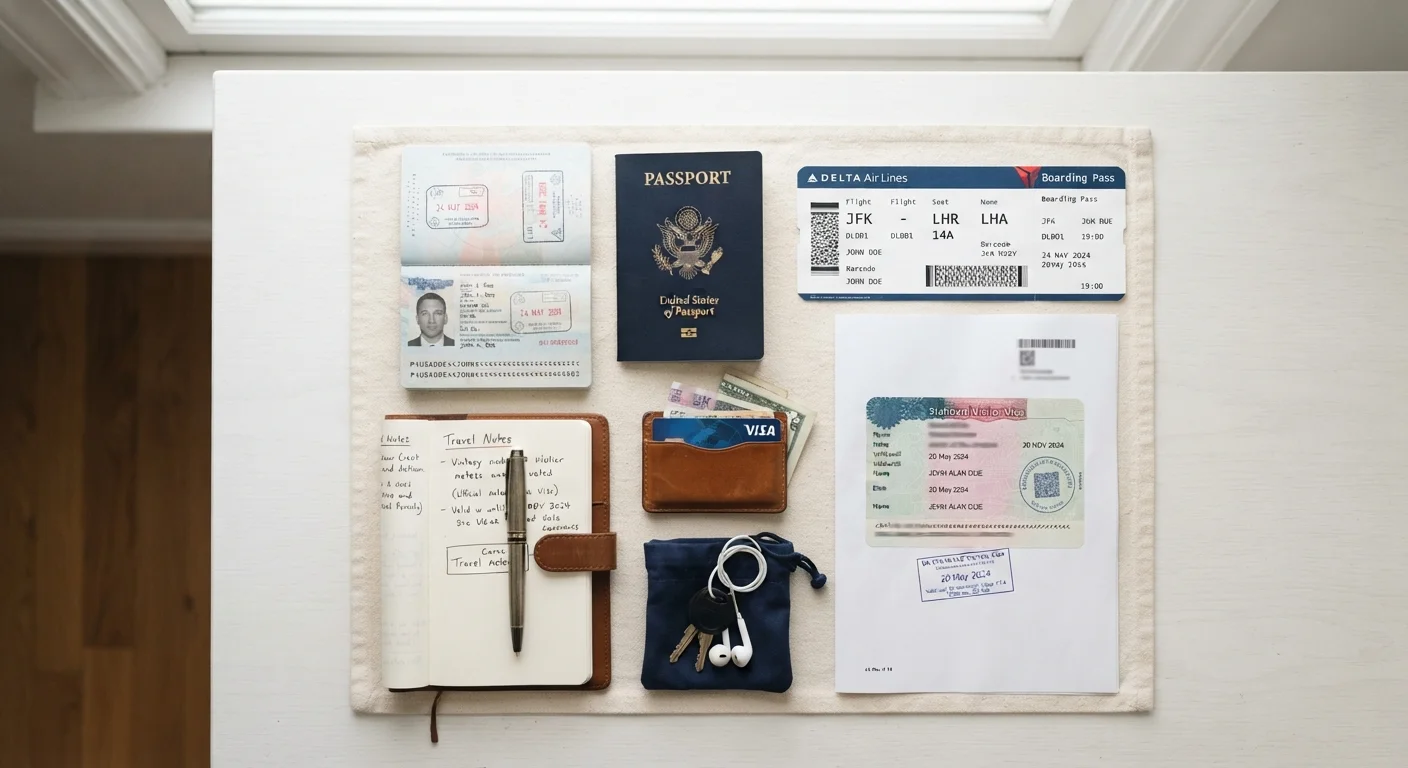
Once your documents are confirmed, protect them. Organizing your travel documents with both physical and digital backups gives you a safety net if originals are lost or stolen abroad.
This article provides general travel information for educational purposes. Entry requirements, visa rules, and border policies change frequently. Always verify current requirements with official government sources — including the destination country's immigration authority and the U.S. Department of State — before traveling.