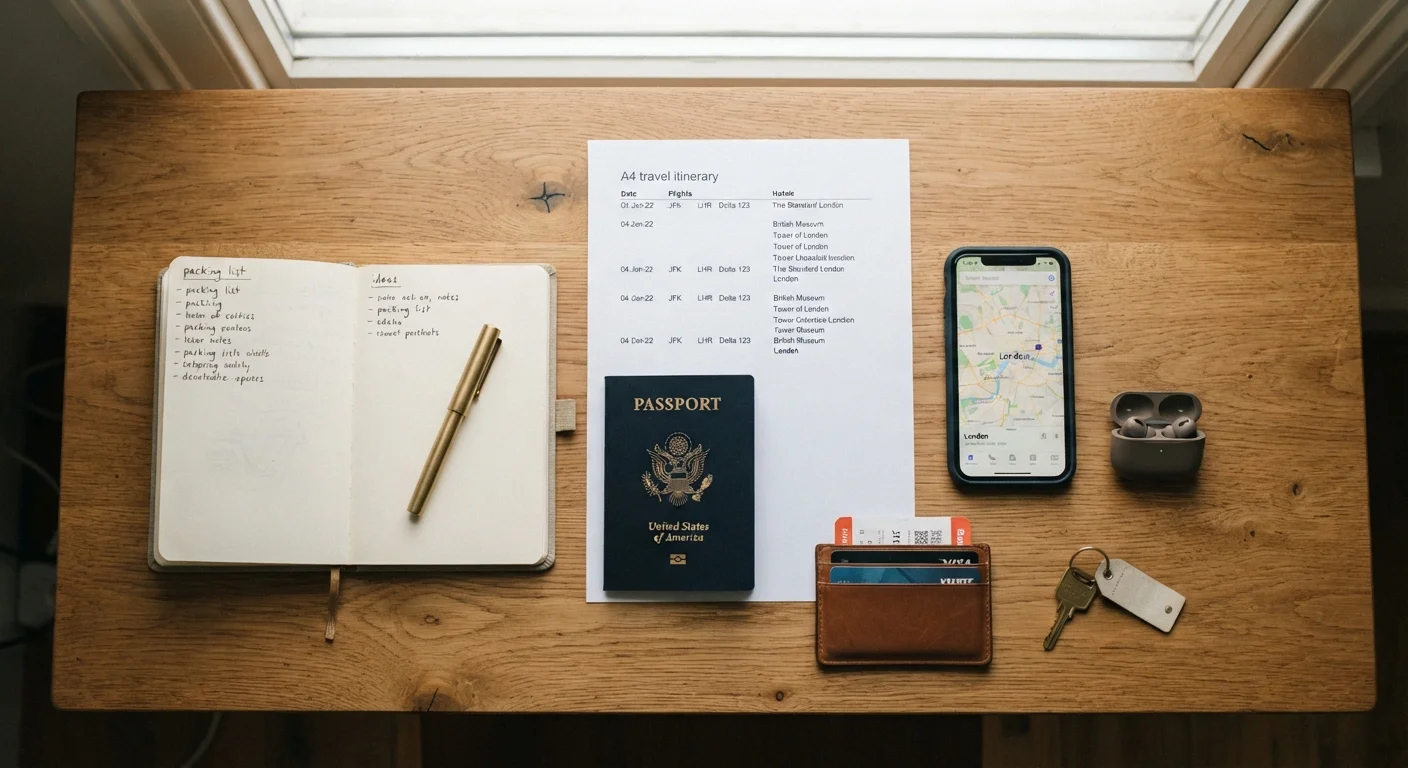

Why Travel Myths Stick Around
First-time travelers are information-hungry, and the internet is full of confident advice that sounds plausible but doesn't survive scrutiny. Some myths are harmless; others add real cost, stress, or missed opportunity to what should be an exciting trip. Before you plan your next journey, it's worth separating genuine strategy from recycled folklore.
This article tackles the most persistent planning misconceptions — so you can spend less time second-guessing your choices and more time actually enjoying the destination. For a broader look at where first-time budgets typically break down, see our guide on why trip budgets fall apart before you leave.
Myth
Browsing flights in incognito mode gets you lower prices because airlines track your searches and raise fares.
Fact
Airfare pricing is driven by seat inventory and demand algorithms, not by tracking individual browsers.
The incognito myth is one of the most widely shared pieces of travel advice online — and one of the least supported by evidence. Airlines and booking platforms use dynamic pricing tied to how many seats remain in a given fare class, not to whether you've searched that route before. Clearing cookies or going incognito may occasionally show slightly different cached results, but there's no reliable, reproducible evidence that it produces meaningfully lower fares. A better approach: use fare alert tools, search with flexible dates, and check a few platforms — including airline websites directly — over a period of weeks.
Myth
You should always pack extra clothes and supplies 'just in case' — it's better to have too much than too little.
Fact
Overpacking adds checked baggage fees, physical strain, and decision fatigue without meaningfully reducing risk.
The fear behind overpacking is understandable: what if you need something you didn't bring? In practice, most destinations — even remote ones — have pharmacies, grocery stores, or shops where forgotten basics can be replaced cheaply. Overpacking, by contrast, creates real costs: checked bag fees on budget carriers, heavier bags to carry between transit connections, and wasted time rummaging through things you never used. A useful discipline is to lay out everything you plan to pack, then remove roughly a third of it. Most experienced travelers report they still don't use everything that remains.
Myth
Third-party booking sites always offer better deals than booking directly with airlines or hotels.
Fact
Direct booking often matches or beats third-party prices, and typically comes with better customer service when things go wrong.
Third-party platforms aggregate options conveniently, but they don't always win on price — and they can complicate matters when you need to change or cancel a reservation. Hotels frequently offer price-match guarantees, loyalty points, or room upgrades to guests who book directly. Airlines, similarly, often handle rebooking more smoothly when the ticket was purchased through them. It's worth comparing both, but don't assume the aggregator is always cheaper. Also read cancellation terms carefully on any platform before confirming — policies vary significantly.
Myth
Travel insurance is an unnecessary expense for a short domestic or international trip.
Fact
Travel insurance covers trip cancellations, emergency medical costs, and lost luggage — expenses that can far exceed the policy cost.
Many first-time travelers skip travel insurance to save money upfront, reasoning that nothing will go wrong on a short trip. But the categories travel insurance covers — sudden illness, injury requiring evacuation, canceled flights, lost or stolen baggage — are precisely the events that cost the most when they happen unexpectedly. An emergency medical situation abroad can result in bills that dwarf the entire trip cost. Review what your existing health insurance covers internationally before traveling, and consider what level of financial risk you're comfortable carrying. For entry- and documentation-related concerns, see our guide on travel document myths that could derail your trip.
Myth
Planning every hour of your trip ensures you get the most out of the destination.
Fact
Over-scheduled itineraries are one of the most common sources of post-trip regret among first-time travelers.
There's a difference between a well-organized trip and an exhausting one. When every hour is committed to a specific activity, there's no buffer for delays, spontaneous detours, or simply sitting somewhere pleasant longer than expected. Research consistently shows that rest and unscheduled time improve how people experience and remember travel. A practical rule of thumb: plan anchor activities for each day — one or two commitments that require a reservation or specific timing — and leave the rest open. This also connects to broader cost considerations; slow travel vs. packed itineraries explores how pacing choices affect your total spend.
What Smart Planning Actually Looks Like
Correcting these myths points toward a clearer planning framework. Flights don't need obsessive monitoring — setting a fare alert through your preferred search tool and checking a few times over several weeks is usually sufficient. Packing light means thinking in terms of outfits and function, not worst-case scenarios.
~30%
Average carry-on baggage overage reported by first-time travelers
Travel surveys consistently find that first-time travelers pack significantly more than they use, with many reporting they wore fewer than two-thirds of the clothing they brought.
Up to $50+
Checked bag fee per flight on budget U.S. carriers
Many U.S. budget airlines charge per-leg checked baggage fees that can add $100 or more to a round-trip ticket — costs that a carry-on-only packing strategy eliminates.
Itinerary-wise, building in unscheduled time isn't lazy planning — it's how you leave room for the unexpected moments that often become trip highlights. Our guide to building a travel itinerary that doesn't exhaust you walks through a practical day-by-day approach.
Before departure, it's also worth reviewing the habits that experienced travelers rely on. From confirming entry requirements to registering with your embassy, these steps are easy to skip but genuinely reduce surprises — see what experienced travelers do before every trip for a full checklist.
Verify Entry Requirements Directly With Official Sources
Visa rules, vaccination requirements, and passport validity thresholds change — and blog posts or forum advice may be outdated. Always check the official government travel portal for your destination country and your own country's foreign affairs department before departure. Relying on secondhand information for entry requirements is one of the most preventable causes of denied boarding or entry refusal.
Finally, if cost is your main concern, don't let misconceptions about budget travel keep you sidelined. Many of those beliefs are addressed directly in our piece on budget travel myths that are keeping you home. Understanding the real cost of a trip — including transfers, fees, and tips — is a better use of your energy than chasing incognito-mode savings that may not exist.