
Why Budget Travel Myths Are Worth Challenging
Budget travel has a reputation problem. For many young Americans, the phrase conjures images of lumpy hostel beds, 14-hour layovers, and eating convenience store food for every meal. That mental image — not the actual cost of travel — is often what keeps people home.
The truth is that most of what people believe about budget travel is either outdated, exaggerated, or just wrong. These misconceptions function as invisible barriers: they convince people that affordable travel isn't possible for them specifically, when in reality, the biggest obstacle is misinformation. Understanding what's actually true is the first step to planning a trip you can genuinely afford.
Before diving into the myths, it helps to recognize that budget travel isn't a personality type or a lifestyle reserved for certain people. It's simply the practice of spending on travel with clear intention. You can read more about how those decisions stack up in The Trade-Offs Behind Every Budget Travel Decision.
Myth
Budget travel is only for young backpackers or people with no responsibilities.
Fact
Budget travel is a set of financial habits, not a demographic. Anyone planning a trip can apply them.
The backpacker stereotype persists, but it describes a travel style — not the only way to travel affordably. Families, couples, and professionals routinely travel on tightly managed budgets by prioritizing spending on what matters most to them and cutting costs elsewhere. The core skills — tracking expenses, comparing options, building a travel savings fund — apply to any traveler regardless of age or lifestyle.
Myth
You need a large lump sum saved before you can even think about booking a trip.
Fact
Most affordable trips are built incrementally through consistent, small savings over time — not a single windfall.
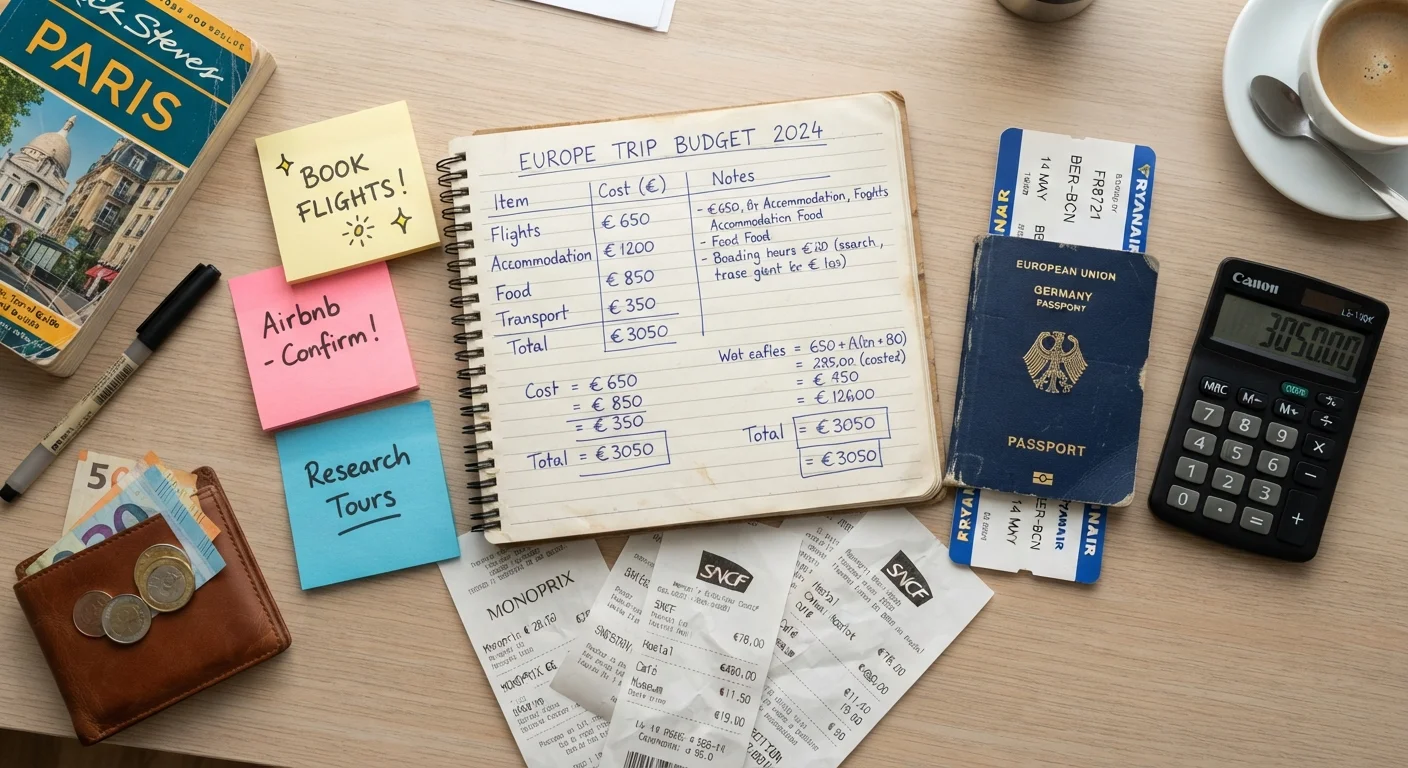
Waiting until you have "enough" is one of the most common reasons people never travel at all. A more practical approach is to define a realistic trip cost, break it into monthly savings targets, and treat travel savings like any other recurring expense. Many trips that seem expensive in total become very manageable when the cost is distributed over six to twelve months of deliberate saving. Common savings myths often reinforce the belief that saving is only possible at higher income levels — which the evidence doesn't support.
Myth
Flying cheap always means miserable connections and unreliable service.
Fact
Lower-fare flights involve trade-offs, but those trade-offs are predictable and often manageable with planning.
Lower fares frequently come with longer layovers, fewer amenities, or less flexible change policies. These are real trade-offs — not myths. But they're also predictable ones you can plan around. A longer layover at a well-connected airport is very different from a missed connection. Understanding exactly what a lower fare includes (and excludes) before booking lets you make an informed decision rather than an unpleasant surprise. Always verify baggage fees, change policies, and seat selection costs, as these can significantly close the gap between a "cheap" and a standard fare.
Myth
Budget accommodations are unsafe or too uncomfortable to be worth it.
Fact
Accommodation cost and quality exist on a spectrum; affordable options range from highly rated guesthouses to home-sharing arrangements that suit many travelers.
"Budget accommodation" covers an enormous range of options, many of which score highly on cleanliness and safety. Traveler review platforms allow you to filter by specific criteria — not just price — making it far easier than in previous decades to find affordable lodging that meets your actual standards. The more important variable is often location: a modestly priced room in a walkable, well-connected neighborhood can deliver more value than a pricier room that requires significant daily transportation spending.
Myth
Traveling on a budget means skipping the experiences that make a trip worthwhile.
Fact
Many of the most memorable travel experiences — local markets, public parks, cultural neighborhoods, and free museums — cost little or nothing.
Budget constraints force a kind of intentionality that expensive, fully packaged trips don't. When travelers have to choose what to prioritize, they often end up skipping generic tourist traps and spending time on things that are genuinely meaningful to them. Free and low-cost cultural experiences — street food, public festivals, neighborhood exploration, national parks — are frequently rated by travelers as among their most vivid memories. The idea that a high spend equals a high-quality trip is not well supported by how people actually describe their experiences afterward.
Myth
You can figure out the budget once you get there.
Fact
Unplanned travel spending is one of the most reliable ways to return home with debt or regret.
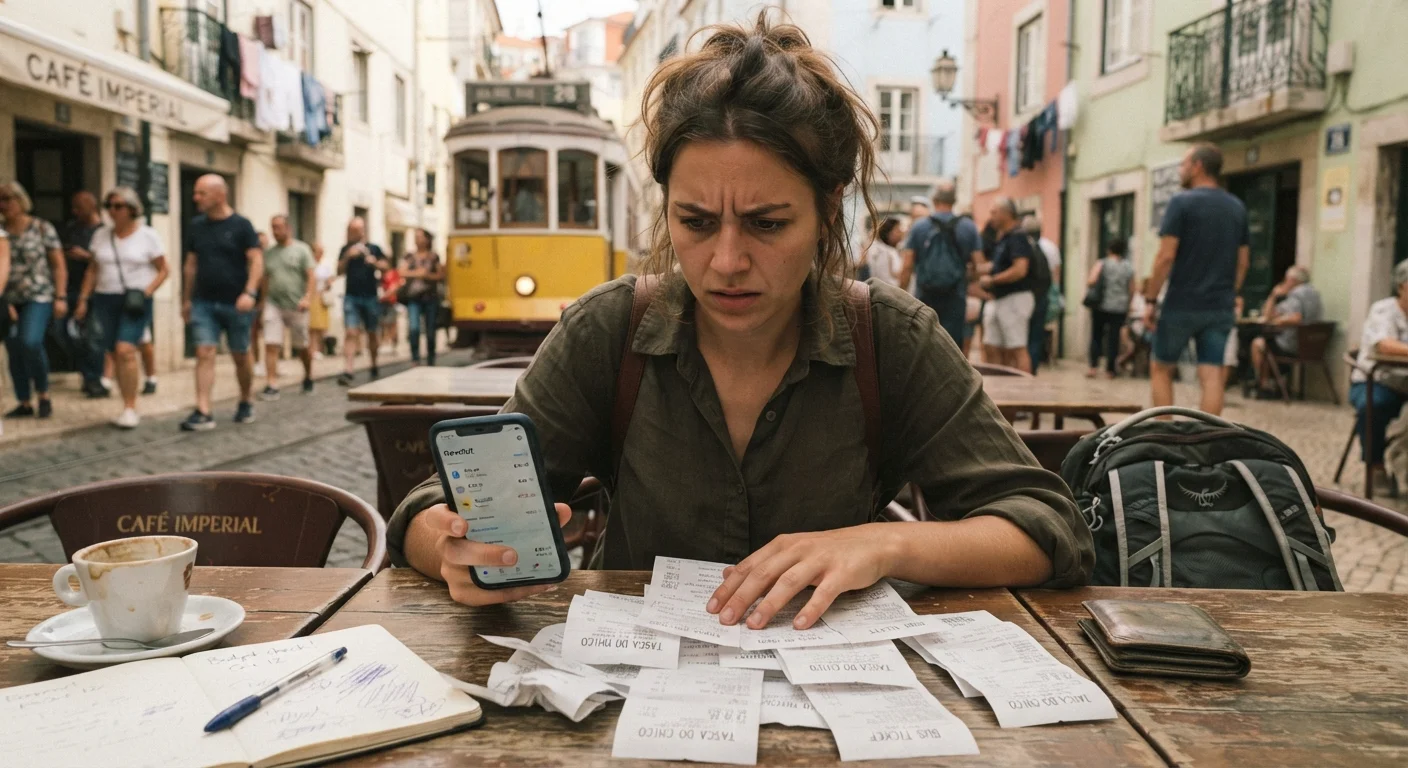
Spontaneity has real appeal, but financial spontaneity on a trip rarely ends well. Without a working daily budget, travelers tend to underestimate cumulative small costs — meals, local transit, entry fees, tips — that add up quickly. Identifying a realistic daily spending ceiling before departure, and checking against it regularly while traveling, is a straightforward habit that prevents most mid-trip budget failures. This doesn't require rigid tracking of every cent, but it does require knowing roughly what you're working with each day.
What Budget Travel Actually Requires
Dismantling these myths points toward something more useful: a realistic picture of what budget travel does require. It requires planning ahead — specifically, understanding which costs are genuinely controllable and which aren't. Many first-time travelers are surprised to learn how many categories they simply forgot to account for. That's covered in detail in our article on why trip budgets fall apart before you leave.
Don't Mistake Low Cost for No Planning
Budget travel still requires a detailed financial plan — arguably more so than higher-spend trips, because there's less financial cushion for unexpected costs. Before you book, account for currency conversion, travel insurance, visa fees where applicable, and an emergency reserve. Skipping these categories is one of the most consistent reasons budget trips exceed their intended spend.
Budget travel also requires monitoring spending once you're actually on the road. Even a well-planned budget can unravel from a few unchecked impulse decisions — a pattern explored in depth in why travel budgets fall apart mid-trip.
Most importantly, budget travel is built on the same habits that underpin any form of sound personal finance: tracking what you spend, setting realistic targets, and distinguishing wants from needs. If those habits aren't yet in place at home, frameworks from Budgeting Basics and the Saving & Goals hub can help build that foundation before your first trip.
The goal isn't to spend as little as possible. It's to spend what you actually have — thoughtfully, without regret, and without debt that follows you home.