Why Pre-Trip Habits Matter More Than You Think
Experienced travelers aren't necessarily smarter — they've just learned, often the hard way, that a few hours of preparation before departure prevents days of headaches abroad. Entry denied at the border, a frozen bank card in a foreign city, a lost passport with no backup — these are avoidable problems. The habits below form a repeatable pre-departure checklist that works whether you're heading to Europe for two weeks or Mexico for a long weekend.
For a deeper look at the paperwork side of travel, the Logistics & Documents hub covers everything from visas to insurance in one place.
Documents, Validity, and Entry Requirements
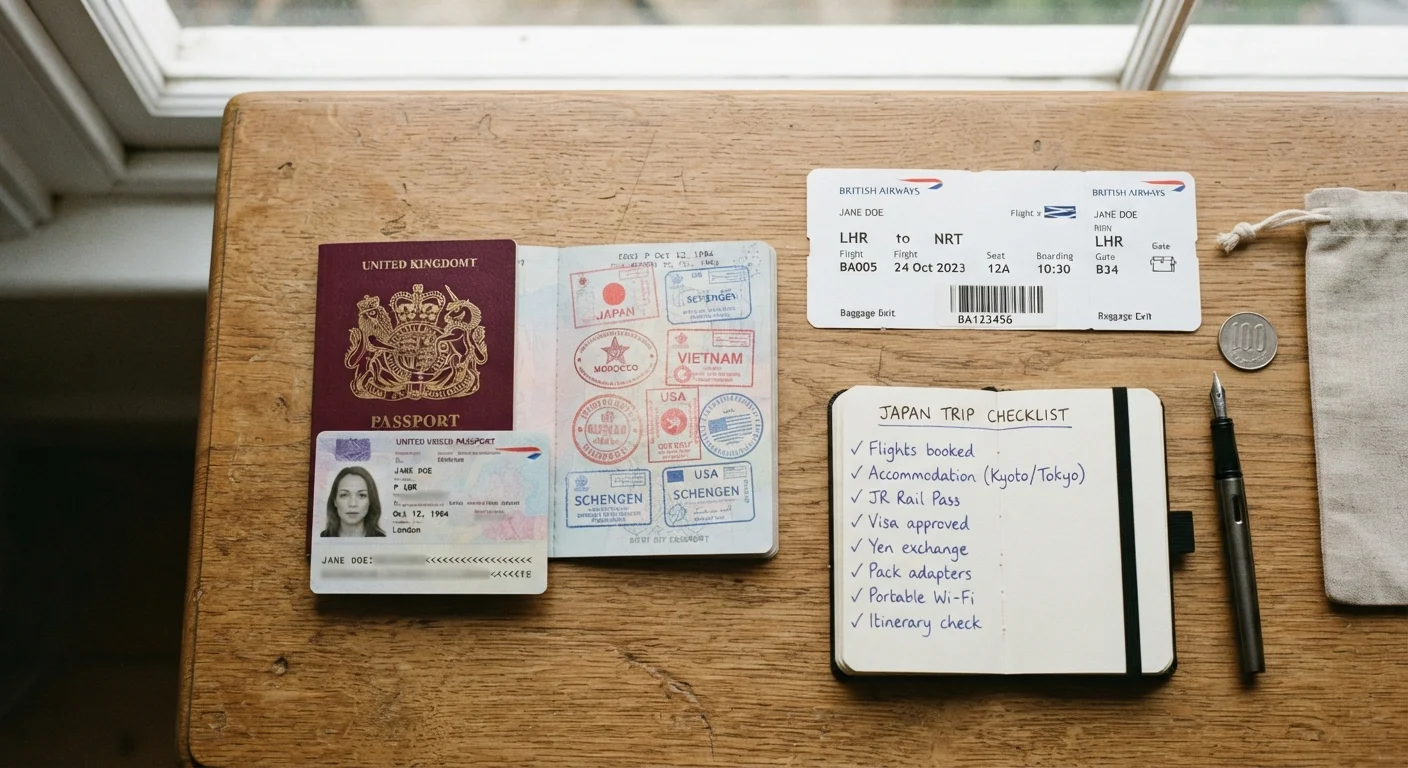
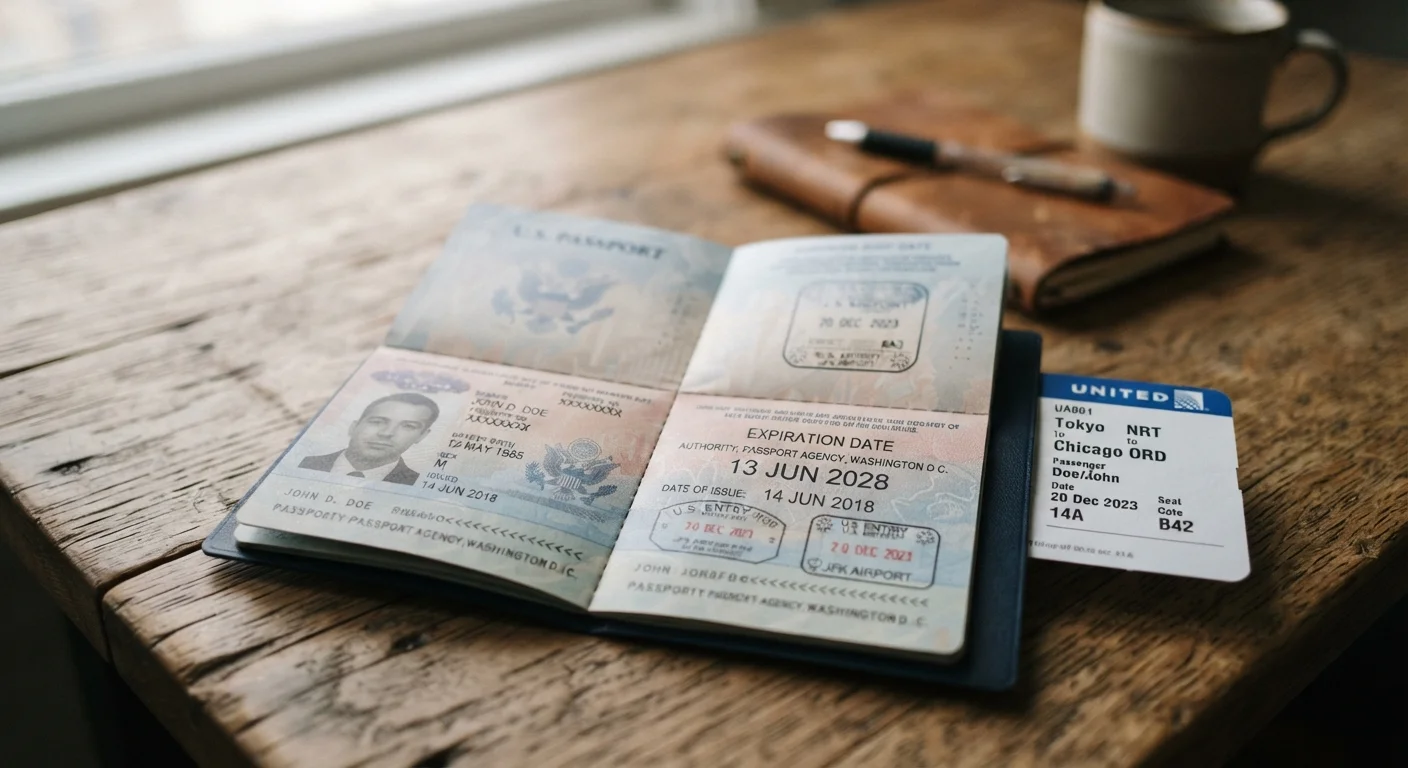
This is where most travelers make assumptions they shouldn't. A valid passport isn't always enough — many countries require six months of validity beyond your travel dates, and a passport that expires three months after your return flight can get you turned away at the gate.
Check your passport's expiration date and any destination-specific validity requirements at least 60 days before departure.
Many countries enforce a six-month passport validity rule beyond your planned departure date. Discovering this too late can mean an expensive rush renewal or a cancelled trip.
Verify entry requirements — including visa needs, health documentation, and proof of onward travel — through official government sources.
Entry requirements change and vary significantly by destination and nationality. Relying on travel blogs or outdated forums risks missing a mandatory form or vaccination record.
Notify your bank and credit card issuers of your travel dates and destinations before you leave.
Fraud detection algorithms can flag foreign transactions as suspicious and freeze your account without warning, leaving you without card access in an unfamiliar place.
Enroll your trip in the U.S. State Department's Smart Traveler Enrollment Program (STEP) for international travel.
STEP connects you to the nearest U.S. Embassy or Consulate, ensuring you receive destination-specific safety alerts and that authorities can reach your emergency contacts if needed.
Create both digital and physical backup copies of all critical travel documents.
Losing a passport or having a bag stolen is stressful enough — doing so without any documentation makes it exponentially harder to get assistance or replacement documents.
Confirm all reservations directly with providers 48 to 72 hours before departure.
Booking errors, cancellations, or system failures occasionally go uncommunicated to travelers. A proactive confirmation call or email creates a fresh paper trail.
Entry requirements go well beyond a passport. Health declarations, proof of onward travel, and financial proof are increasingly common. Review our guide on what destinations actually ask for before finalizing any international trip. And if you're unsure whether your passport has enough validity, passport validity rules that catch travelers off guard breaks down the specifics by region.
Financial and Insurance Prep
A frozen card abroad is more than an inconvenience — it can strand you without access to funds for hours. Calling your bank or credit union before departure to flag travel dates is one of the simplest, highest-impact things you can do. Equally important: understanding your travel insurance coverage before you need it, not after.
For a structured walkthrough, the pre-trip financial checklist for young American travelers covers foreign transaction fees, emergency cash access, and insurance verification in one place. General budgeting strategies are also addressed in the Travel Budgeting hub.
Note: This article provides general travel information and is not personalized financial advice. Consult a qualified financial professional for decisions specific to your situation.
Safety Registration, Copies, and Final Confirmations
The U.S. Department of State operates a free service called the Smart Traveler Enrollment Program (STEP), which allows Americans traveling or living abroad to register their trip with the nearest U.S. Embassy or Consulate. Enrollment means you receive safety alerts for your destination and makes it easier for the Embassy to contact you or your emergency contacts in a crisis. It takes minutes and costs nothing.
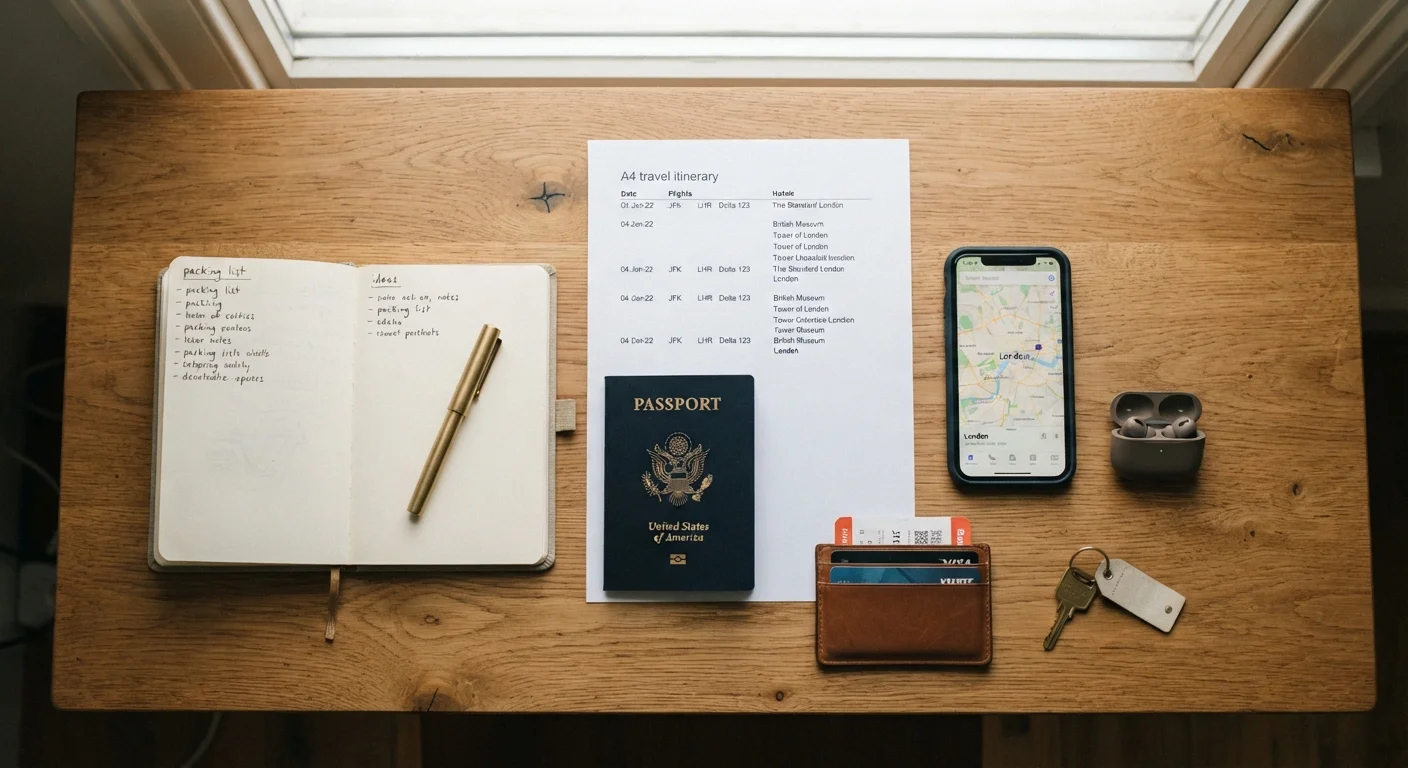
Equally essential: make both digital and physical copies of your passport, travel insurance policy, accommodation confirmations, and any visas. Store digital copies in a secure cloud location and leave physical copies with a trusted contact at home. Our reference guide on documents, cards, and contacts every traveler should have ready walks through exactly what to copy and where to keep it.
Finally, 48 to 72 hours before departure, confirm all bookings — flights, accommodation, transportation — directly with providers. Reservation systems occasionally lose records, and catching a discrepancy while you're still home is far easier than disputing it from an airport kiosk.
If you're building out a day-by-day plan, building a travel itinerary that doesn't exhaust you offers practical guidance on pacing your trip so it stays enjoyable rather than draining.