Beyond the Passport: What Countries Are Really Checking
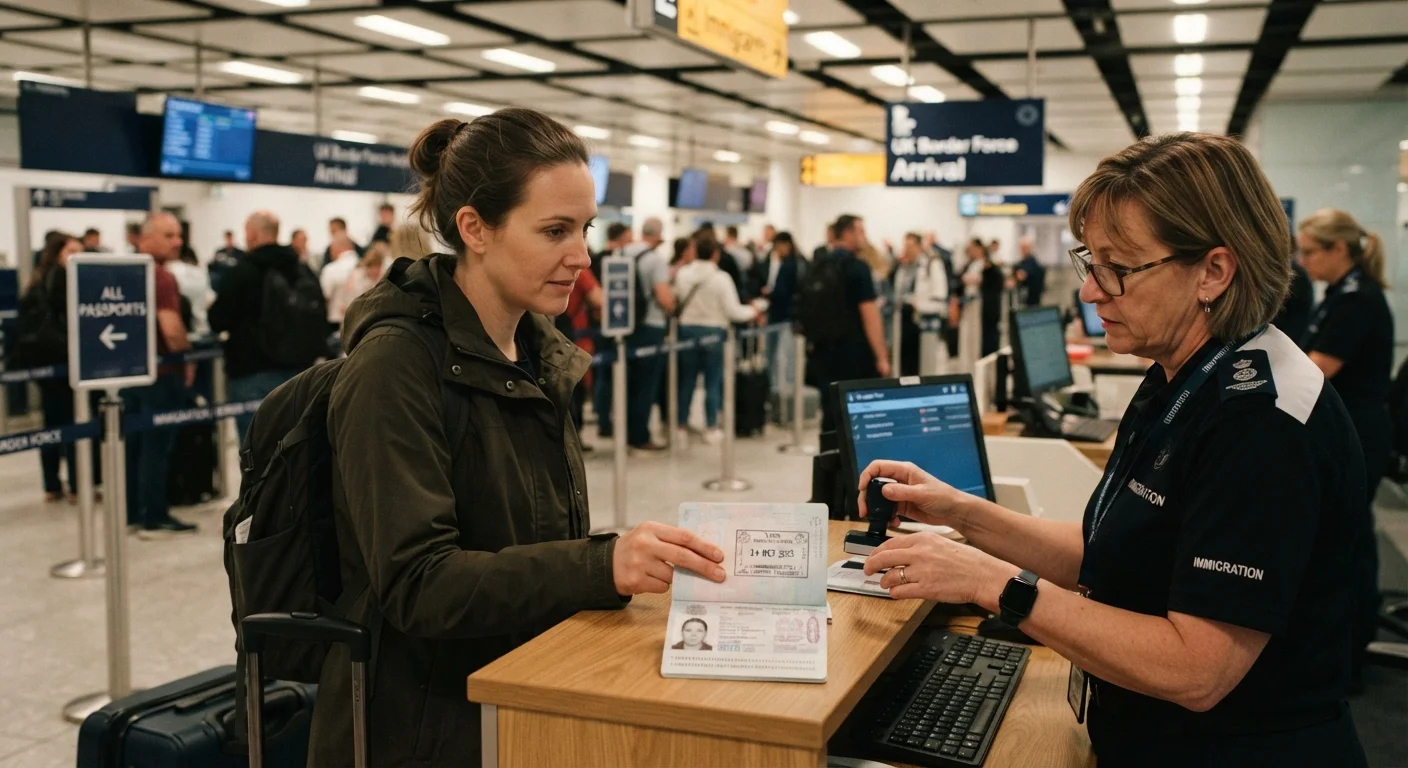
Most travelers assume a valid passport is all they need to enter a foreign country. In practice, border officers evaluate several criteria simultaneously — and a single missing document can result in being denied boarding or turned back at the border.
Entry requirements fall into a few broad categories: identity and travel authorization documents, proof of your travel plan, evidence of financial means, and health-related documentation. Each country sets its own rules, and those rules can differ based on your nationality, the purpose of your visit, and even your planned length of stay.
If you're newer to international travel, our guide for first-time international travelers covers foundational preparation steps that pair well with this reference.
| Passport validity buffer | 3–6 months beyond departure date (varies by country) (U.S. Department of State travel advisories) |
| Common visa types | Tourist, transit, business, student, ETA (electronic travel authorization) |
| Proof of onward travel | Return or connecting flight confirmation widely requested at border |
| Vaccination most often required | Yellow fever (for travelers from endemic regions) (World Health Organization and destination health authorities) |
| Best official source (U.S. travelers) | travel.state.gov plus destination country's embassy website |
| Who sets entry rules | Each sovereign nation independently; rules differ by traveler nationality |
The Core Document Categories Explained
Passport Validity
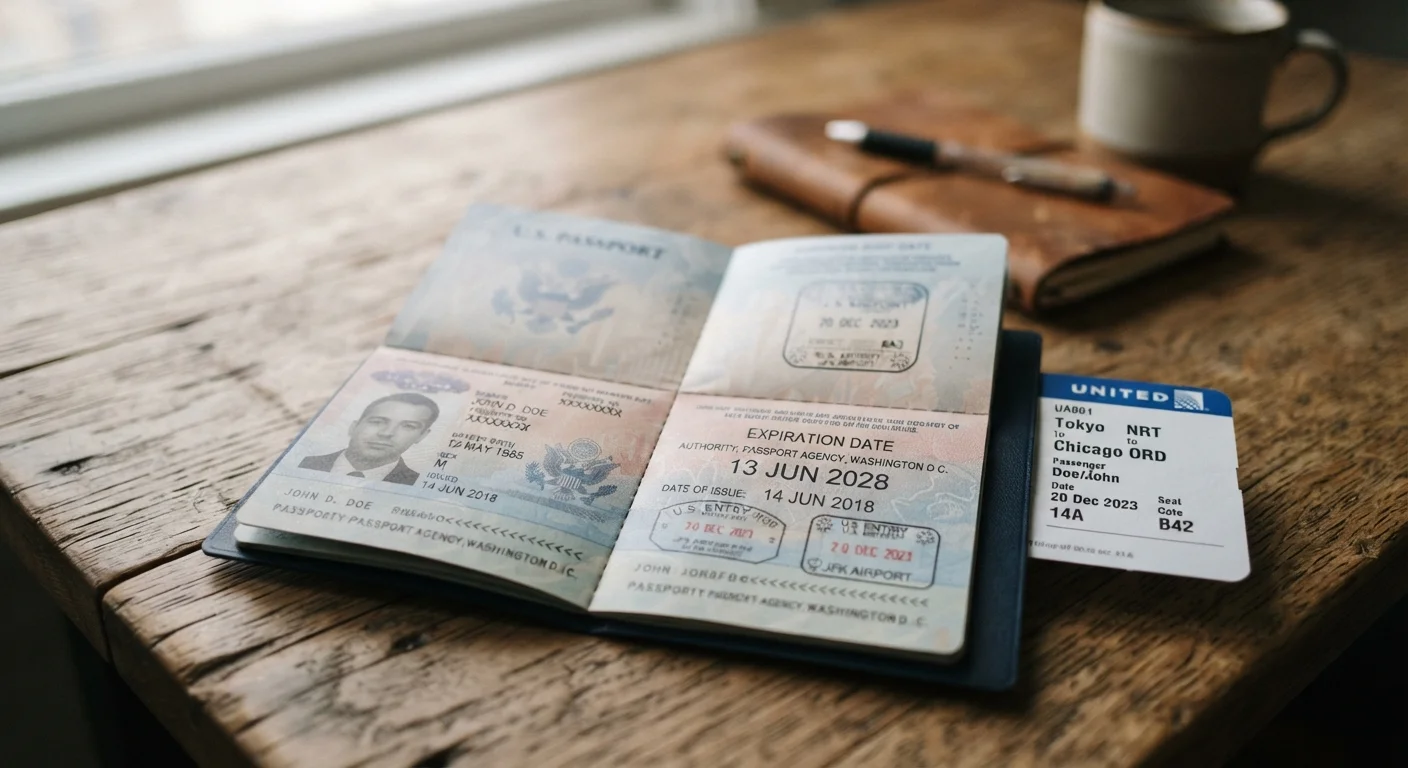
Many countries require that your passport remain valid for three to six months beyond your intended departure date — not just through your trip. Showing up with a passport that expires the day you fly home may be enough to get you turned away. Passport validity rules that catch travelers off guard explains which destinations enforce this and what the thresholds are.
Visas and Travel Authorization
A visa is official permission to enter a country for a specified purpose and duration. Some destinations issue visas on arrival; others require advance applications through an embassy or consulate. An increasing number of countries use electronic travel authorizations (ETAs) — lightweight digital approvals that are not the same as a full visa but must be obtained before boarding. Always verify which authorization type applies to your specific passport. See how visa-on-arrival works for a closer look at that option.
Proof of Onward Travel
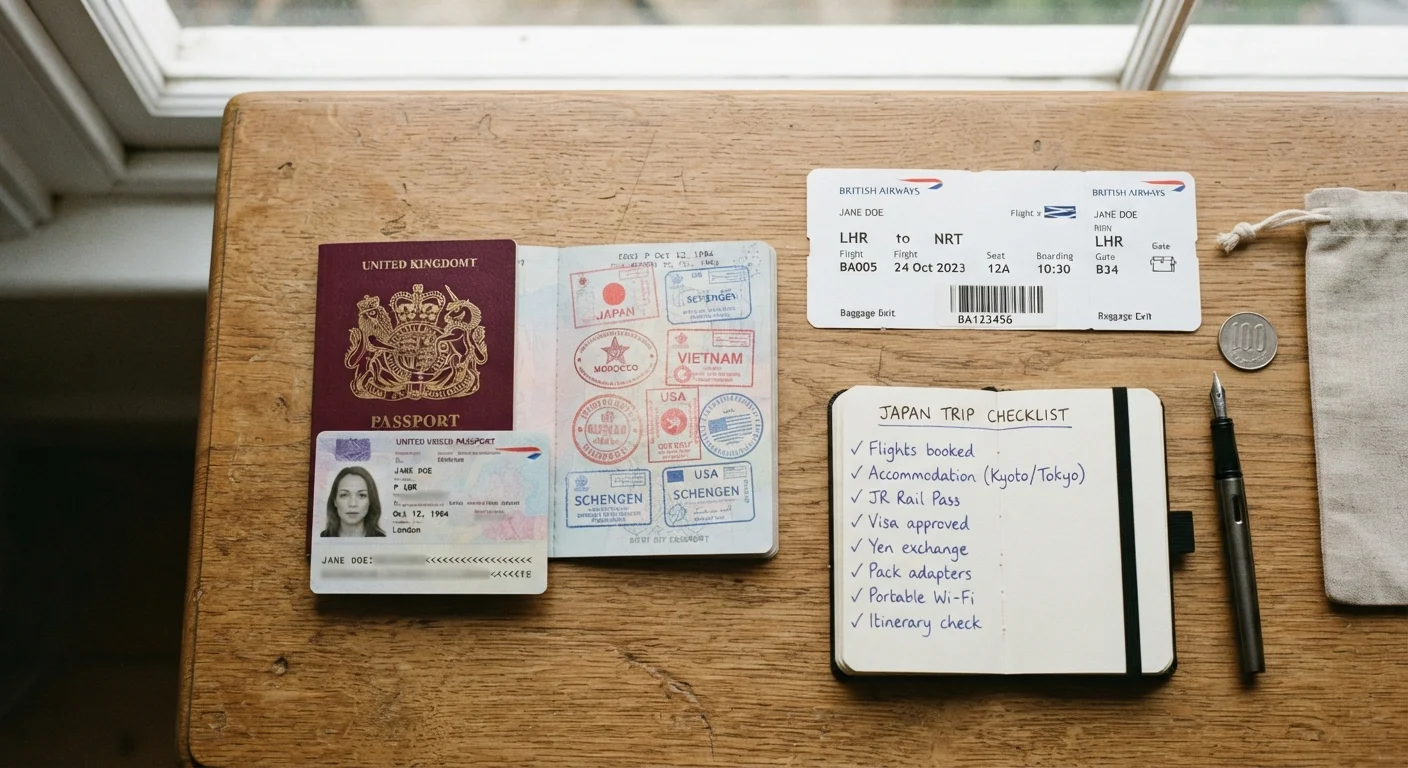
Border officers routinely ask to see a confirmed return or onward flight ticket. This demonstrates you don't intend to overstay your permitted entry period. Some countries enforce this strictly; others ask only when an officer has questions about your itinerary. Open-jaw itineraries (flying into one city, out of another) generally satisfy this requirement as long as departure is documented.
Proof of Sufficient Funds
Several countries — particularly those with high rates of visa overstays historically — require visitors to demonstrate they can financially support themselves during the visit. This may mean showing a bank statement, a credit card, or both. The required amount varies; some countries publish specific daily minimums, while others leave assessment to the officer's discretion.
Health Declarations and Vaccination Records
Some destinations require proof of vaccination against specific diseases — yellow fever is the most common example, mandatory for travelers arriving from certain countries regardless of nationality. Health declaration forms (paper or digital) may also be required at entry. Requirements in this category can change based on public health conditions; always verify with official government and health authority sources before traveling, as this article cannot guarantee current accuracy.
Electronic Travel Authorization (ETA)
A digital pre-approval required by some countries before boarding. It is lighter than a full visa but still mandatory and must be obtained in advance through official government channels.
Visa on Arrival
A visa issued at the port of entry rather than in advance. Eligibility depends on your passport nationality and the destination country's rules — it is not universally available.
Proof of Onward Travel
Documentation showing you have a confirmed flight or transport departing the destination country before your permitted stay expires. Typically a return or connecting ticket.
Health Declaration Form
A document — paper or digital — completed by travelers disclosing their health status or recent travel history. Required by some countries at entry, especially after disease outbreaks.
Port of Entry
An official location — airport, land border crossing, or seaport — where travelers are processed by immigration and customs authorities upon arrival in a country.
Overstay
Remaining in a country beyond the authorized period granted at entry. Overstaying can result in fines, deportation, and future visa bans.
How to Verify Requirements Before You Travel
The most reliable sources for entry requirements are your own government's official travel advisory website (such as travel.state.gov for U.S. citizens) and the official embassy or consulate website of your destination country. Third-party travel sites can offer useful summaries, but treat them as a starting point — not the final word.
Requirements can change between when you book and when you fly. Build a habit of re-checking within a week of departure. Experienced travelers verify entry requirements as a pre-departure habit, not just during initial planning.
Also check whether your airline has its own documentation requirements — carriers are often fined when they transport passengers who are subsequently refused entry, so gate agents may ask for your visa or proof of onward travel before you board.
For documents that could easily be confused or misunderstood, common travel document myths is worth a quick read before your trip.
This article is for general informational purposes only. Entry requirements change frequently. Always verify current requirements with official government sources and your destination country's embassy or consulate before traveling.