What Visa-on-Arrival Actually Means at the Border
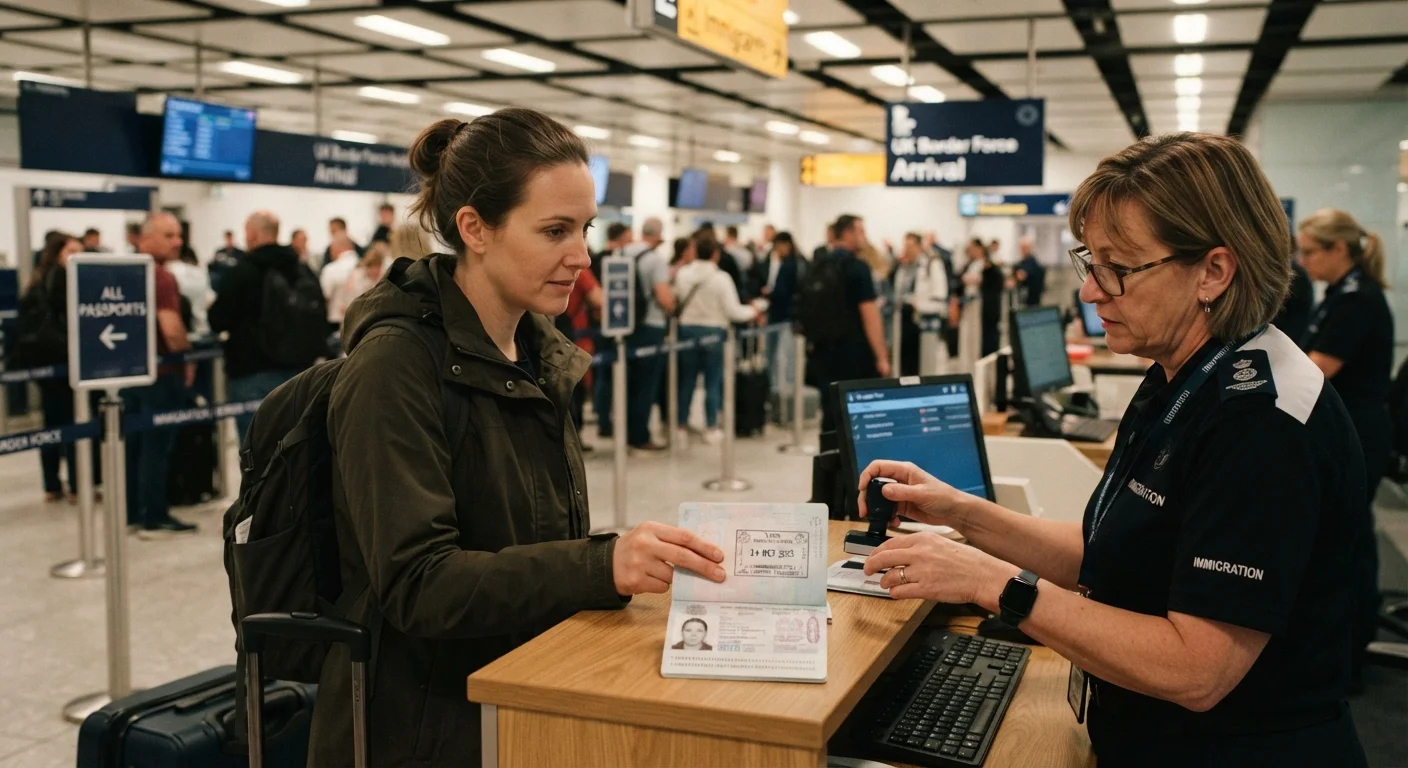
When a country offers visa-on-arrival to your nationality, it means border officials are authorized to issue your entry permit right at the port of entry. You join a designated VOA queue, present your documents, pay the applicable fee, and — assuming everything is in order — receive a stamp or sticker granting entry for a fixed period.
This process can take anywhere from a few minutes to over an hour depending on the airport, time of arrival, and queue length. It is not a guarantee of entry, and it is not the same as simply walking through like you would in a visa-free country. Think of it as purchasing a visa at a different point in the process.
Understanding exactly what category of entry permission applies to your trip matters more than most travelers realize. The difference between a visa and a travel authorization has real implications for when and how you need to act before departure.
VOA vs. e-Visa vs. Visa-Free: A Quick Distinction
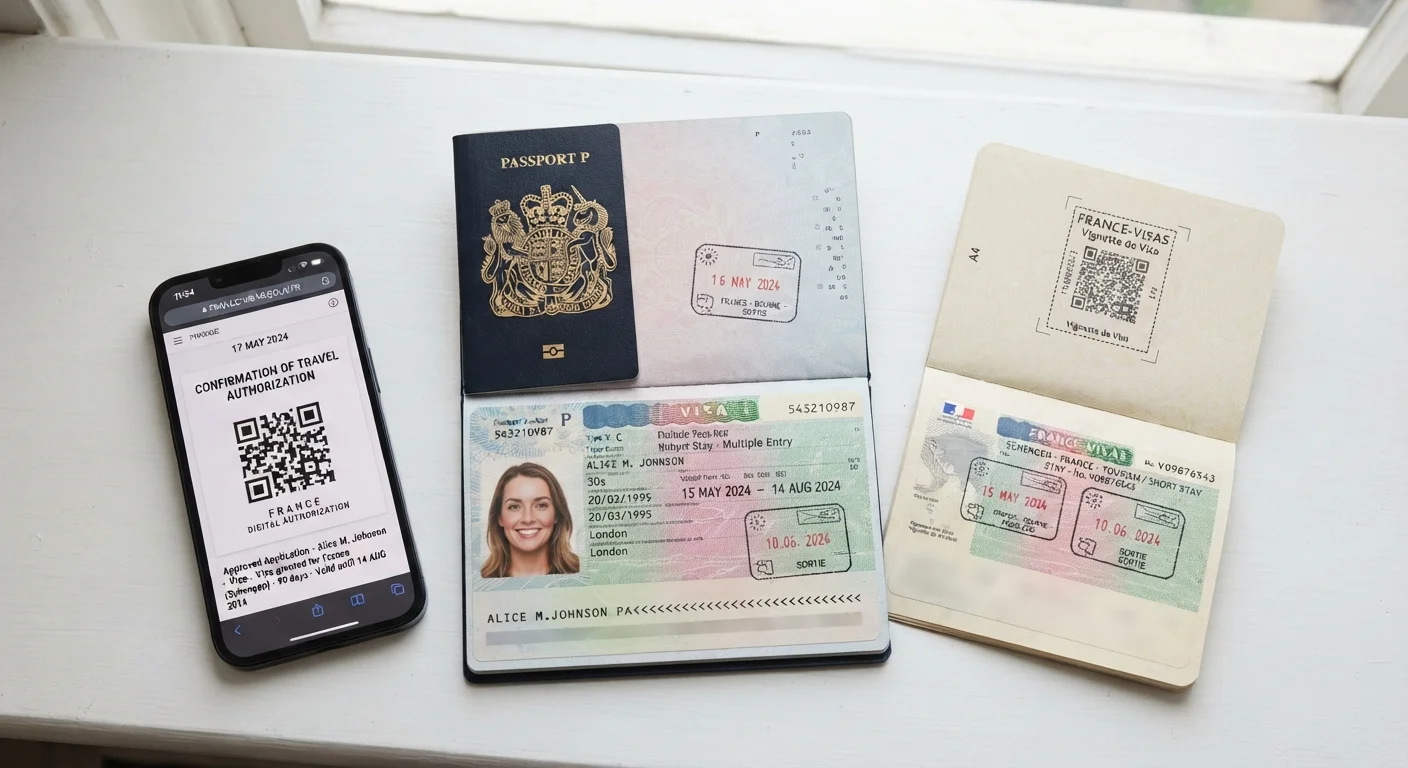
These three categories are frequently confused. Visa-free means no visa is needed — just a valid passport. Visa-on-arrival means a visa is issued at the border upon arrival. An e-Visa requires completing an online application and receiving approval before you travel. Each has different timelines, costs, and documentation requirements. Misidentifying which applies to your trip can have serious consequences at the border.
Eligibility: Why Your Passport Is the Key Variable
VOA eligibility is passport-specific, not traveler-specific. A U.S. passport holder and a traveler from another country standing in the same airport queue may have completely different options. Countries publish reciprocal agreements and bilateral arrangements that determine which nationalities qualify — and these agreements change over time.
For U.S. passport holders, VOA is available at a broad range of destinations in Southeast Asia, parts of Africa, and some island nations. But eligibility is not fixed. A country can suspend VOA arrangements for specific nationalities due to diplomatic, security, or public health considerations, sometimes on short notice.
185+
Countries accessible to U.S. passport holders
According to the Henley Passport Index, U.S. passport holders can access over 185 destinations through visa-free or visa-on-arrival arrangements, though conditions for each vary.
~$20–$100
Typical visa-on-arrival fee range (USD)
VOA fees vary significantly by destination; travelers should confirm the exact fee and accepted payment methods through official sources before departure.
Because rules shift, checking the destination's official immigration authority — not a travel blog or booking platform — is the only reliable verification method. The U.S. State Department's travel website also provides country-specific entry requirement summaries and is updated more regularly than most third-party sources.
What You Still Need to Bring
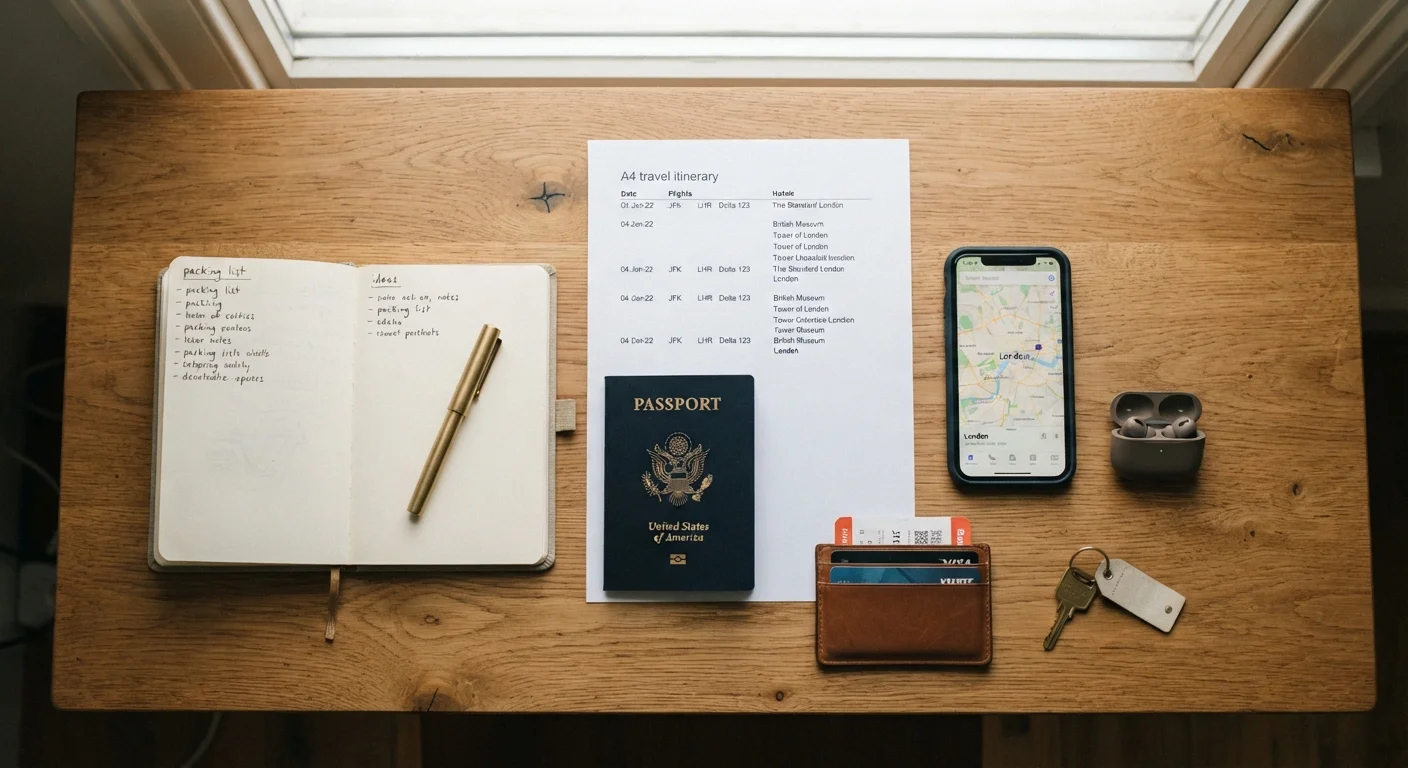
Even when VOA is available to you, arriving without the right supporting documents can result in denial. Most destinations require the following at minimum:
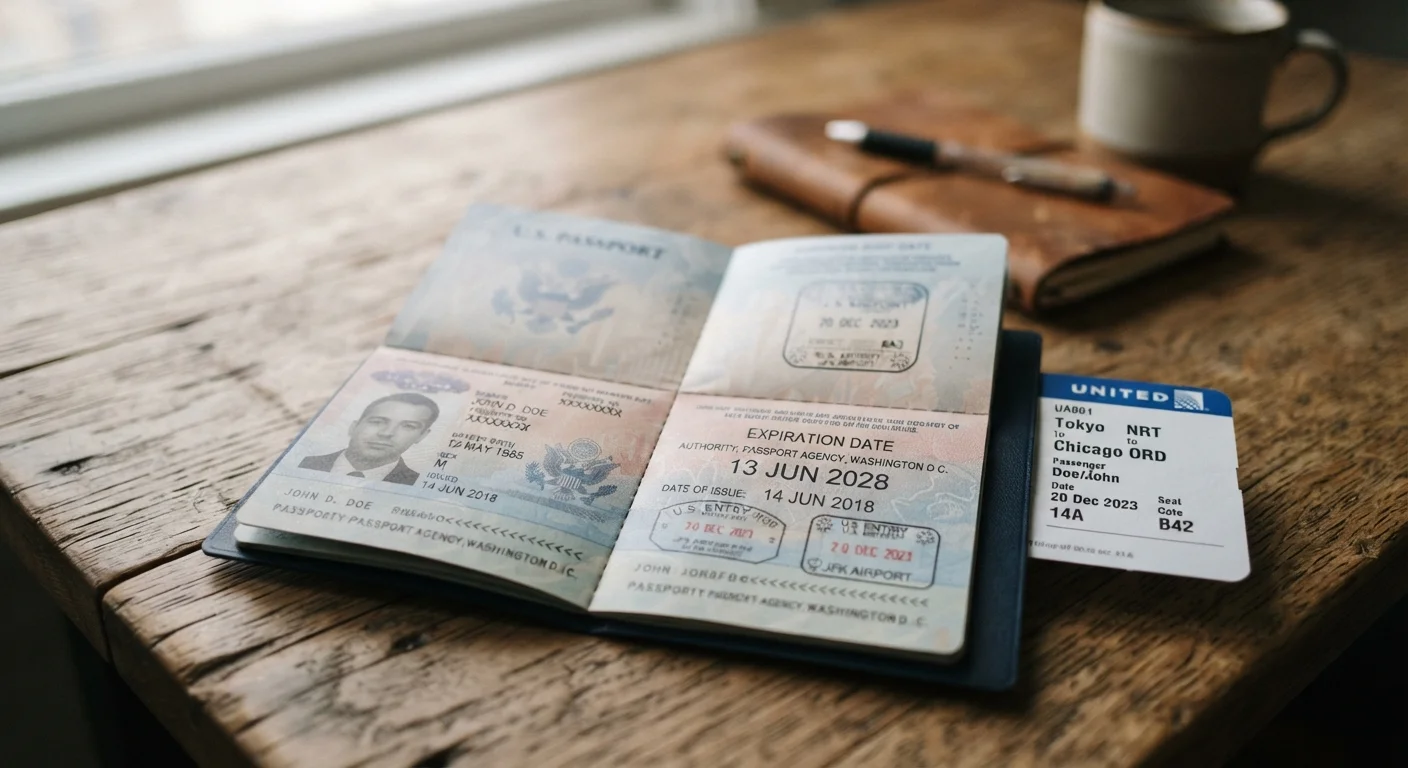
- A valid passport — frequently with at least six months of validity beyond your intended departure date. See passport validity rules that catch travelers off guard for country-specific guidance.
- Proof of onward travel — a return or connecting flight ticket showing you intend to leave within the permitted stay window.
- Sufficient funds — some countries ask for evidence that you can support yourself financially during the stay.
- Completed arrival forms — often distributed on the plane or available at the border; fill them out completely and legibly.
- Fee payment capability — VOA fees vary from roughly $20 to $100 USD depending on destination; some require exact cash in a specific currency, others accept cards.
A completed checklist approach is one of the habits that separates prepared travelers from stressed ones. Things experienced travelers do before every trip walks through a reliable pre-departure routine.
Where Visa-on-Arrival Doesn't Apply — and What to Do Instead
Not every country that requires a visa offers one on arrival. Many destinations require travelers to apply through a consulate or embassy weeks in advance, submit biometric data, or go through an online e-Visa portal before departure. Assuming VOA is an option when it isn't is one of the most avoidable travel mistakes.
Certain regions have almost no VOA options regardless of passport strength — notably parts of Central Asia and some countries with specific diplomatic tensions. Others have replaced VOA with mandatory e-Visa systems that must be completed online before you fly.
If VOA is not available for your destination and passport combination, your options include: applying for an advance visa through the country's consulate, completing an e-Visa application online, or — where applicable — meeting the threshold for a different type of short-stay authorization. Understanding entry requirements covers the full picture of what countries may ask for beyond the visa itself.
One final caution: don't let assumptions from a previous trip carry over. Entry requirements are not static, and what worked two years ago may not be valid today. Verify every time, for every trip. Common travel document myths addresses several widespread misconceptions that can lead travelers into exactly this trap.
This article provides general travel information for educational purposes. Entry requirements vary by country and can change without notice. Always verify current visa and entry requirements through official government sources and the destination country's immigration authority before traveling.