Why the Distinction Matters
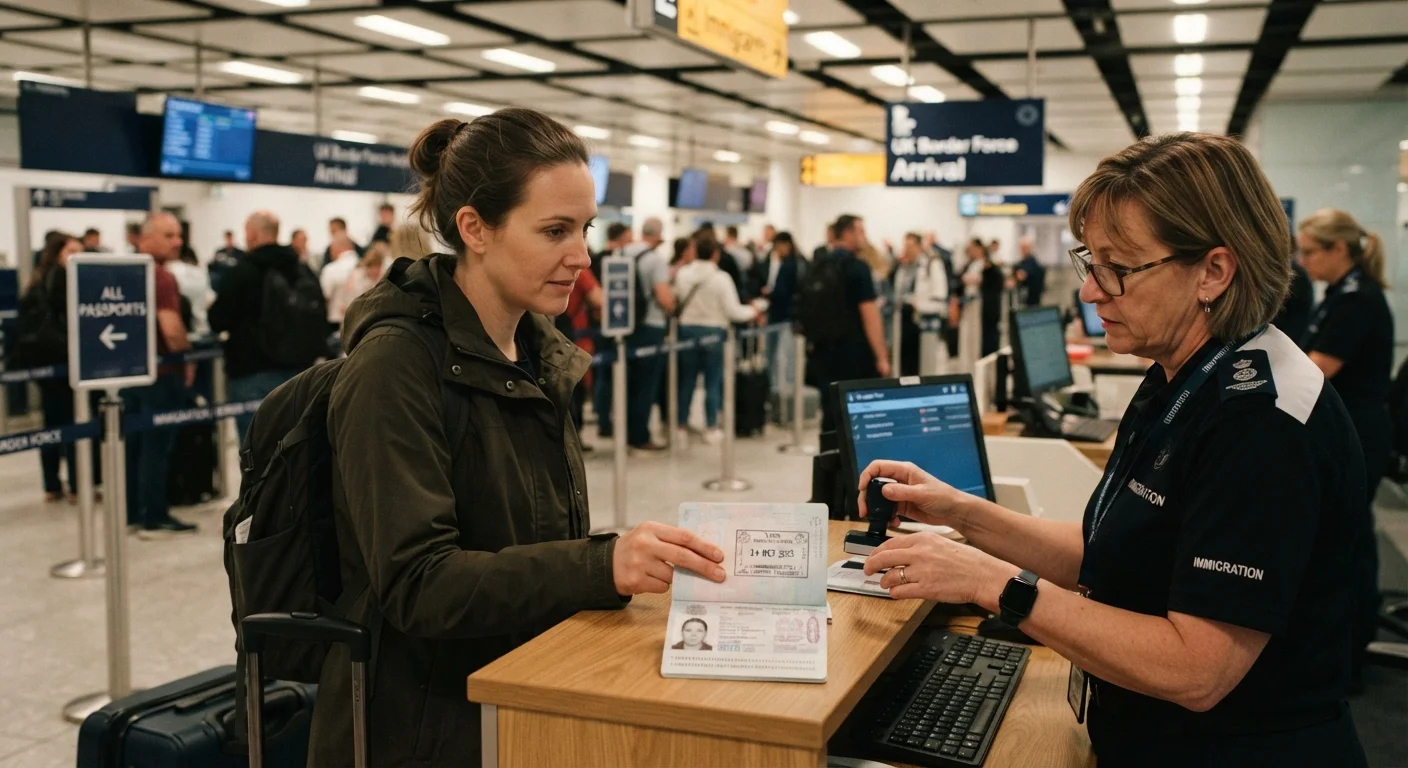
Both a traditional visa and a travel authorization serve the same fundamental goal: verifying that a traveler is permitted to enter a country. But they operate through very different processes, carry different conditions, and apply to different situations. Mixing them up — or assuming one can substitute for the other — is one of the more common and costly travel-planning mistakes.
As part of your international trip planning process, confirming which document you need should come before booking flights or accommodation. Entry requirements are set by destination countries, not airlines or booking platforms, and they vary significantly based on your passport nationality, trip purpose, and intended length of stay.
| Criterion | Traditional Visa | Travel Authorization (ETA/eVisa) |
|---|---|---|
| Format | Physical stamp or sticker in passport | Electronic record linked to passport number |
| Application process | Formal application; often in-person | Online only; no in-person visit required |
| Processing time | Days to weeks | Hours to a few days |
| Cost | Typically higher consular fees | Generally low government fee |
| Eligible travelers | Required for all or most nationalities | Restricted to approved passport holders |
| Permitted stay duration | Varies by visa category | Short-term visits only (typically up to 90 days) |
| Permitted activities | Defined by visa type (tourism, work, study, etc.) | Tourism and transit only |
What a Traditional Visa Actually Is
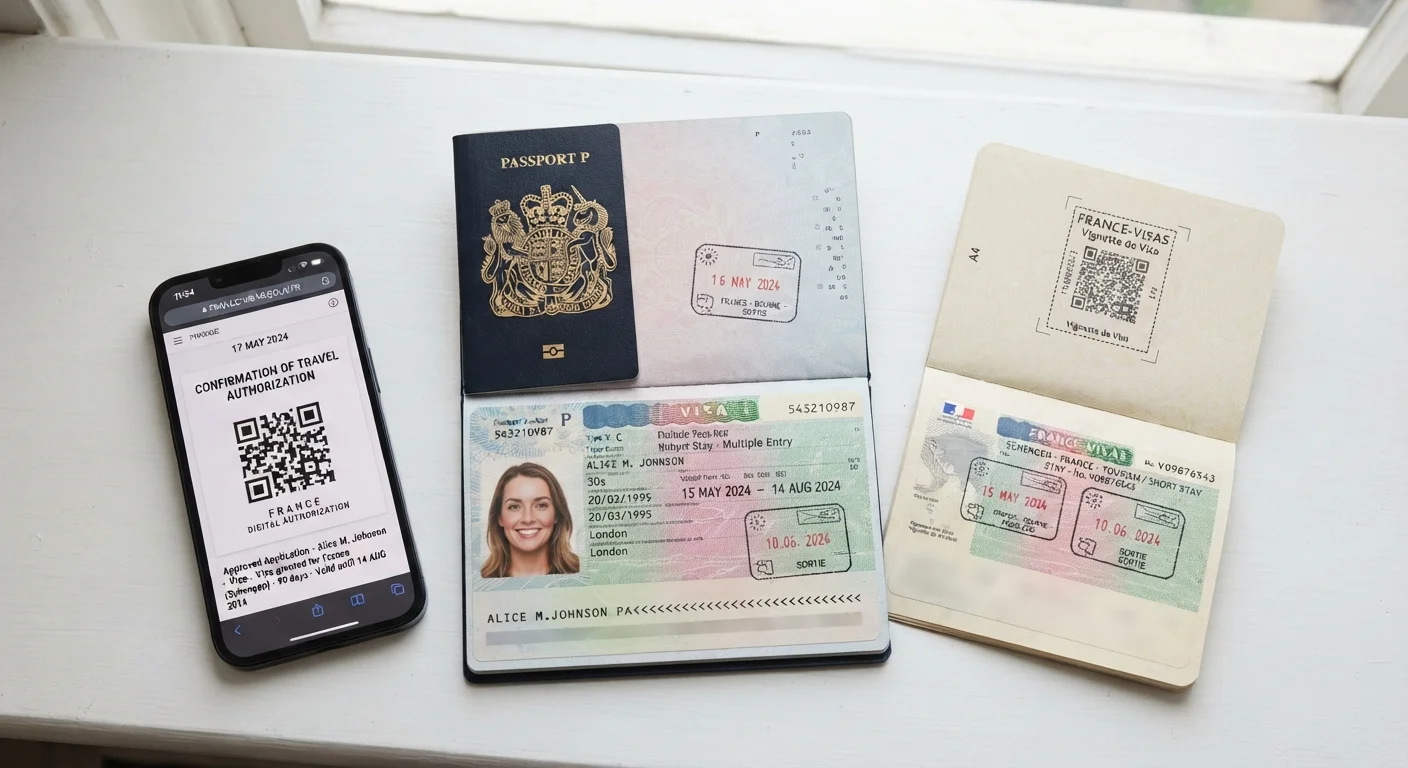
A visa is an official authorization, issued by a destination country's government, granting a foreign national permission to enter, transit, or remain within its borders for a specified period and purpose. It typically appears as a physical stamp or sticker in your passport, though some countries now issue digital equivalents.
Obtaining a traditional visa generally involves submitting a formal application — often with supporting documents such as bank statements, travel itineraries, or invitation letters — and paying a consular fee. Many countries require an in-person appointment at an embassy or consulate, though some now accept postal or online submissions for certain visa types.
Visa categories vary widely: tourist visas, student visas, work visas, and transit visas each carry their own eligibility criteria and permitted activities. Traveling on the wrong visa category (for example, working on a tourist visa) can lead to deportation and future entry bans. For extended international stays, the administrative considerations expand considerably.
Visa-Free Does Not Always Mean No Authorization
Some countries grant visa-free access to certain passport holders but still require an ETA or eVisa before boarding. Australia and Canada are well-known examples — US citizens can enter without a traditional visa, but still need an approved ETA. Always check the specific requirements for your destination rather than assuming visa-free means no pre-travel steps at all.
What a Travel Authorization (ETA or eVisa) Is
A travel authorization — commonly called an Electronic Travel Authorization (ETA) or, in some systems, an eVisa — is a pre-screening mechanism that links electronically to your passport. Unlike a stamped visa, it produces no physical document; border officials verify it by scanning your passport at check-in or entry.
ETAs emerged as governments sought to improve border security without creating friction for low-risk travelers from trusted countries. Canada's eTA, Australia's Electronic Travel Authority, and the UK's Electronic Travel Authorisation are prominent examples. The US Visa Waiver Program operates similarly through the ESTA (Electronic System for Travel Authorization).
The key distinctions: ETAs are generally faster to obtain (often approved within hours), lower in cost, and available entirely online. However, they are restricted to eligible passport holders, apply only to short-term stays, and do not permit activities like work or study. If your travel purpose or duration falls outside those parameters, a formal visa is required regardless of your passport. For a closer look at a related entry option, see how visa-on-arrival works and where it applies.
How to Know Which One You Need
Start with your destination country's official immigration website — not a third-party visa agency. Look up requirements specifically for holders of your passport nationality. The answer will fall into one of several categories: visa required, ETA/eVisa required, visa-on-arrival available, or visa-free entry (no advance authorization needed).
If a travel authorization applies to your situation, apply directly through the official government portal. Unofficial sites often charge processing fees far above the government rate and may introduce delays. Experienced travelers build this document check into their pre-trip routine well before departure — see the full checklist of habits experienced travelers follow before every trip.
Common misconceptions about these documents can derail even well-organized trips. Travel document myths — like assuming an ETA approval guarantees entry — are worth reviewing before you go. Final admission is always at the discretion of border officials.
This article provides general travel information for educational purposes only. Entry requirements change frequently. Always verify current requirements through official government and embassy sources before traveling.