
Why Long-Term Travel Has a Different Administrative Weight
A two-week vacation and a three-month sabbatical abroad may feel similar in spirit, but they are fundamentally different from an administrative standpoint. Short trips typically require a passport, a flight, and perhaps a hotel confirmation. Extended stays layer on visa requirements, insurance gaps, tax exposure, and home-country obligations that most travelers don't think about until something goes wrong.
A well-planned trip always starts with understanding what the destination actually requires of you — not just in terms of bookings, but in terms of legal status, financial continuity, and documentation. This guide walks through each of those dimensions so you can approach a long-term trip with the same confidence you'd bring to a shorter one.
Start Administrative Planning Early
For a trip of two months or more, begin the administrative groundwork at least three to four months before departure. Visa applications, insurance research, and tax planning each take time — and some steps, like applying for a long-stay visa, can't be rushed once you're close to your travel date.
Visas, Permits, and Length-of-Stay Rules
The single most consequential piece of long-term travel administration is understanding your legal right to remain in a country. Most visa-free agreements — including the Schengen Area's arrangement with U.S. passport holders — cap stays at 90 days within any 180-day rolling period. Overstaying that limit can result in fines, deportation, or future entry bans.
For stays beyond what visa-free access allows, you'll typically need to apply for a longer-term visa or residency permit before departing the U.S. Common categories include:
- Digital nomad visas — offered by a growing number of countries for remote workers who earn income outside the host nation
- Retirement or passive income visas — available in some countries for travelers who can demonstrate sufficient funds without working locally
- Long-stay tourist visas — distinct from standard tourist entry and usually requiring advance application
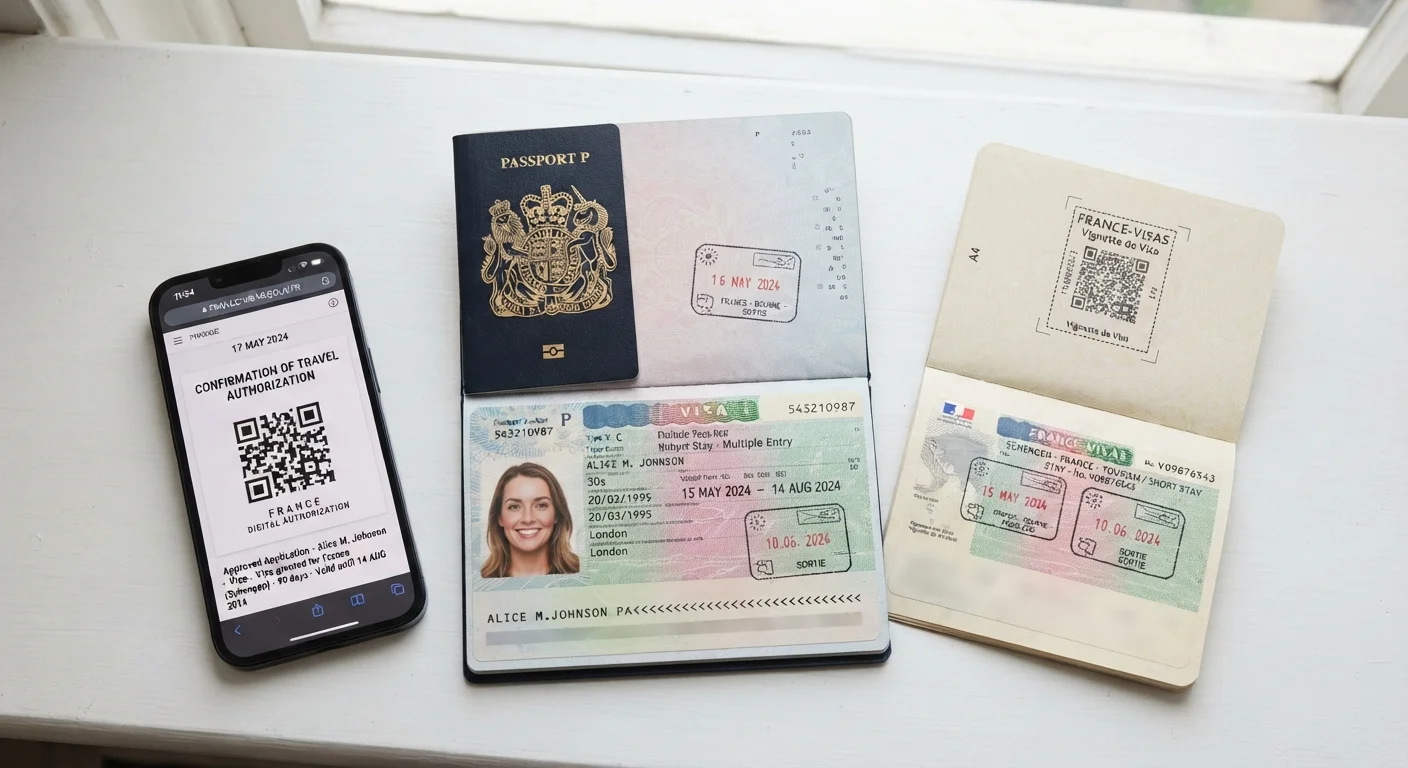
Understanding the difference between a visa and a travel authorization is essential groundwork before you research any specific permit. Entry rules change, and the only reliable source is the official embassy or consulate of your destination country, plus the U.S. Department of State's travel pages.
Verify Entry Rules With Official Sources Only
Visa rules, permitted stay durations, and entry requirements change frequently and vary based on your passport, purpose of travel, and destination. Never rely on travel blogs or third-party aggregators as your final source. Always confirm requirements directly with the destination country's official embassy or consulate website and the U.S. Department of State before booking.
Travel Insurance for Extended Trips
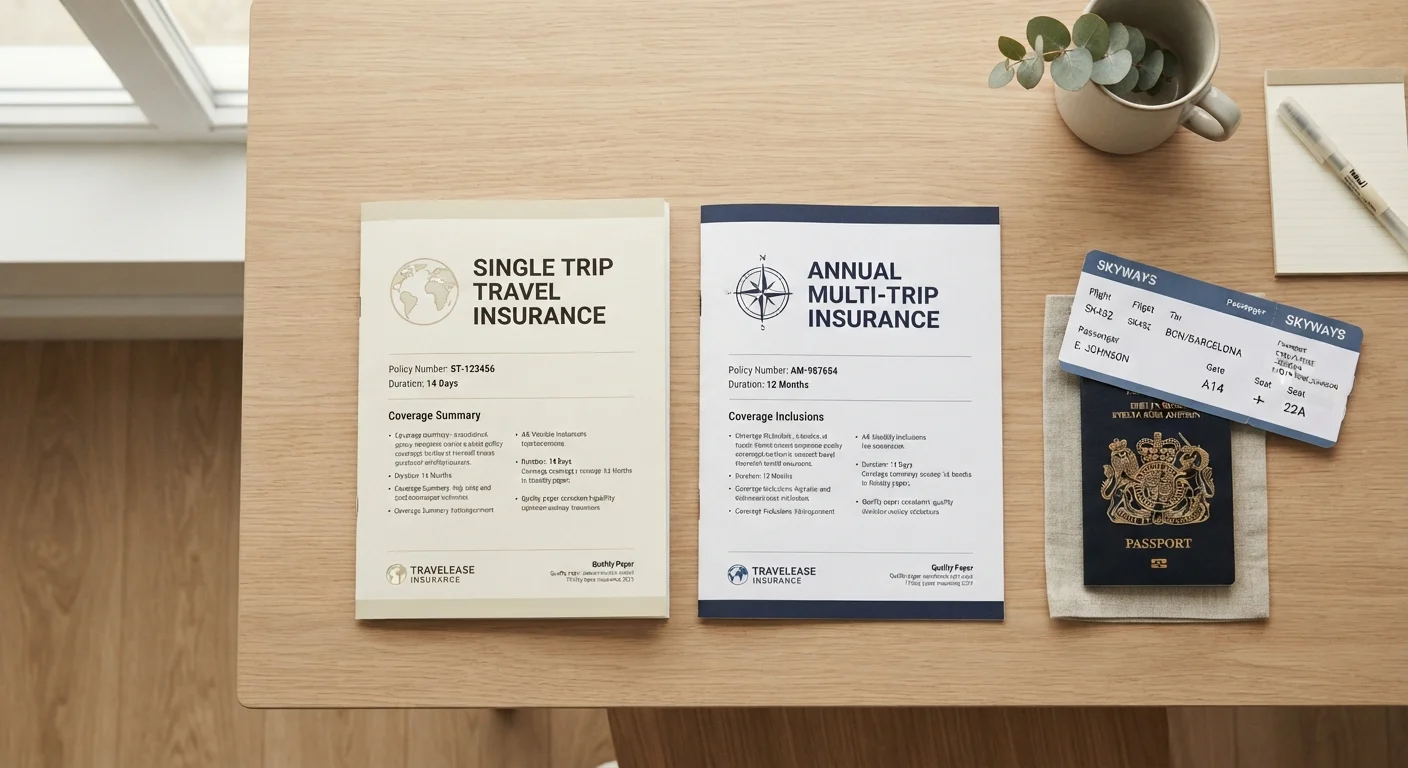
Standard single-trip travel insurance policies often cap coverage at 30 to 60 days. If your trip runs longer, you may find yourself uninsured for medical emergencies, evacuation, or trip interruption without realizing it. Extended-stay travelers generally need one of the following:
- Long-term travel medical insurance — designed specifically for stays of several months, covering emergency and sometimes routine care abroad
- Annual multi-trip policies — useful if you travel frequently throughout the year, though per-trip duration limits still apply
- Expatriate health insurance — for stays of six months or more, often more comprehensive and treated more like a standard health plan
Single-trip and annual travel insurance policies differ significantly in scope, and neither is automatically suited to long-term travel. Review policy terms carefully, paying attention to pre-existing condition clauses, medical evacuation coverage, and whether the policy coordinates with your U.S.-based health insurance. For general guidance on what travel insurance actually covers, see this plain-language breakdown.
Tax and Financial Considerations
U.S. citizens and permanent residents are required to file federal tax returns and report worldwide income regardless of where they live or how long they spend abroad. This is a widely misunderstood point: physically leaving the U.S. does not eliminate U.S. tax obligations.
There are provisions — such as the Foreign Earned Income Exclusion (FEIE) and the Foreign Tax Credit — that may reduce double taxation for those earning income abroad, but qualifying for them involves specific tests (including the Bona Fide Residence Test and the Physical Presence Test) that require meeting strict criteria. These are complex areas of tax law, and the rules differ depending on your income type, destination country, and duration of stay.
90 days
Schengen Area visa-free limit for U.S. passport holders
Per the Schengen Agreement, U.S. citizens may stay up to 90 days within any 180-day rolling period without a visa.
~9M
Americans living abroad, per U.S. State Department estimates
The U.S. State Department estimates approximately 9 million U.S. citizens reside outside the country, all still subject to U.S. tax filing requirements.
On the banking side, long-term travelers should notify their financial institutions before departing to avoid fraud alerts that freeze accounts. It's also worth researching whether your existing checking or credit accounts charge foreign transaction fees and whether a fee-free alternative makes sense. For broader planning on managing travel spending, the Travel Budgeting hub provides practical frameworks.
This article provides general informational context only and is not tax or legal advice. Consult a qualified tax professional regarding your specific circumstances before making decisions about your tax filing obligations.
Managing Your U.S. Obligations While Abroad
Long-term travel doesn't pause life at home. Several practical obligations require attention before and during an extended absence:
- Set up USPS mail forwarding or a mail scanning service so important documents — tax notices, insurance renewals, legal correspondence — reach you reliably.
- Bills and subscriptions
- Automate recurring payments and audit subscriptions you won't use while away. Missed payments can affect your credit.
- Voter registration and jury duty
- If you'll be abroad during an election cycle, apply for an absentee ballot well in advance through your state's election authority. Jury duty deferrals are usually possible with documented evidence of extended absence.
- Vehicle and home
- If you own a car, consider whether to store, sell, or have someone manage it. Homeowners should arrange property oversight and confirm their homeowners insurance remains valid during an extended absence — some policies have occupancy requirements.
For a broader pre-departure checklist, see what experienced travelers do before every trip.
Before departing for a trip longer than 60 days, call your health insurer directly and ask two specific questions: does coverage apply internationally, and is there a maximum duration? Don't rely solely on the policy summary document.
Health insurance policies often bury international coverage limits in fine print, and assumptions made at departure can leave travelers unprotected months into a trip.
Apply for any required long-stay visa at least three months before your intended departure date. Processing times vary widely and can extend significantly during peak periods.
Visa processing delays are one of the most common — and most avoidable — causes of disrupted long-term travel plans.
Building Your Administrative Checklist
The administrative side of long-term travel is manageable when approached systematically. Use the following framework to organize your preparation:
- Confirm your legal entry status — Research visa requirements for your destination and apply well in advance if a long-stay visa is needed. Verify with official government sources.
- Audit your insurance coverage — Check the duration limits on existing policies and purchase appropriate long-term medical and travel coverage before departing.
- Address your tax position — If you'll be earning income abroad or staying for more than a few months, consult a tax professional experienced in expatriate taxation.
- Secure your documents — Carry physical copies and maintain digital backups. Organized document habits prevent major headaches if something is lost or stolen.
- Manage home-country logistics — Automate bills, arrange mail handling, and notify relevant institutions of your plans.
- Register with the U.S. Embassy — The State Department's STEP program (Smart Traveler Enrollment Program) allows Americans abroad to receive safety alerts and makes it easier for the embassy to assist you in an emergency.
Long-term travel rewards preparation. The travelers who navigate extended stays most smoothly aren't those who wing the logistics — they're the ones who built a clear plan before they left. For a comprehensive stage-by-stage walkthrough of trip planning from start to finish, see From Idea to Departure.