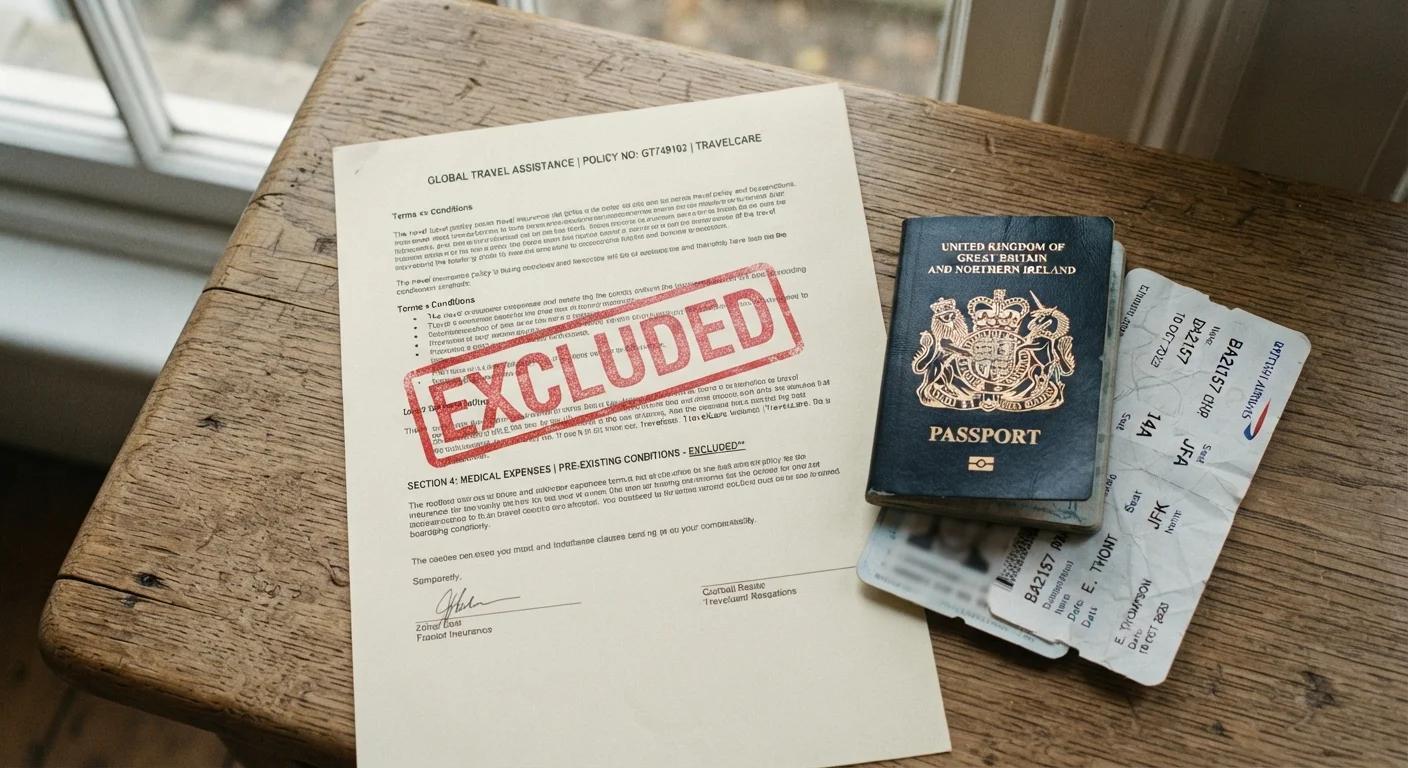

What Travel Insurance Actually Covers
Travel insurance isn't a single product — it's a category of policies, each built around different types of risk. Most standard plans bundle several coverage types together. Understanding what each one does helps you evaluate whether a given policy fits your trip.
- Trip cancellation and interruption: Reimburses prepaid, non-refundable costs if you have to cancel or cut a trip short due to a covered reason — typically illness, injury, a death in the family, or severe weather.
- Emergency medical coverage: Pays for medical treatment abroad if you're injured or fall ill during your trip. This is especially critical because most U.S. health insurance plans have limited or no coverage outside the country.
- Emergency medical evacuation: Covers the cost of transporting you to an appropriate medical facility, or back home, in a serious health emergency. Evacuation costs can reach six figures without coverage.
- Baggage loss and delay: Compensates you if luggage is lost, stolen, or significantly delayed. Delay coverage often includes essential purchases like clothing or toiletries.
- Travel delay: Reimburses meals, accommodation, and expenses incurred when a flight or connection is delayed beyond a policy threshold — often six to twelve hours.
For a broader view of how insurance fits into your overall trip finances, see the pre-trip financial checklist.
$50,000+
Typical cost of medical evacuation abroad
The U.S. State Department notes that medical evacuations can cost tens of thousands of dollars and are rarely covered by standard domestic health insurance plans.
~4–10%
Average travel insurance cost as share of trip price
Insurance industry guides generally cite policy premiums of roughly 4–10% of total trip cost, varying by traveler age, destination, and coverage level.
Most U.S. plans
Domestic health insurance with no international coverage
The U.S. Centers for Medicare & Medicaid Services confirms that Medicare generally does not cover healthcare received outside the United States.
Common Exclusions You Need to Know
Travel insurance policies contain exclusions — situations they explicitly will not cover — and these are where many travelers run into trouble. The fine print matters more than the marketing summary.
Pre-existing medical conditions are among the most common exclusions. A condition you were diagnosed with, treated for, or showed symptoms of before purchasing the policy may not be covered unless you buy a pre-existing condition waiver, typically available only within 14–21 days of your first trip deposit.
Foreseeable events are also excluded. If a hurricane is already named and heading toward your destination when you buy coverage, that specific storm won't be covered — insurers only cover unforeseen events.
Other frequent exclusions include:
- Adventure or extreme sports (unless an add-on rider is purchased)
- Travel to destinations under a government-issued travel advisory at the time of purchase
- Civil unrest, war, or acts of terrorism (policies vary — some include terrorism, others don't)
- Alcohol- or drug-related incidents
- Cancellations due to a change of mind, unless CFAR coverage is in place
What travel insurance won't pay for goes deeper into these exclusions with specific scenarios to watch for.
Buy Within the Waiver Window
To access a pre-existing condition waiver and Cancel for Any Reason upgrades, most insurers require you to purchase within 14–21 days of your first trip deposit. Mark this date on your calendar as soon as you book. Waiting until closer to departure can permanently disqualify you from these options.
When Coverage Is Worth Having — and When It May Not Be
Travel insurance isn't automatically worth the cost for every trip. The decision depends on how much financial risk you're taking on and how well other protections already cover you.
Coverage tends to make strong sense when:
- You've paid significant non-refundable costs for flights, hotels, or tours
- You're traveling internationally, where your U.S. health insurance likely won't apply
- You're taking a cruise or guided tour with strict cancellation penalties
- You're traveling during hurricane season or to a region with unpredictable weather
- Your health or a close family member's health is uncertain
Coverage may add less value when:
- You're taking a short, low-cost domestic trip with flexible bookings
- Your credit card already provides meaningful travel protections for the risks you face
- Your employer-sponsored health plan covers you internationally (verify this explicitly)
For those planning extended stays abroad, the logistical and insurance considerations multiply significantly. The administrative side of long-term travel explains how coverage needs shift when you're away for weeks or months.
How to Read a Policy Before You Buy
The summary page of a travel insurance policy is a marketing document. The Certificate of Insurance (COI) is the legal contract. Before purchasing, check these specific sections:
- Covered reasons for cancellation: This is a named list. If your reason isn't on it, you won't be reimbursed — unless you have CFAR coverage.
- Medical coverage limits: Look at the dollar cap. A $25,000 medical limit may sound substantial, but a medical evacuation alone can cost far more. Policies with $100,000 or more in evacuation coverage are common for international trips.
- Lookback period for pre-existing conditions: Most policies define a lookback window (often 60–180 days before purchase) during which any medical event involving that condition would be scrutinized.
- Exclusions list: Read it fully. This is where policies differ most significantly.
- Claims process: Understand what documentation you'll need to file — medical records, receipts, police reports — before an incident happens, not after.
Travel insurance sits within the broader ecosystem of logistics and documents that every prepared traveler should understand. Taking an hour to read your policy thoroughly is one of the most practical steps you can take before departure.
This article is for general informational purposes only and does not constitute insurance or financial advice. Coverage terms vary by policy and provider. Always consult your policy documents and speak with a licensed insurance professional for guidance specific to your situation. Verify entry requirements, health advisories, and coverage details with official government and insurer sources before traveling.