How the Original Cash Method Works
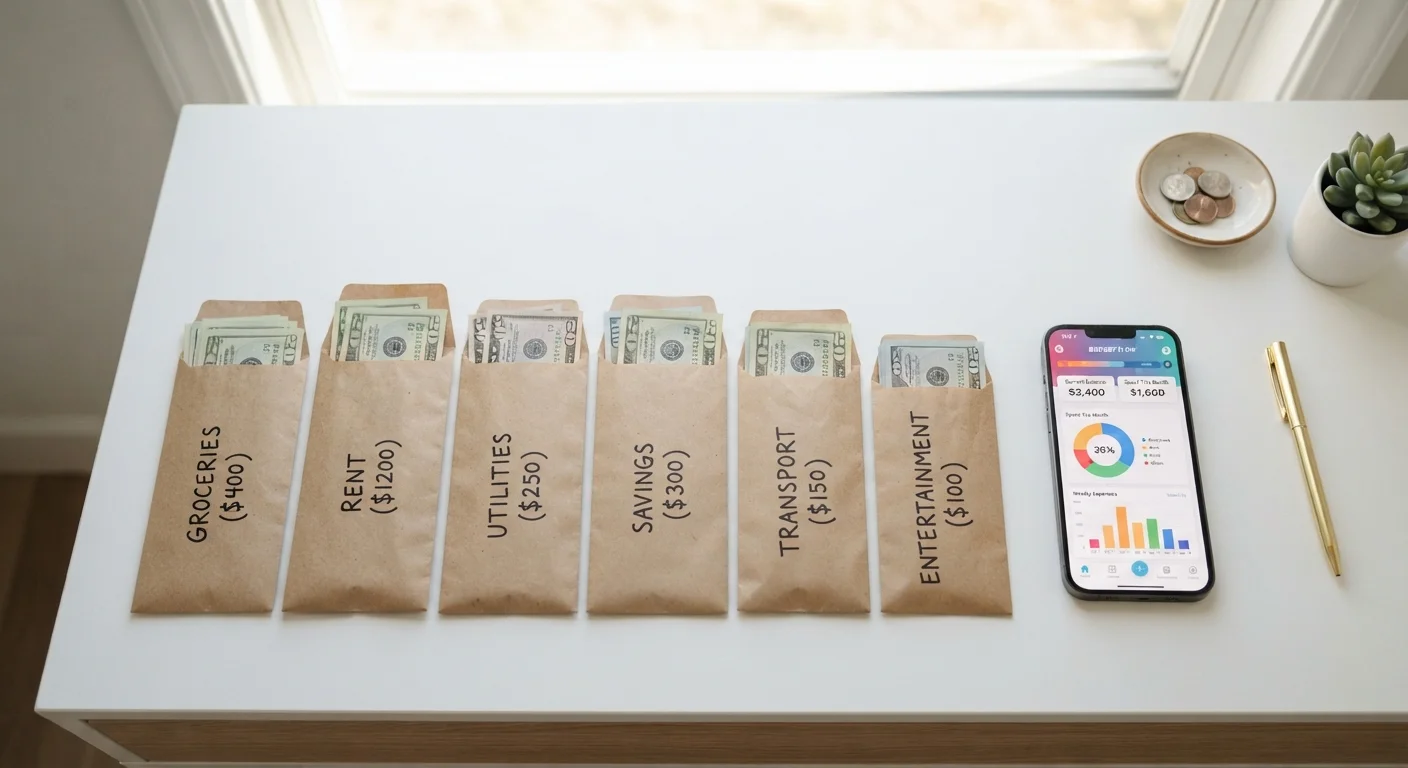
The classic envelope system was popularized as a grassroots financial tool long before budgeting apps existed. At the start of each month - or each pay period - you withdraw your discretionary income in cash and physically sort it into labeled envelopes. Common categories include groceries, gas, dining out, clothing, and household supplies.
The rule is simple and unforgiving: once an envelope is empty, you stop spending in that category. There is no overdraft, no credit card to fall back on. That hard stop is precisely what makes the method effective - it replaces an abstract number on a statement with a very tangible reality.
Fixed expenses like rent or mortgage payments, utilities, and insurance are typically handled separately by automatic transfer or check, since those amounts don't vary month to month and don't benefit from the same cash-in-hand discipline. The envelope system is most powerful for the discretionary spending that tends to quietly expand when it isn't closely watched.
Start With Just Three Envelopes
If the idea of categorizing every dollar feels overwhelming, begin with just three envelopes: groceries, dining out, and personal spending. Mastering a small system builds the habit without the complexity. You can add more categories in month two once the routine feels natural.
Taking the Envelope Concept Digital
For most people today, carrying large amounts of cash is impractical - and unnecessary. The envelope framework translates cleanly into digital tools. Instead of paper and bills, you create virtual spending categories and set a dollar limit for each one. Every transaction you make is logged against the appropriate category, reducing its balance in real time.
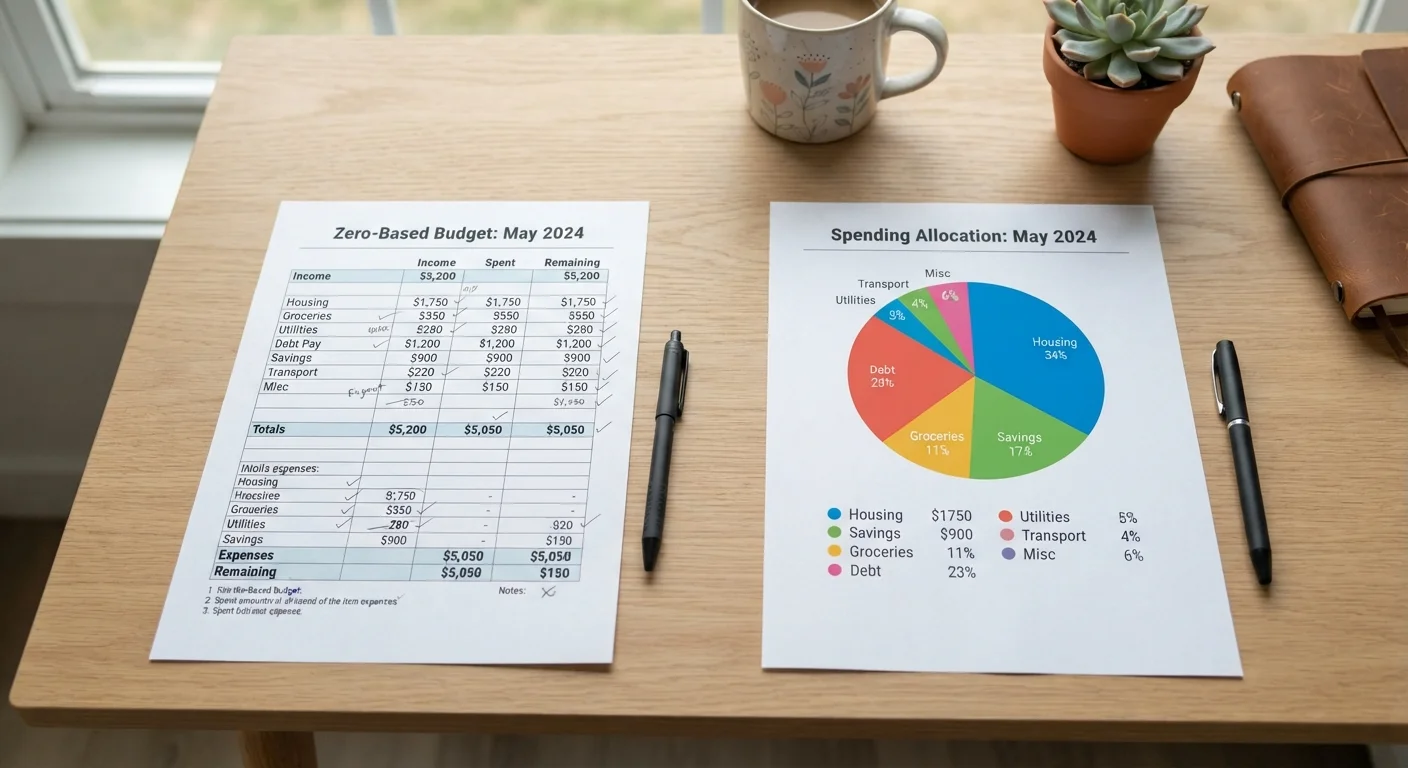
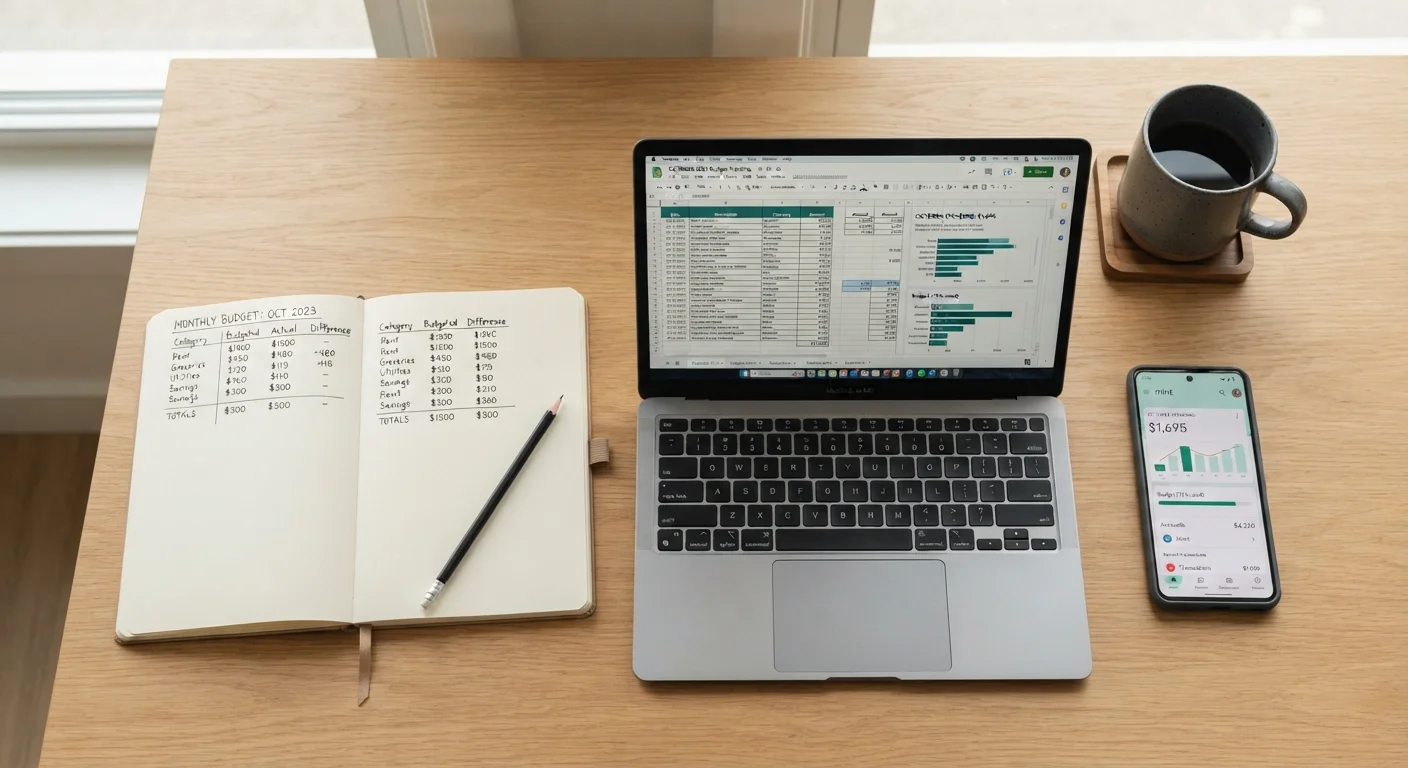
Several budgeting apps are built explicitly around this model, letting you connect bank or card accounts so transactions are automatically sorted. Others let you log purchases manually, which some users find reinforces mindful spending. Spreadsheets are another option for those who prefer full control: a table with category names, monthly limits, and running totals can replicate every function of the physical envelope without any software subscription.
74%
Americans living paycheck to paycheck
According to a 2023 LendingClub report, nearly three in four U.S. consumers reported living paycheck to paycheck, underscoring the need for proactive spending frameworks.
~$200
Average monthly discretionary overspend
Research from the Penny Hoarder and similar consumer surveys consistently finds that untracked discretionary spending exceeds budgeted amounts by roughly $150-$250 per month for many households.
For a side-by-side look at how spreadsheets and apps compare as tracking tools, see our comparison of budgeting methods.
Physical vs. Digital: Choosing What Fits Your Life
Neither format is universally superior - the right choice depends on your spending habits, comfort with technology, and how you're most likely to stay consistent.
- Physical envelopes work best if you tend to overspend on cards, find tangible objects more motivating than screen notifications, or are new to budgeting and want an immediate, visceral sense of limits.
- Digital envelopes work best if you rarely use cash, shop online frequently, travel often, or want automatic transaction syncing to reduce manual logging effort.
Some people use a hybrid approach: cash envelopes for a few high-risk categories like dining and entertainment, paired with a digital tracker for everything else. There is no rule against combining formats - the goal is reliable spending awareness, not methodological purity.
Envelope budgeting also adapts well to travel spending. If you're planning a trip, pre-allocating a fixed amount to categories like accommodation, food, and activities mirrors the same discipline. See approaches for tracking spending while traveling for practical applications on the road.
Building Your First Envelope Budget
Starting from scratch is straightforward. First, calculate your monthly take-home income - the amount actually deposited after taxes and any automatic deductions. Next, list every spending category you want to track, starting with fixed essentials and then your variable expenses.
Assign a realistic dollar amount to each category based on past spending, not wishful thinking. Pull two or three months of bank or card statements to find your actual averages. If your total allocations exceed your income, trim the discretionary envelopes - not the essentials - until everything balances.
Then commit to the rule: when a category hits zero, it's done for the month. Expect the first month to require adjustments. Few people nail their estimates immediately. Treat early shortfalls as data, not failure, and revise the following month's envelopes accordingly.
For a comprehensive walkthrough of building and maintaining a complete budget from income to long-term goals, the Personal Budgeting complete resource covers every stage in depth.
This article is for general informational and educational purposes only and does not constitute personalized financial advice. Consider consulting a qualified financial professional for guidance tailored to your individual circumstances.