The Gap Between Intentions and the Cart
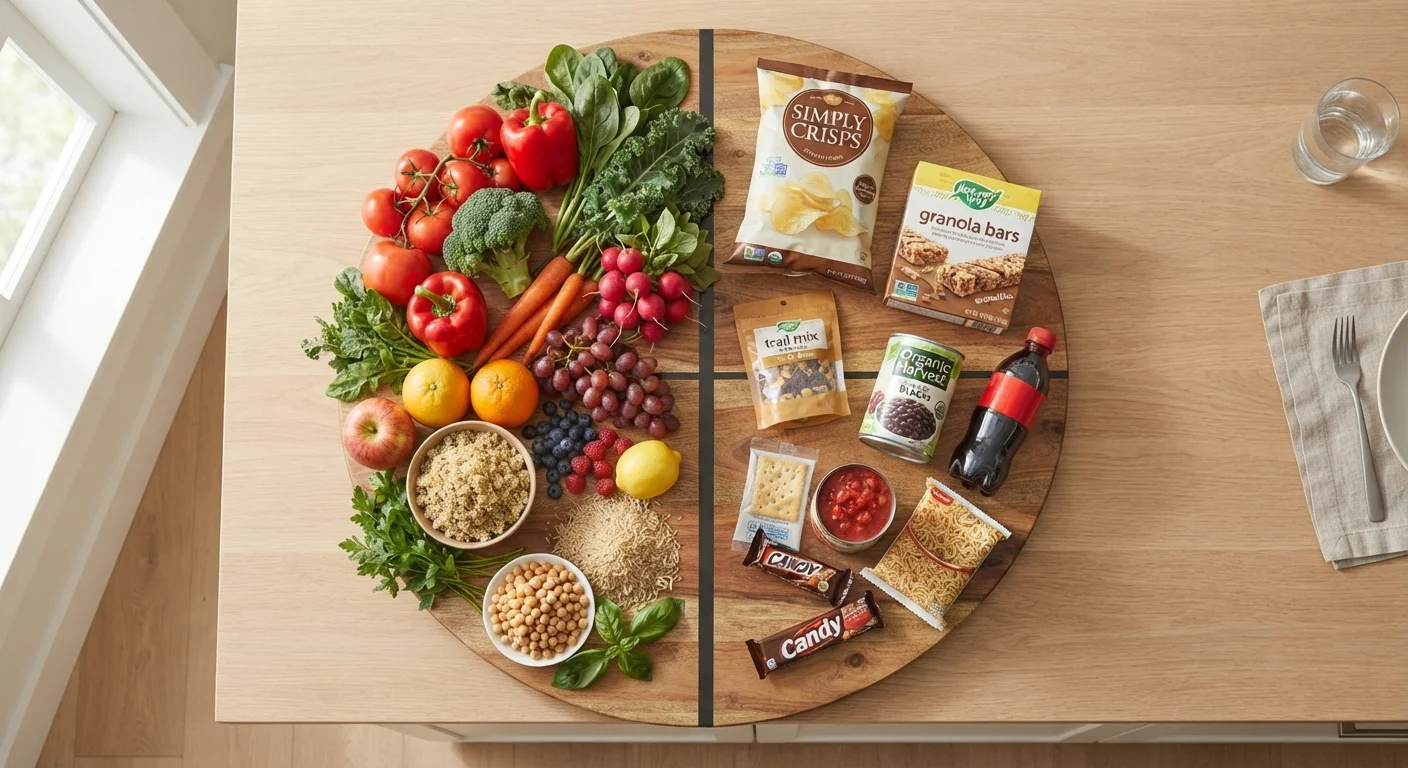
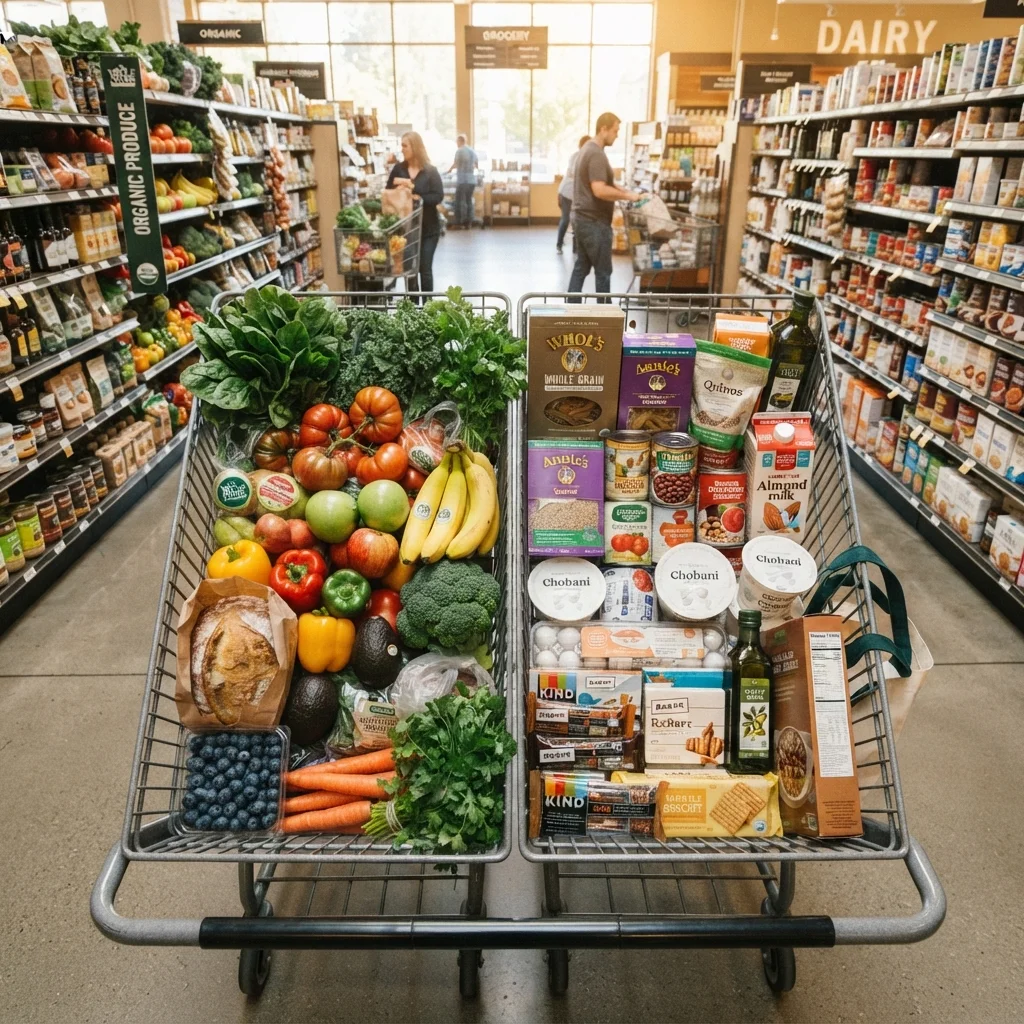
Most people who want to eat better genuinely try at the grocery store. They reach for the multigrain bread, toss in a bag of frozen vegetables, maybe swap soda for sparkling water. And yet, weeks later, the eating habits haven't shifted much. The problem usually isn't motivation - it's that a handful of common, low-visibility shopping habits quietly work against nutrition goals before you even get home.
Understanding why these patterns happen is just as useful as knowing what to fix. If you've ever wondered why your grocery haul doesn't seem to reflect what you intended, the mistakes below are worth a close look. And if the broader habit-formation side of this resonates, why new habits tend to collapse early is worth exploring alongside this.
Shopping without a list or a loose plan for the week's meals.
Why it happens: Most people assume they'll remember what they need - or decide in the moment. But in-store decision-making is heavily influenced by product placement, hunger, and marketing, none of which align with nutrition goals.
Shopping hungry, which reliably skews choices toward calorie-dense, heavily marketed items.
Why it happens: When blood sugar is low, the brain prioritizes quick energy, making high-sugar and high-fat products more appealing. Research has shown that hungry shoppers consistently add more indulgent items to their carts.
Relying on front-of-package health claims rather than the Nutrition Facts panel.
Why it happens: Labels like 'multigrain,' 'low-fat,' or 'natural' feel like shortcuts for busy shoppers, and food manufacturers invest heavily in making these terms prominent. Many consumers understandably treat them as vetted health indicators.
Buying produce you don't have a realistic plan to use before it spoils.
Why it happens: Fresh vegetables feel like a commitment to healthy eating, so people buy more than they'll realistically cook. Busy weeks, unfamiliar prep methods, and decision fatigue at dinner time all contribute to wasted produce.
Overlooking beverages as a significant source of added sugars and empty calories.
Why it happens: Drinks are often mentally categorized separately from food, so their caloric and sugar content doesn't register the same way. Even 'health' drinks like flavored waters, smoothies, and juices can contain substantial added sugars.
Reading Labels More Carefully
Front-of-package claims are marketing, not nutrition summaries. Words like natural, light, multigrain, and made with real fruit are largely unregulated or loosely defined by the FDA, meaning they signal very little about actual nutrient content. Flipping to the Nutrition Facts panel and the ingredients list gives you the real picture.
~73%
Adults who read nutrition labels inconsistently
According to FDA consumer research, fewer than a third of U.S. adults report consistently using the Nutrition Facts label when purchasing packaged foods.
17+ tsp
Average daily added sugar intake in the U.S.
The CDC reports that Americans consume roughly 17 teaspoons of added sugar daily on average - well above the American Heart Association's recommended limit of 6-9 teaspoons.
A few things worth checking: the serving size (which is often smaller than what you'd actually eat), the added sugars line - distinct from naturally occurring sugars - and where refined grains or added oils appear in the ingredient list. The difference between whole and processed foods isn't always obvious from packaging alone, but the ingredients list usually tells the story clearly.
Fiber content is another overlooked marker. Most Americans fall well short of recommended daily fiber intake, and many products marketed as "healthy" contain very little. For a deeper look at why fiber matters and where to find it reliably, see our piece on closing the fiber gap.
"Low-Fat" Doesn't Mean Low-Sugar
Products reformulated to be low in fat often compensate with added sugars to maintain palatability. This trade-off can make a product appear healthier on one dimension while adding hidden sugar intake. Always check both the fat and added sugars lines when evaluating packaged food - one number alone doesn't tell the full story.
None of this requires memorizing nutrition science. Building a habit of checking two or three data points - serving size, added sugars, fiber - before buying a packaged product puts you ahead of most shoppers. And if budget is part of the equation, eating nutritiously on a budget is entirely achievable with the right approach.
This article is for general informational and educational purposes only and is not a substitute for professional medical or dietary advice. Consult a registered dietitian or qualified healthcare provider for guidance specific to your health needs.