What These Terms Actually Mean
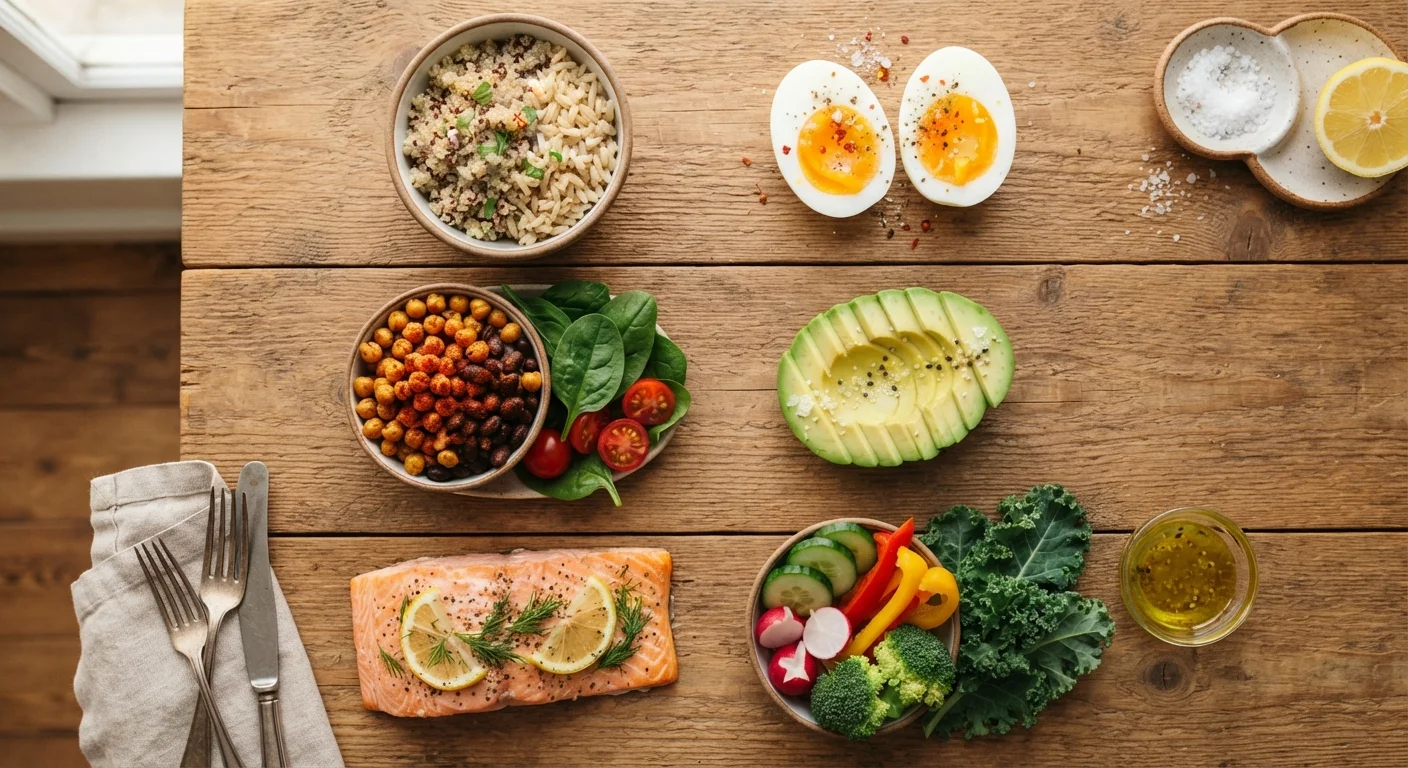
"Whole foods" and "processed foods" sound straightforward, but the definitions are more layered than most people realize. A whole food is generally understood as something that is close to its natural state - think an apple, a raw walnut, or a chicken breast. It hasn't been significantly altered from how it exists in nature, and it retains its original nutritional profile.
Processed foods, by contrast, cover nearly everything that has been changed from its natural state in some way. That includes plain frozen spinach (blanched and frozen), pasteurized milk, and whole-grain bread - as well as sugar-laden breakfast cereals and fast-food items. The word "processed" spans an enormous range.
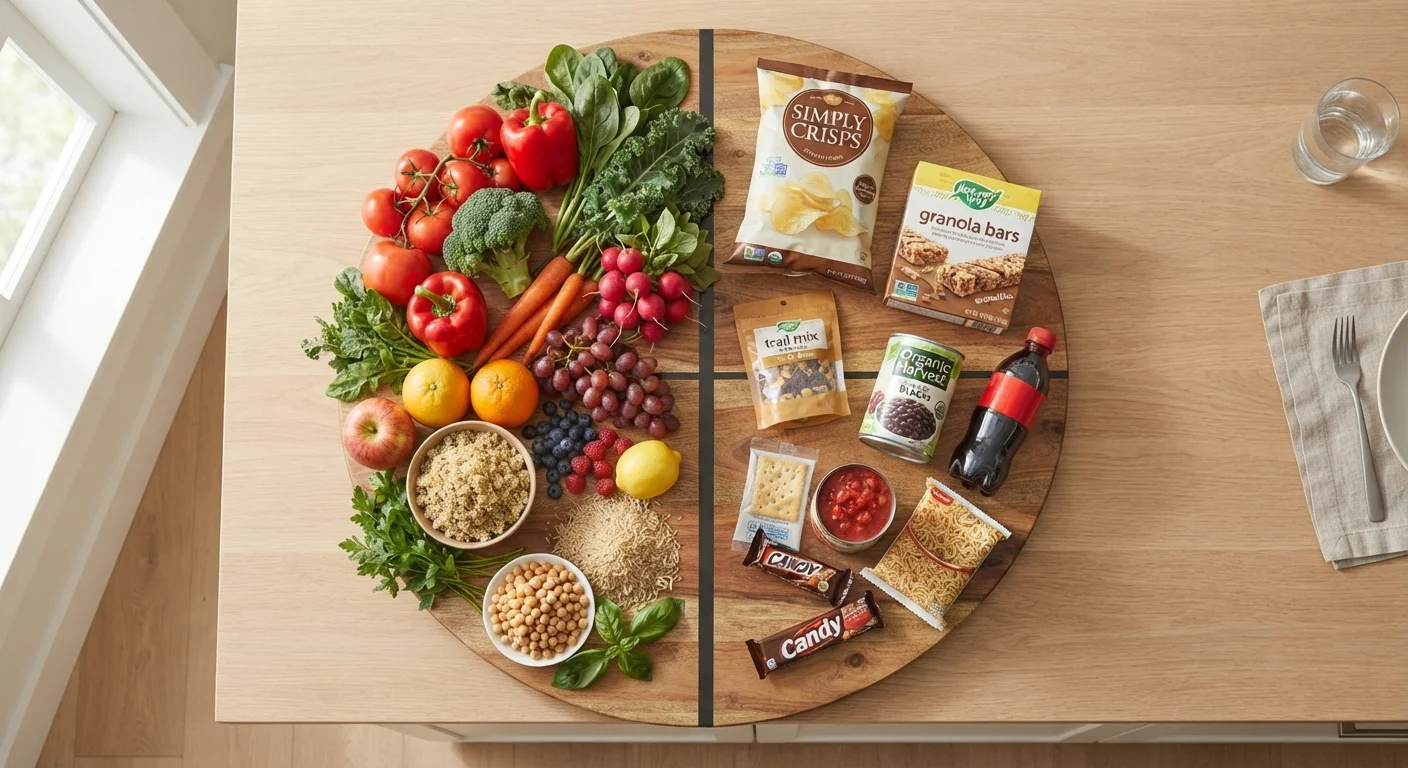
Nutrition researchers often use a system called NOVA, developed at the University of São Paulo, to categorize foods by their degree of processing. NOVA identifies four groups: unprocessed or minimally processed foods (vegetables, eggs, plain meat), processed culinary ingredients (oils, flours, salt), processed foods (canned fish, cheese, cured meats), and ultra-processed foods (packaged snacks, sodas, reconstituted meat products). The distinction between lightly processed and ultra-processed is where health research finds the most meaningful differences. For more on how individual nutrients fit into this picture, see our breakdown of macronutrients.
How Processing Affects Nutritional Value
Processing doesn't automatically strip a food of its value. Freezing vegetables shortly after harvest can actually preserve vitamins better than fresh produce that's been sitting in transit for days. Fermentation - a form of processing - produces foods like yogurt and kimchi that have their own nutritional benefits.
Where processing more consistently reduces nutritional quality is in the ultra-processed category. Refining whole grains into white flour removes much of the fiber and B vitamins (some are added back in enriched products, but not always to the same degree). Adding large amounts of sugar, salt, saturated fat, and various additives to create shelf-stable, palatable products tends to push the final food toward higher caloric density and lower micronutrient density.
| Criterion | Whole Foods | Ultra-Processed Foods |
|---|---|---|
| Fiber content | Naturally high | Often low or removed |
| Added sugars | None | Frequently high |
| Sodium | Naturally low | Often high |
| Micronutrient density | Generally high | Variable; often low |
| Shelf life | Short to moderate | Long |
| Convenience | Requires preparation | Ready-to-eat or quick |
| Cost per serving | Variable; can be high | Often lower |
Research published in journals including The BMJ and JAMA Internal Medicine has associated diets high in ultra-processed foods with increased risk of certain chronic conditions, though these studies are largely observational and cannot establish direct causation. The overall dietary pattern - not any single food - remains the strongest predictor of long-term health outcomes, according to guidance from institutions like the National Institutes of Health (NIH).
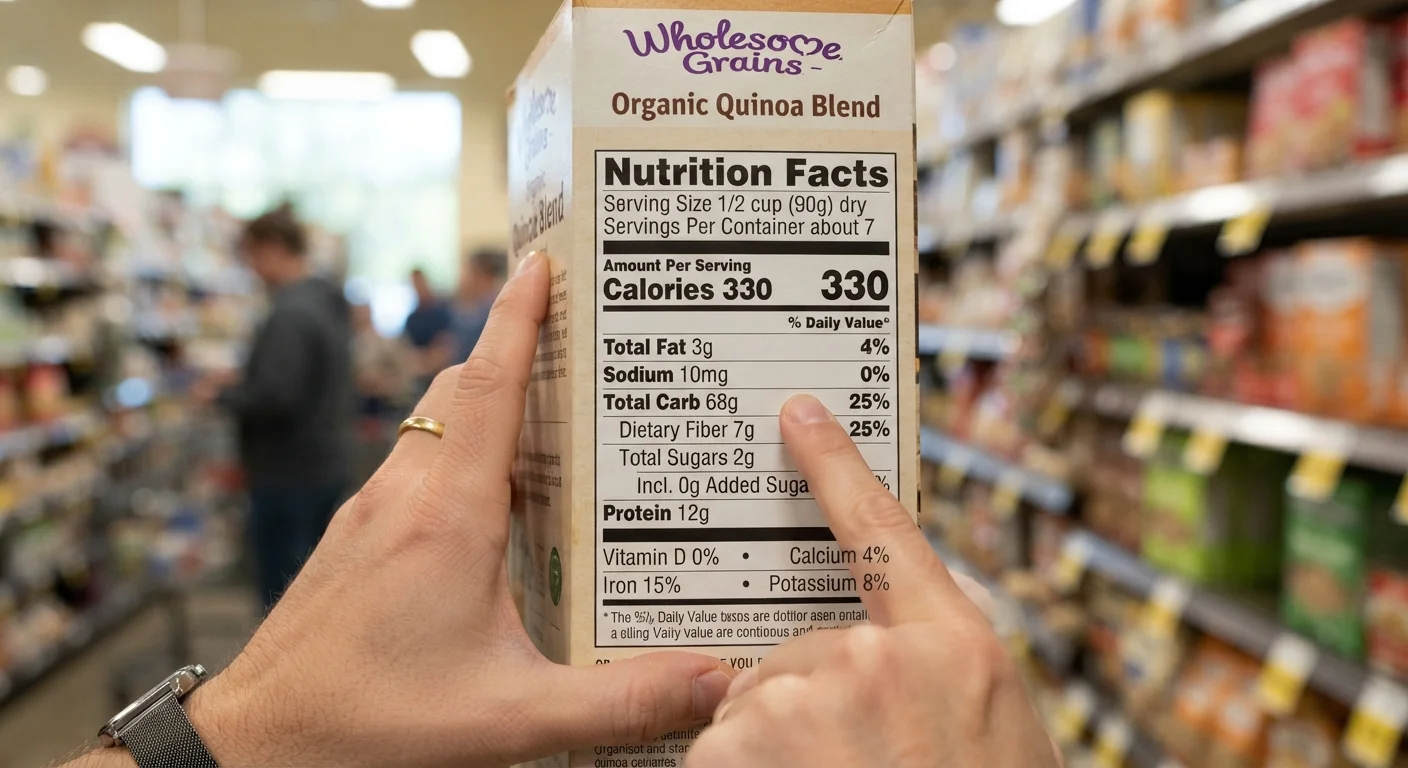
Learning to read a nutrition facts label is one of the most practical tools for understanding what a processed food actually contains.
Practical Ways to Think About Your Own Diet
Rather than labeling foods as "good" or "bad," a more useful framing is to think about where the majority of your meals fall on the processing spectrum. Nutrition guidance from the U.S. Dietary Guidelines Advisory Committee consistently recommends emphasizing vegetables, fruits, whole grains, legumes, and lean proteins - all of which are whole or minimally processed - while limiting foods high in added sugars, saturated fats, and sodium, which tend to be concentrated in ultra-processed products.
Minimally Processed Foods Are Not the Enemy
Pasteurized milk, plain yogurt, canned tomatoes, and frozen vegetables are all technically processed - yet they appear regularly in evidence-based healthy eating patterns. The key distinction is between light processing that preserves or adds minimal ingredients and ultra-processing that fundamentally restructures a food with additives, colorings, and flavor enhancers. When in doubt, a short, recognizable ingredient list is a useful signal that a product sits closer to the minimally processed end of the spectrum.
That said, whole foods aren't a perfect catch-all either. A diet built entirely on whole foods can still be unbalanced if it lacks variety or misses key nutrients. And some people have legitimate access, budget, or time constraints that make minimally processed staples the most realistic cornerstone of their diet. Canned beans, frozen fish fillets, and plain rolled oats are all processed - and all nutritionally sound choices.
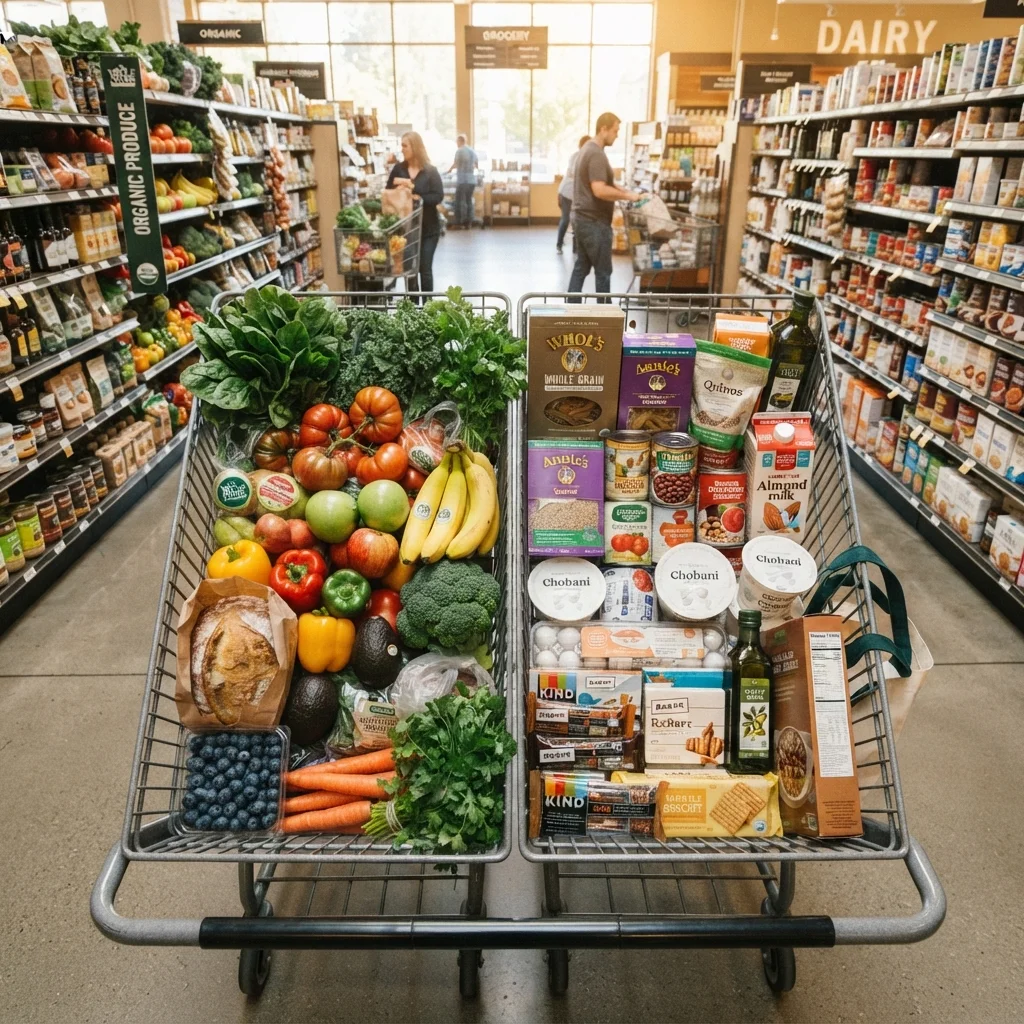
The practical goal for most people is a diet weighted toward whole and minimally processed foods, with ultra-processed items as occasional rather than habitual choices. If you've noticed a gap between what you buy and what supports your goals, our piece on common grocery habits that undermine nutrition offers a useful reality check. And if you're curious how different eating patterns handle this balance, popular eating patterns each have their own trade-offs worth understanding.
This article is for general informational purposes only and is not a substitute for personalized medical or nutrition advice. If you have specific health concerns or dietary needs, please consult a qualified healthcare professional or registered dietitian.