
Why Fluid Intake Is Part of Your Nutrition Picture
Most people think about nutrition in terms of food - carbs, protein, vegetables, fiber. But what you drink plays a surprisingly direct role in how your body processes all of those things. Fluids are the medium through which nutrients travel, get absorbed, and are put to work.
Water makes up roughly 60% of the human body and is involved in virtually every metabolic function, from breaking down food in the digestive tract to carrying vitamins and minerals through the bloodstream. Without adequate hydration, these processes slow down - even if your diet is otherwise solid.
Understanding this connection doesn't require memorizing biochemistry. It just means recognizing that your cup and your plate are part of the same system. For a plain-language breakdown of what your food is actually doing, see our guide to macronutrients explained.
~60%
Water content of the average adult human body
The U.S. Geological Survey and basic physiology references consistently cite water as comprising roughly 60% of body weight in adults, underscoring its role in every biological process.
Up to 75%
Americans who may be chronically mildly dehydrated
Various public health surveys have suggested that a significant portion of American adults don't meet general daily fluid intake recommendations, though estimates vary by methodology.
~2.7-3.7L
Daily fluid intake recommended by the National Academies
The National Academies of Sciences, Engineering, and Medicine set adequate intake at about 2.7 liters per day for women and 3.7 liters for men, including fluids from all food and drink sources.
How Different Drinks Interact With Nutrient Absorption
Not all beverages affect your body the same way when it comes to nutrition.
- Water: The gold standard. It supports digestion, helps dissolve water-soluble vitamins like B vitamins and vitamin C, and aids the kidneys in filtering waste. It contributes no calories or competing compounds.
- Coffee and tea: In moderate amounts, these don't significantly impair hydration for most healthy adults. However, tannins in tea can reduce iron absorption when consumed alongside iron-rich meals - a consideration worth noting if your iron levels are a concern.
- Sugary drinks: Sodas and sweetened beverages provide fluid but come packaged with added sugars that can affect blood sugar balance and crowd out more nutritious choices. They don't meaningfully support nutrient transport.
- Alcohol: Acts as a diuretic and can impair absorption of B vitamins, zinc, and magnesium. Regular heavy consumption is linked to nutritional deficiencies over time.
- Electrolyte drinks: Useful after intense exercise or in hot climates, these replace sodium, potassium, and other minerals lost through sweat. For sedentary or lightly active days, plain water typically meets the need.
If you're curious about the micronutrients - like iron and zinc - that beverages can affect, our article on vitamins and minerals your body can't make itself goes deeper.
Pair Iron-Rich Foods Thoughtfully With Drinks
If you eat iron-rich foods - like legumes, leafy greens, or fortified cereals - consider what you're drinking alongside them. Tea and coffee contain compounds called tannins and polyphenols that can reduce iron absorption. Pairing these foods with water or a vitamin C-rich beverage instead may help your body absorb more of the iron available. This is especially worth noting for people who rely on plant-based iron sources.
The Thirst-Hunger Confusion: When Dehydration Shapes What You Eat
One of the more overlooked connections between hydration and eating is how dehydration can distort appetite signals. The hypothalamus - the part of the brain that regulates both thirst and hunger - can sometimes send a hunger cue when the body actually needs fluid. This isn't a character flaw or poor willpower; it's physiology.
Mild dehydration can also affect mood and energy, which in turn influences food choices. Research published in public health nutrition literature has noted that low-level dehydration is associated with lower alertness and increased fatigue - states that often drive cravings for quick-energy foods like refined carbs and sugar.
A practical approach: if you feel a sudden or non-meal-related hunger, try drinking a glass of water first and waiting a few minutes. This simple habit can help clarify whether you're genuinely hungry or just thirsty.
This article is for general informational purposes only and is not a substitute for professional medical or dietary advice. Please consult a qualified healthcare provider for guidance specific to your health needs.
Building Hydration Into Your Eating Habits
Good hydration doesn't require a strict schedule or specialty products. Small, consistent habits tend to work better than dramatic overhauls.
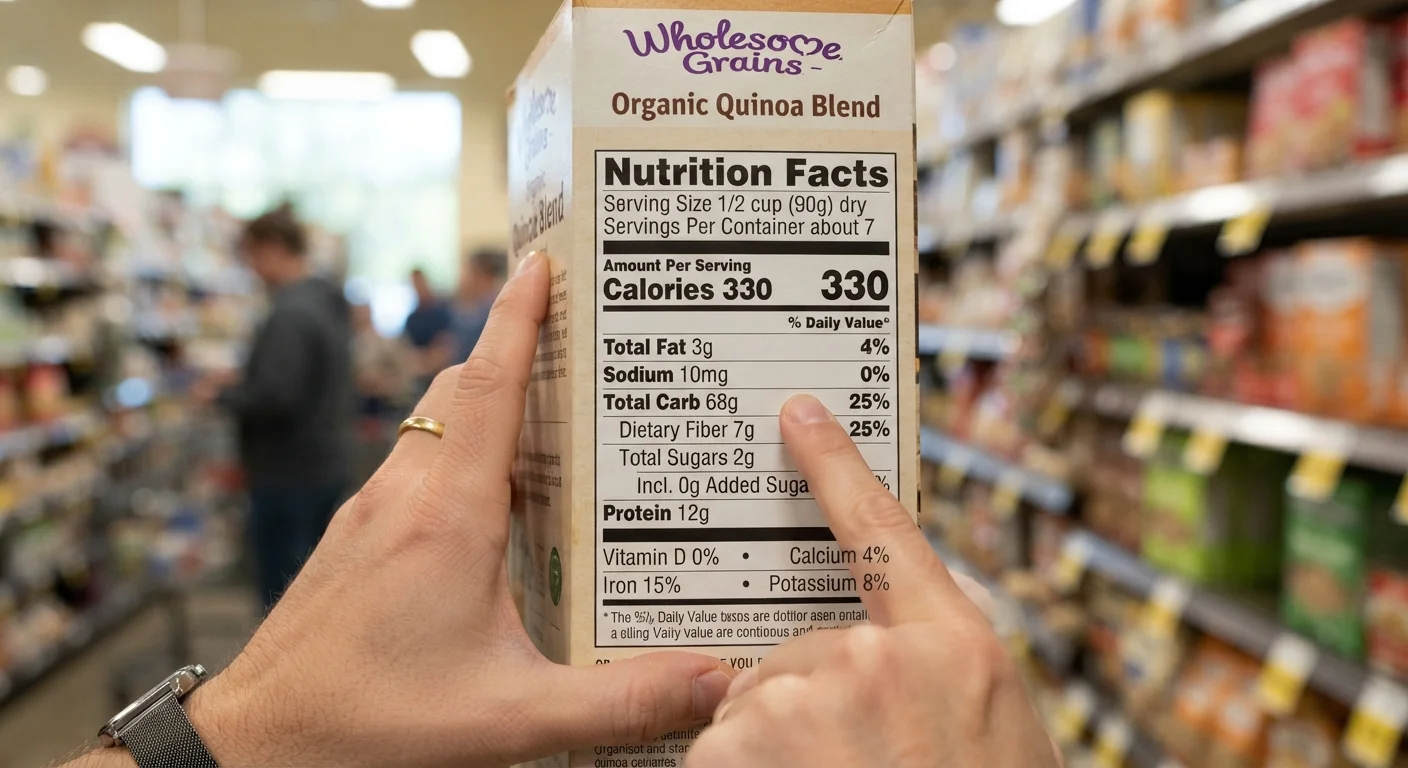
For readers paying closer attention to what's in their food and drinks, learning to read a nutrition facts label can help you spot added sugars and sodium in packaged beverages. And if you follow a specific eating pattern, our look at nutritional trade-offs of popular eating patterns may help you think through how hydration fits your approach.
The main takeaway: your beverage choices are nutritional choices. Water, in most cases, serves your body best - but understanding the full picture helps you make informed decisions rather than following rules that don't fit your life.