
What Are Micronutrients?
If you've heard the term micronutrients and filed it under "things nutritionists care about more than I do," you're not alone. But understanding the basics can genuinely change how you think about your plate - and your energy, mood, and long-term health.
Micronutrients are the vitamins and minerals your body needs to function, but cannot produce in sufficient quantities on its own. Unlike macronutrients like carbs, protein, and fat, micronutrients don't supply energy directly. Instead, they act as the behind-the-scenes operators - enabling enzymes to work, supporting immune defenses, building bone density, and regulating everything from nerve signals to red blood cell production.
The word "micro" refers to the tiny amounts required, not to their importance. A shortfall in even one key micronutrient can affect how you feel and function day to day.
Micronutrients
Vitamins and minerals required by the body in small amounts to support essential functions. Unlike macronutrients, they don't provide calories but are indispensable for health.
Fat-Soluble Vitamins
Vitamins A, D, E, and K, which dissolve in fat and are stored in body tissues. Because they accumulate, excessive intake from supplements can be harmful.
Water-Soluble Vitamins
Vitamins that dissolve in water - primarily the B vitamins and vitamin C. The body doesn't store significant amounts, so regular dietary intake is important.
Trace Minerals
Minerals needed in very small quantities (micrograms to low milligrams) but still essential for health. Examples include iron, zinc, iodine, and selenium.
Antioxidant
A compound that helps protect cells from damage caused by unstable molecules called free radicals. Several vitamins and minerals - including vitamins C, E, and selenium - function as antioxidants.
Bioavailability
The proportion of a nutrient that is actually absorbed and used by the body. Factors like food preparation, pairing foods, and individual health status all influence bioavailability.
Key Vitamins: Fat-Soluble vs. Water-Soluble
Vitamins fall into two broad categories, and the distinction matters for how your body stores and uses them.
Fat-Soluble Vitamins (A, D, E, K)
These vitamins dissolve in fat and are stored in body tissues and the liver. Because they can accumulate, getting too much from supplements carries real risk - something worth discussing with a healthcare provider before adding high-dose supplements to your routine.
- Vitamin A - Supports vision, immune function, and skin cell turnover. Found in liver, dairy, eggs, and as beta-carotene in orange and leafy vegetables.
- Vitamin D - Critical for calcium absorption and bone health; also plays a role in immune regulation. The skin produces it when exposed to sunlight, but many people in northern climates or with limited outdoor time have lower levels. Food sources include fatty fish and fortified dairy.
- Vitamin E - Acts as an antioxidant, helping protect cells from oxidative stress. Found in nuts, seeds, and vegetable oils.
- Vitamin K - Essential for blood clotting and bone metabolism. Leafy greens like kale and spinach are excellent sources.
Water-Soluble Vitamins (B Complex + C)
These aren't stored in meaningful quantities, so your body needs a regular supply through food. Excess is generally excreted in urine, though very high supplement doses can still cause problems.
- B vitamins (including B6, B12, folate, riboflavin, and others) - Collectively support energy metabolism, nervous system function, and red blood cell formation. B12 deserves special mention for those eating plant-based diets, as it is found almost exclusively in animal products.
- Vitamin C - Supports collagen production, wound healing, and immune function. Citrus fruits, bell peppers, and broccoli are rich sources.
| Total essential vitamins | 13 (National Institutes of Health (NIH)) |
| Fat-soluble vitamins | A, D, E, K |
| Water-soluble vitamins | C and 8 B vitamins |
| Most common deficiency globally | Iron deficiency (World Health Organization (WHO)) |
| Vitamin D - many Americans fall short | ~42% below recommended levels (NHANES data, NIH Office of Dietary Supplements) |
| B12 absorption concern | Declines with age and some medications (NIH Office of Dietary Supplements) |
Essential Minerals: Macro and Trace
Minerals are inorganic elements that your body sources entirely from food and water. They are often grouped by how much you need daily.
Major Minerals
Needed in larger amounts (though still measured in milligrams or grams):
- Calcium - The most abundant mineral in the body; vital for bone and tooth structure, muscle contraction, and nerve signaling. Dairy, fortified plant milks, tofu, and dark leafy greens are solid sources.
- Magnesium - Involved in over 300 enzyme reactions, including muscle and nerve function and blood sugar regulation. Found in whole grains, nuts, seeds, and legumes.
- Potassium - Helps maintain fluid balance and supports heart and muscle function. Bananas, potatoes, beans, and avocado deliver meaningful amounts.
Trace Minerals
Needed in very small quantities, but no less critical:
- Iron - Required for hemoglobin, the protein in red blood cells that carries oxygen. Red meat, lentils, tofu, and fortified cereals are common sources. Pairing plant-based iron with vitamin C improves absorption.
- Zinc - Supports immune function, wound healing, and DNA synthesis. Found in meat, shellfish, legumes, and seeds.
- Iodine - Essential for thyroid hormone production. Iodized salt and seafood are the primary dietary sources for most Americans.
- Selenium - Acts as an antioxidant and supports thyroid function. Brazil nuts are a notably concentrated source.
Getting What You Need - and When to Ask for Help
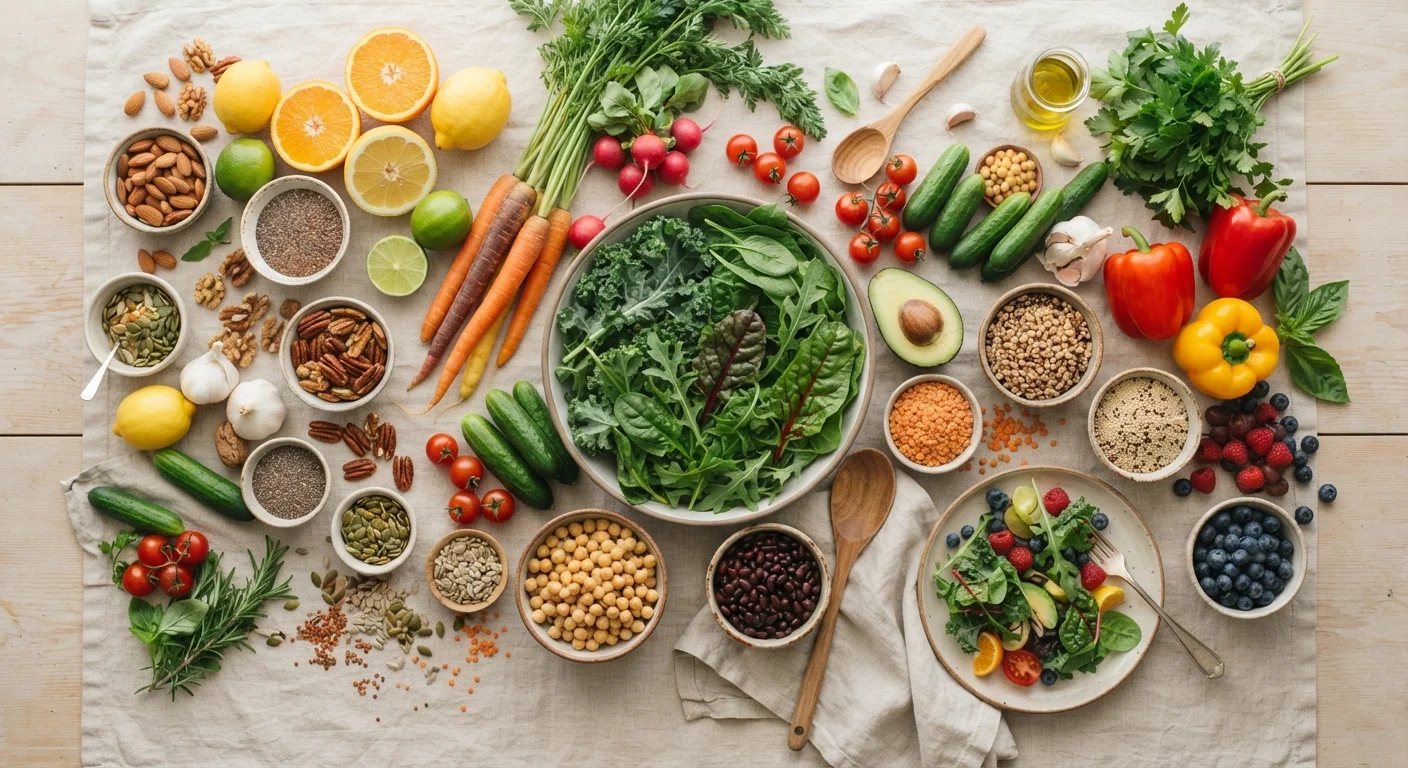
For most healthy adults, a varied diet centered on whole foods - vegetables, fruits, whole grains, legumes, nuts, seeds, and quality protein sources - covers the majority of micronutrient needs without requiring a supplement checklist. That said, certain life stages and circumstances genuinely increase risk of gaps.
Pregnancy, for instance, dramatically raises needs for folate, iron, and iodine. Exclusively plant-based eaters should pay particular attention to B12, vitamin D, iron, zinc, and iodine. Older adults often absorb B12 and calcium less efficiently. And absorption can be influenced by how you eat - including what you drink alongside meals. How and what you drink can affect how your body absorbs nutrients, making overall dietary patterns matter more than any single food or supplement.
If you're concerned about deficiencies or thinking about supplementation, the most useful first step is a conversation with your primary care provider or a registered dietitian. A simple blood panel can identify genuine shortfalls and guide targeted, evidence-based recommendations - far more reliably than guessing from a symptoms list.
Supplements Aren't a Substitute for Food
Whole foods deliver micronutrients alongside fiber, phytonutrients, and other compounds that work together in ways supplements can't fully replicate. Supplements can be useful for specific, identified gaps - particularly during pregnancy or for certain dietary patterns - but they work best as a targeted tool, not a nutritional safety net. A registered dietitian can help you assess what, if anything, you actually need.
This article is for general informational and educational purposes only. It is not a substitute for professional medical advice, diagnosis, or treatment. Always consult a qualified healthcare provider with questions about your nutritional needs or health conditions.