
What Each Path Actually Involves
Choosing how to bring a pet into your home is one of the most consequential early decisions you'll make as an owner. Before comparing the two routes, it helps to understand what each one actually requires — because the differences go well beyond price. See our guide to the lifelong commitment of pet ownership for the broader context around either choice.
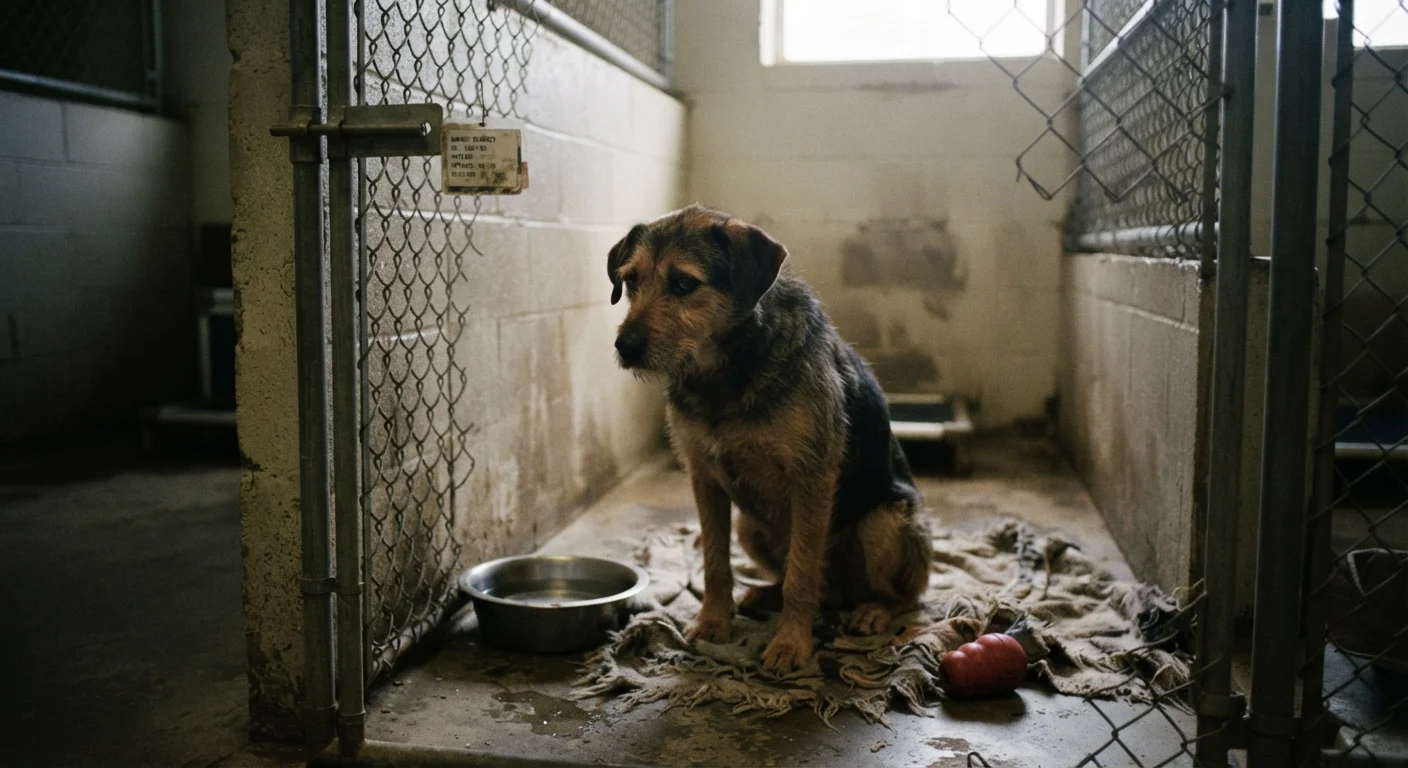
Shelter adoption involves working with a municipal animal control facility, nonprofit rescue organization, or foster-based network to rehome an animal that has been surrendered, stray, or seized. Most shelters conduct intake health exams, core vaccinations, and spay/neuter procedures before adoption. Many also perform basic temperament screening. Adoption fees typically cover a portion of those services.
Purchasing from a breeder involves contracting directly with an individual who deliberately breeds animals, usually within a recognized breed standard. Reputable breeders health-test parent animals for heritable conditions, socialize litters during critical developmental windows, and often provide health guarantees. They should also be willing to take the animal back if you can no longer keep it — a hallmark of ethical practice.
| Criterion | Shelter Adoption | Buying from a Breeder |
|---|---|---|
| Typical upfront cost | $25–$300 (includes basic vet care) | $500–$3,000+ depending on breed |
| Age of animal | All ages; many adults available | Usually puppies or kittens |
| Breed predictability | Often mixed; traits less predictable | High; known lineage and standards |
| Health history | Often limited or unknown | Documented if breeder is reputable |
| Spay/neuter status | Usually completed before adoption | Owner typically arranges separately |
| Wait time | Days to a few weeks | Weeks to over a year for some breeds |
| Ethical vetting required | Assess shelter/rescue practices | Screen breeder health testing rigorously |
Ethical Considerations on Both Sides
The ethical weight of this decision is real, and it runs in both directions. Shelters in the United States euthanize hundreds of thousands of healthy animals annually due to capacity constraints — adoption directly reduces that number. That is not a trivial consideration.
At the same time, condemning all breeders as unethical oversimplifies a complex landscape. Responsible breeders contribute to the health and temperament of breeds over generations through careful genetic selection. The problem is not ethical breeding — it is irresponsible breeding operations that prioritize volume and profit over animal welfare. These so-called "puppy mills" are a legitimate concern, and identifying the difference matters.
How to Identify a Responsible Breeder
A reputable breeder welcomes facility visits, provides verifiable health-test documentation for parent animals, asks prospective owners questions about their lifestyle, and explicitly agrees to take the animal back if circumstances change. Reluctance on any of these points warrants caution. Purchases made through third-party pet stores or online marketplaces without direct breeder access carry significantly higher risk of originating from irresponsible operations.
Understanding why pets are surrendered and what new owners can learn from it is useful here: many surrenders trace back to mismatched expectations — something both paths can help address if approached honestly.
Practical Tradeoffs: Cost, Predictability, and Timeline
Shelter adoption fees typically range from $50 to $300 for dogs and $25 to $150 for cats, though this varies widely by organization and animal age. Breeder prices for purebred dogs commonly range from several hundred to several thousand dollars depending on breed, lineage, and health testing provided. Neither fee represents the true cost of ownership — food, veterinary care, supplies, and emergency expenses begin immediately after acquisition. Our article on hidden costs most first-time owners don't anticipate breaks those down in detail.
~3 million
Dogs and cats adopted from shelters annually in the U.S.
According to the American Society for the Prevention of Cruelty to Animals (ASPCA), approximately 3 million cats and dogs are adopted from U.S. shelters each year.
~6.3 million
Animals entering U.S. shelters each year
The ASPCA estimates around 6.3 million companion animals enter shelters annually, underscoring the ongoing demand for adoptive homes.
Predictability is another honest tradeoff. Mixed-breed shelter animals — particularly those adopted as adults — may have unknown histories that affect behavior, health, or both. That uncertainty is real. Purebred animals from tested parents offer much more consistent trait prediction. However, pedigree does not guarantee perfect health or temperament; environmental factors and individual variation always play a role.
Timeline differs too. Shelter adoptions can sometimes be completed within days; breeder waitlists for popular breeds can extend six months to a year or more. If you're assessing your readiness honestly before committing, the pre-ownership readiness checklist is a practical tool regardless of which path you pursue.
This article provides general educational information about pet acquisition options and is not a substitute for guidance from a veterinarian or animal behaviorist. Individual animals and circumstances vary — always research thoroughly and consult qualified professionals before making decisions.