
Why Some Savings Habits Actually Compound
Compounding is usually discussed in terms of interest — money earning returns on previous returns. But the same logic applies to habits. A behavior that runs quietly in the background, repeating consistently, produces outcomes that grow larger over time with minimal ongoing effort. A behavior that demands constant attention but produces no structural change is just noise.
For young homeowners juggling mortgage payments, maintenance costs, and everyday expenses, the distinction matters. Time and attention are limited resources. The question isn't whether you care about saving — it's whether the habits you've built are actually doing the work. Understanding your savings rate and what drives it is a useful starting point before evaluating any specific habit.
Automate savings transfers to run on payday, before discretionary spending begins
When savings are transferred automatically the moment income arrives, you never have the chance to spend that money first. This removes reliance on willpower and makes saving the default behavior rather than an afterthought.
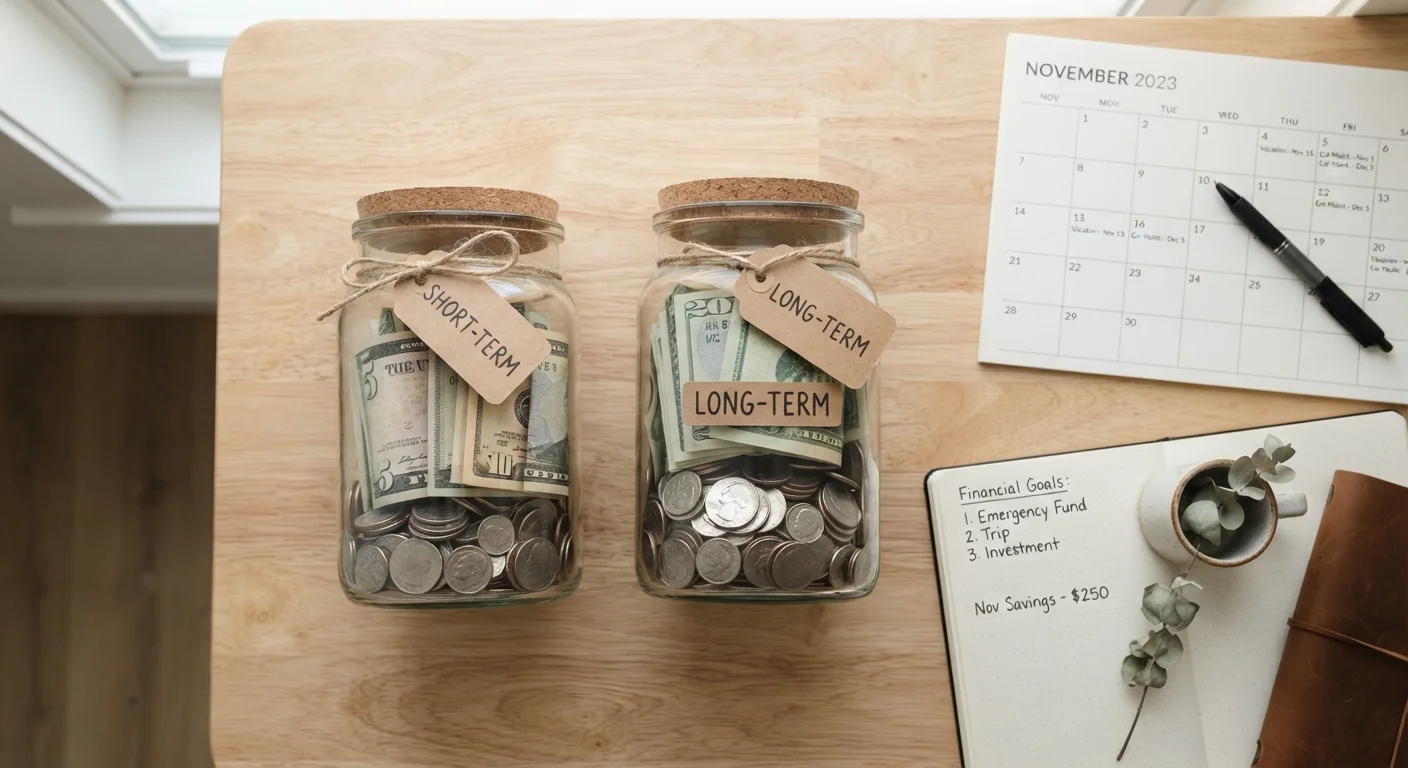
Label savings accounts by goal rather than leaving funds in a single pool
Named, purpose-specific accounts make it psychologically harder to raid savings for unrelated purchases. They also provide a clearer picture of progress toward each individual goal.
Increase your savings rate by one percentage point each year rather than waiting for a large raise
Gradual rate increases are less noticeable in day-to-day spending but accumulate significantly over time. Tying increases to the calendar rather than a salary milestone ensures they actually happen.
Schedule a single monthly savings review rather than tracking balances daily
Frequent monitoring creates emotional noise without producing meaningful financial change. A structured monthly review is enough to catch problems, confirm automation is working, and make deliberate adjustments.
Direct any income increase — even a small one — to savings before adjusting your lifestyle
Lifestyle inflation silently absorbs raises and bonuses before they can build financial momentum. Routing new income to savings first locks in the gain before spending patterns adjust.
Habits That Build Real Momentum
The following practices share a common structure: they remove friction, reduce decisions, and keep working even when your motivation dips. That's what makes them durable.
Automation is the single highest-leverage move most people haven't fully implemented. Setting up a recurring transfer from checking to a dedicated savings account on payday — before discretionary spending starts — removes the choice entirely. Our guide on how savings automation actually works walks through the account structure and timing details worth getting right.
Equally important is separating savings by purpose. Keeping emergency funds, home repair reserves, and longer-term goals in the same account creates confusion and makes it easier to rationalize spending. Structuring money by time horizon is a practical framework for this, and many banks allow multiple labeled sub-accounts at no cost.
Habits That Only Feel Productive
Not every savings behavior produces savings. Some create a convincing sense of progress while the underlying numbers stay flat.
Checking your balance repeatedly is the most common example. Monitoring your account daily can feel like stewardship, but it doesn't change what's in it. Unless you're catching fraud or reconciling a transaction, frequent balance-checking is attention without action.
Micro-optimizing subscriptions without addressing rates is another. Canceling a $12 streaming service feels decisive, but if your savings rate hasn't moved in a year, the problem isn't the subscription — it's the absence of a consistent mechanism moving money into savings regardless of spending behavior. The fundamentals of budgeting can help clarify where money actually goes before zeroing in on small cuts.
Saving windfalls but not income creates a psychological trap. Tax refunds, bonuses, and gifts feel like "free" money to save, and directing them toward savings isn't wrong — but it can mask the absence of a regular habit. Windfalls are irregular; a sustainable savings practice has to be built on consistent income flow.
Windfalls Help — But Aren't a Strategy
Directing a tax refund or year-end bonus to savings is genuinely useful, especially for goals like a home repair fund. The issue arises when windfalls become the primary savings mechanism. Because they're unpredictable, building a plan around them means your savings progress is unpredictable too. Use windfalls to accelerate a habit that already exists, not to substitute for one.
How to Adjust Without Starting Over
Most people don't need a financial overhaul — they need a few structural shifts. Start by auditing what's actually automatic in your current setup versus what depends on a monthly decision or burst of motivation. If saving requires you to remember, it's fragile.
From there, even a modest automated contribution — set at a percentage of income rather than a flat dollar amount — scales naturally as earnings grow. Increasing that rate by one percentage point annually is more sustainable than dramatic pledges that fade. This is closely related to why common savings myths keep people stuck: the belief that you'll save more later, once conditions improve, rarely plays out.
Finally, a monthly check-in — not daily — is the right cadence for most people. Use it to verify that automated transfers ran, confirm your goal balances are growing, and make one adjustment if needed. More frequent reviews tend to produce anxiety, not insight. For a parallel view of how consistency compounds in other domains, the habits covered in self-improvement routines that hold up across life stages follow the same logic.
This article is for general informational and educational purposes only and does not constitute personalized financial advice. Consult a qualified financial professional before making decisions specific to your situation.