What Each Approach Actually Involves
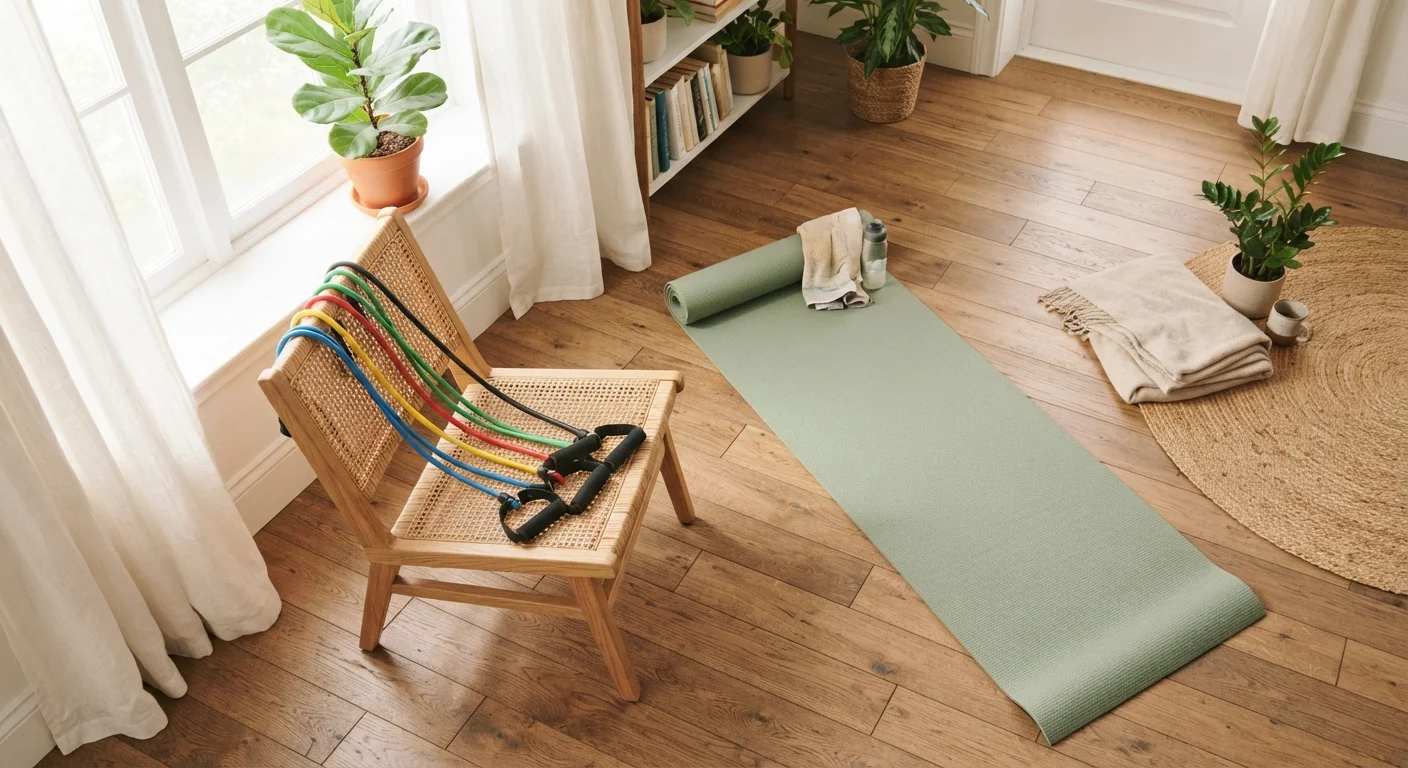
Resistance bands are elastic loops or tubes that create tension against your movement. They come in varying levels of resistance - typically color-coded from light to heavy - and can be used to mimic many machine or free-weight exercises, such as rows, chest presses, and lateral raises. They're inexpensive compared to traditional gym equipment and take up virtually no space.
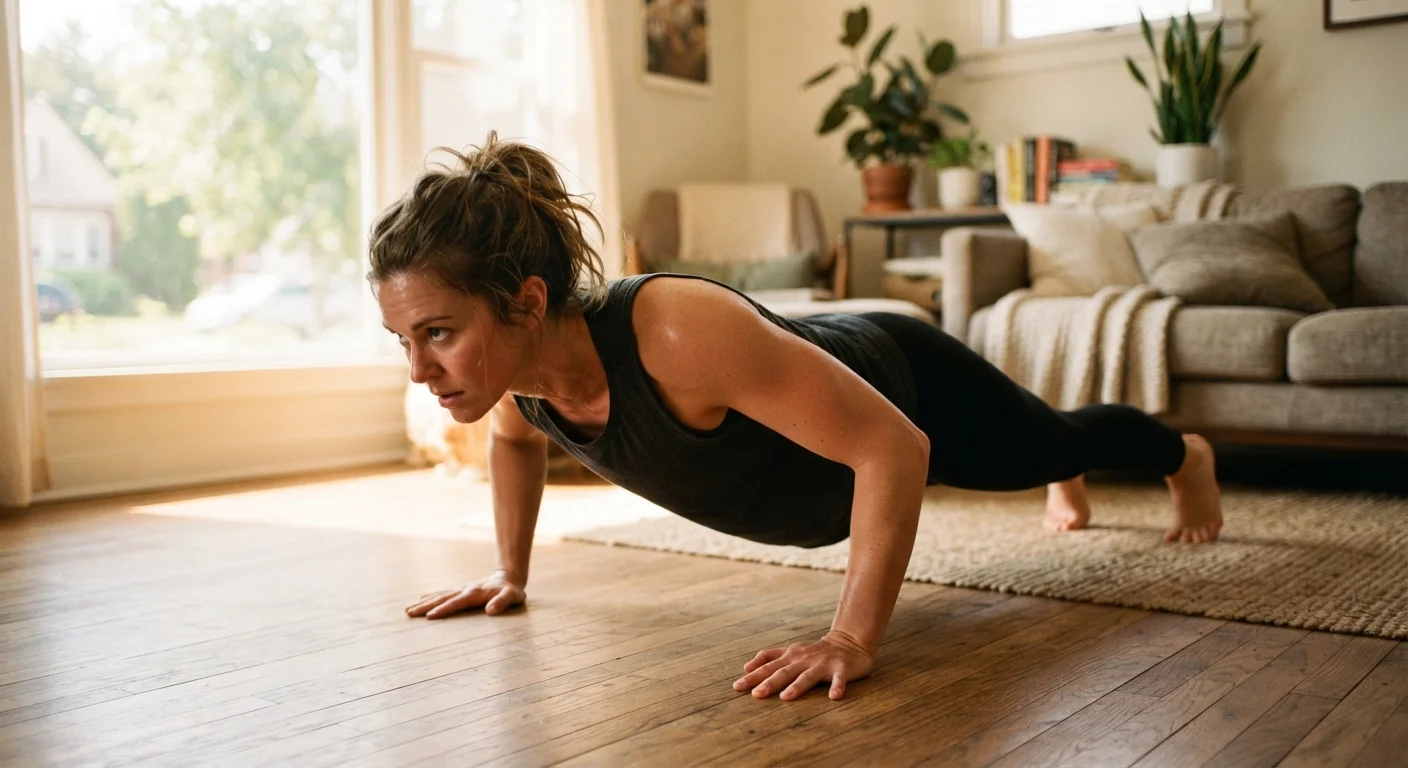
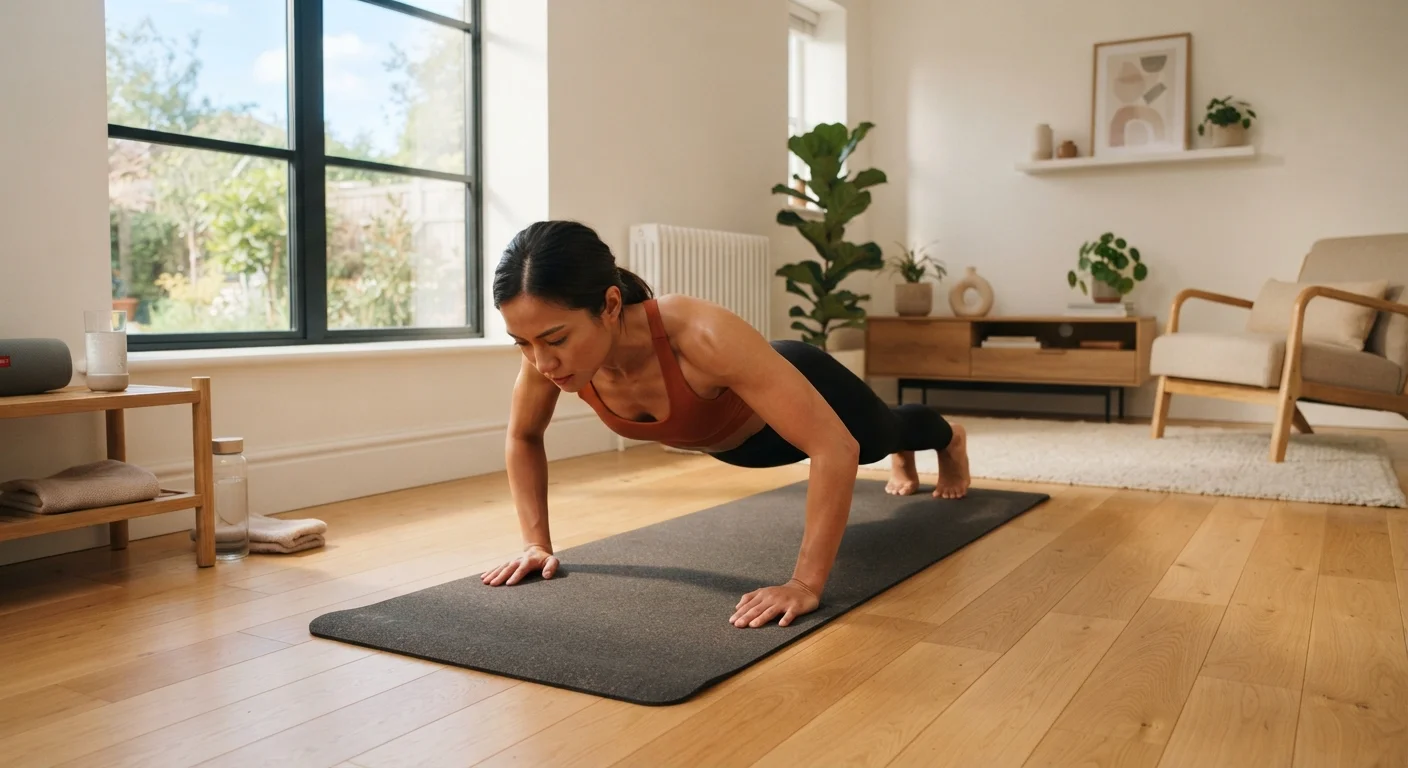
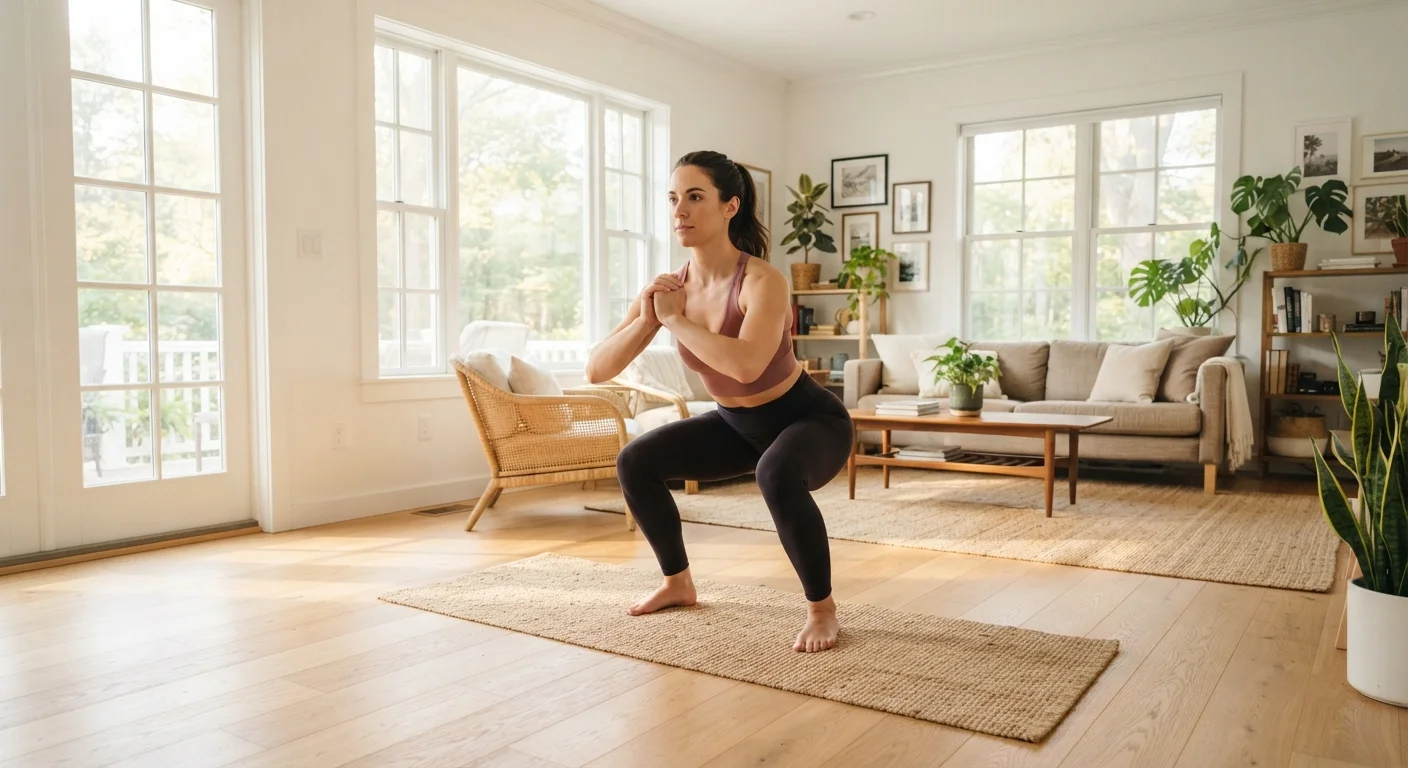
Bodyweight training uses your own body mass as the load. Exercises like push-ups, squats, glute bridges, and planks have been used for strength conditioning for decades and are backed by substantial research supporting their effectiveness for muscular endurance and functional fitness. No purchase is required - just floor space.
Understanding what progressive overload means and why it matters is key to getting the most out of either method, since that's the principle behind continued improvement over time.
Head-to-Head: How They Compare
Looking at the two side by side helps clarify where each one excels - and where it has limitations.
| Criterion | Resistance Bands | Bodyweight Training |
|---|---|---|
| Upfront cost | Low (typically $10-$40 for a set) | Free |
| Equipment needed | Bands (and optional anchor) | None |
| Portability | Fits in a small bag | Goes everywhere you do |
| Progressive overload | Easy - switch to heavier band | Requires technique progression |
| Exercise variety | High, including pulling movements | High, but limited pulling options |
| Joint-friendliness | Generally low-impact | Generally low-impact |
| Learning curve | Mild - form cues still matter | Low - intuitive movement patterns |
One distinction worth highlighting: bodyweight training can feel limiting once you reach a certain strength level, since adding difficulty requires technique changes (like progressing from a standard push-up to an archer push-up). Bands, on the other hand, make it straightforward to dial up resistance without changing the movement pattern - a meaningful advantage for steady progression.
The Case for Starting With Bodyweight
If you're newer to structured exercise, bodyweight training provides an excellent foundation. It teaches your body to move well - building coordination, joint stability, and body awareness - before adding external load. Research consistently shows that bodyweight exercises performed at adequate intensity can improve muscular strength and cardiovascular health in adults who are new to training.
The accessibility factor is also hard to overstate. You can do a meaningful bodyweight session in a hallway, your bedroom, or even your backyard. For ideas on making the most of small indoor spaces, floor space is all you need for effective bodyweight strength moves.
≈2x/week
Minimum strength training recommended for adults
The CDC recommends adults engage in muscle-strengthening activities involving all major muscle groups on two or more days per week.
~$15-$40
Typical cost of a resistance band set
A basic set of looped or tube resistance bands is one of the most affordable pieces of fitness equipment widely available, according to consumer health outlets.
When Resistance Bands Earn Their Place
Bands shine when you want to keep challenging your muscles without investing in a weight rack. They also support a wider variety of movement angles than bodyweight alone - particularly for the upper back and shoulders, where pulling exercises (rows, face pulls) are difficult to replicate without equipment.
For busy homeowners trying to fit training into an already full week, bands offer flexibility: a 20-minute band circuit in the living room can cover most major muscle groups effectively. See how to structure that kind of session in our guide to building a weekly exercise routine around a homeowner's schedule.
Not a Fan of Traditional Exercise?
Structured workouts aren't the only path to an active lifestyle. If bands and bodyweight routines don't appeal to you, everyday movement - yard work, active chores, dancing - genuinely contributes to your overall health. Explore fitness options for people who dislike traditional exercise for alternatives that may fit your life better.
This article is for general informational purposes only and is not a substitute for personalized medical or fitness advice. Consult a qualified healthcare or fitness professional before beginning any new exercise program, particularly if you have an existing health condition or injury.