What Makes a Protein Source 'Good'?
Protein is made up of building blocks called amino acids. Of the 20 amino acids your body uses, nine are considered essential - meaning your body cannot produce them on its own and must get them from food. A protein source that contains all nine in adequate amounts is called a complete protein.
Beyond amino acid completeness, two other factors matter: bioavailability (how efficiently your body absorbs and uses the protein) and nutrient density (what other vitamins, minerals, or beneficial compounds come along for the ride). Thinking about protein this way - rather than just grams per serving - gives you a fuller picture when comparing options.
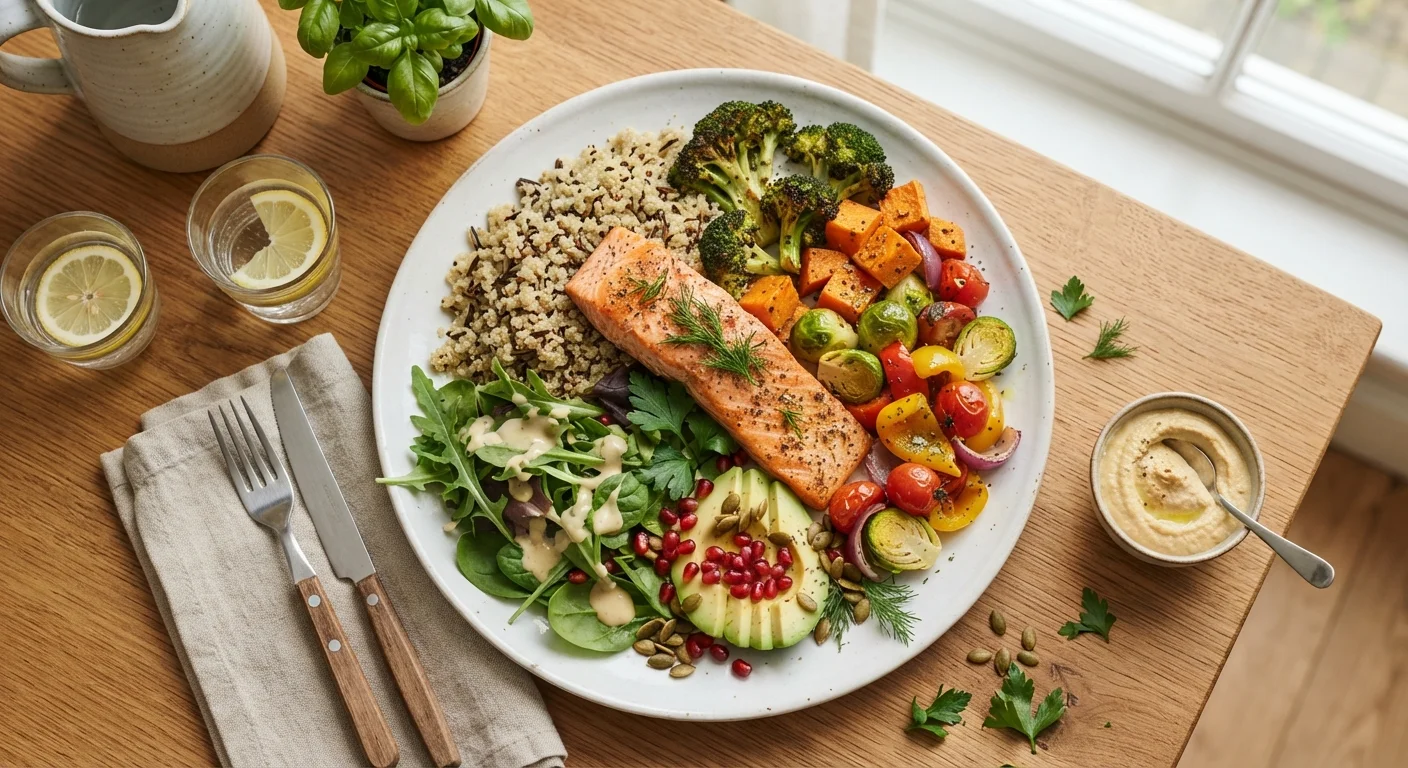
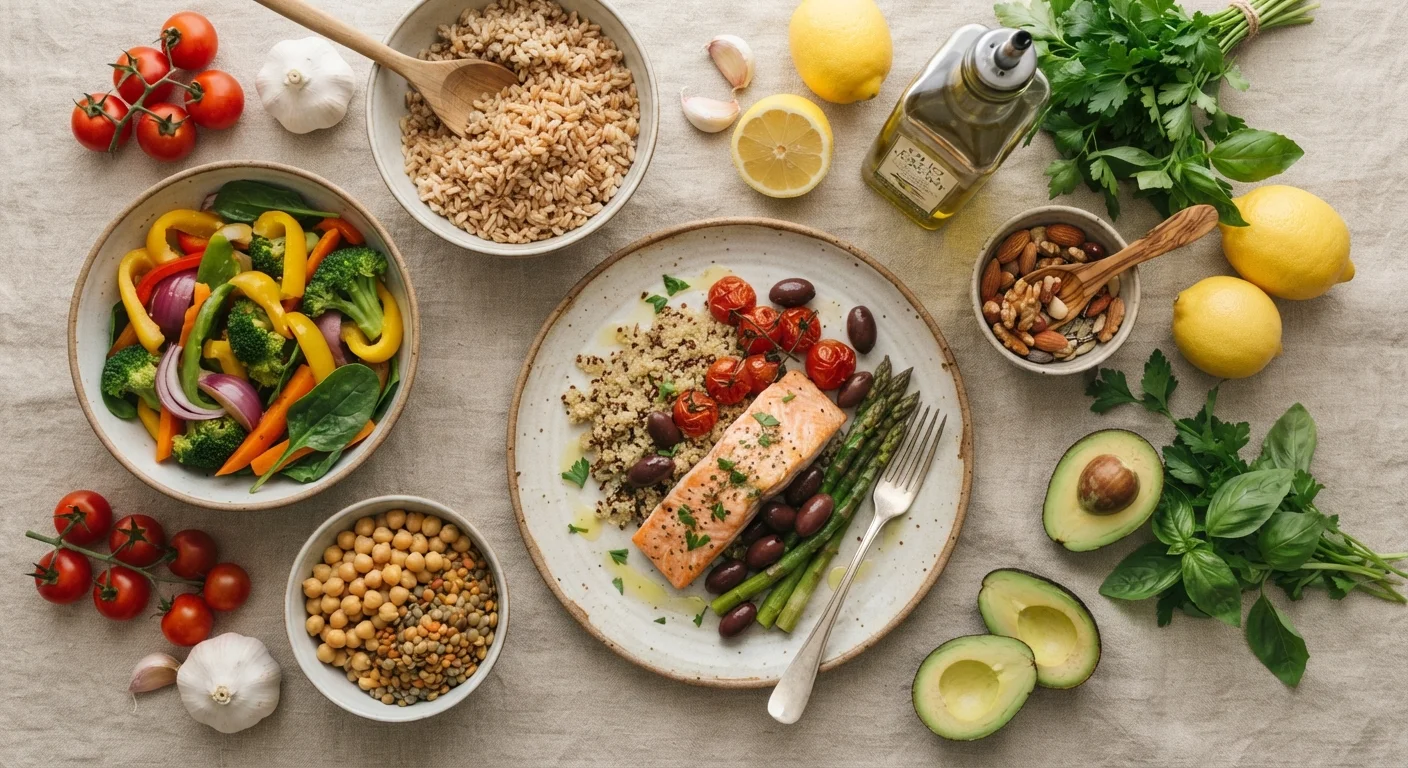
For context on how protein fits into your overall eating pattern, see our practical framework for building balanced meals.
Animal Proteins: Complete but Not All Equal
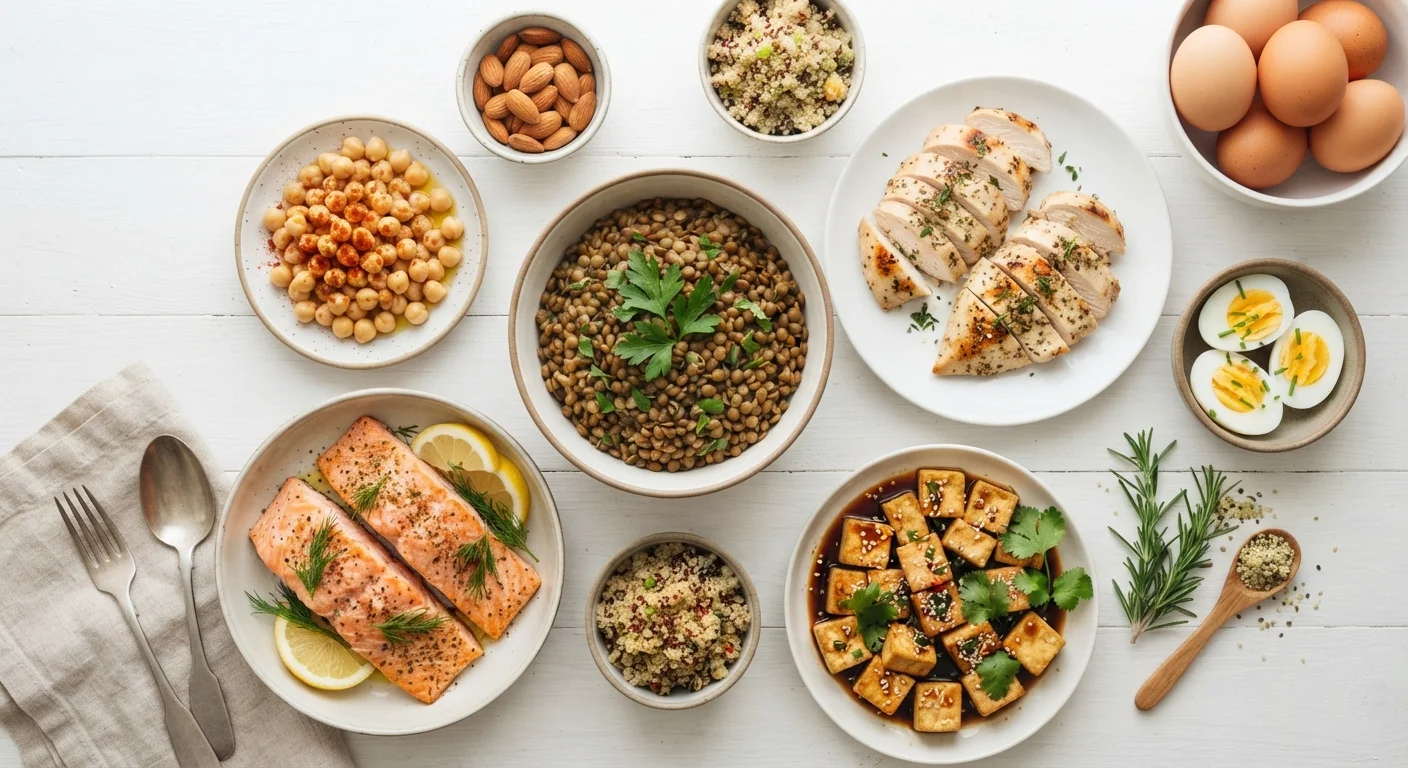
Animal-based foods - meat, poultry, fish, eggs, and dairy - are all complete proteins. But they vary meaningfully in their additional nutritional contributions.
- Chicken breast and turkey: Lean, high-protein options with minimal saturated fat. Versatile and widely accessible.
- Eggs: Often cited by nutrition researchers as a highly bioavailable protein. They also deliver choline, B vitamins, and healthy fats - all in one compact package.
- Fatty fish (salmon, sardines, mackerel): Provide complete protein alongside omega-3 fatty acids, which are associated with heart and brain health according to research published by the NIH.
- Red and processed meats: Complete proteins, but regularly consuming large amounts of processed varieties (like deli meats and sausages) has been associated with certain health risks in large epidemiological studies. Most dietary guidelines suggest moderation.
- Dairy (Greek yogurt, cottage cheese): Good protein density with added calcium and, in fermented forms, beneficial cultures.
| Chicken Breast | Eggs | Salmon | Lentils | Tofu | Greek Yogurt | |
|---|---|---|---|---|---|---|
| Complete protein? | Yes | Yes | Yes | No | Yes | Yes |
| Approx. protein per 100g | ~31g | ~13g | ~25g | ~9g (cooked) | ~8g | ~10g |
| Notable added nutrients | B vitamins, selenium | Choline, B12, healthy fats | Omega-3s, vitamin D | Fiber, folate, iron | Calcium, iron | Calcium, probiotics |
| Saturated fat level | Low | Moderate | Low | Very low | Very low | Low-moderate |
| Plant-based? | No | No | No | Yes | Yes | No |
| Relative cost (general) | Moderate | Low | Moderate-high | Very low | Low-moderate | Moderate |
Plant Proteins: Strategic and Underrated
Most plant proteins are considered incomplete because they're low in one or more essential amino acids. However, this doesn't mean they're inadequate - it means variety matters. Pairing different plant foods across the day (not necessarily in the same meal) fills amino acid gaps naturally.
- Soy foods (tofu, tempeh, edamame): A notable exception - soy is one of the few plant-based complete proteins. Tofu is also a good source of calcium and iron.
- Lentils and chickpeas: High in protein and fiber, which supports digestive health. Rich in iron and folate, though the iron is less bioavailable than heme iron from meat. Pairing with vitamin C-rich foods helps absorption.
- Quinoa: Another plant-based complete protein. It's technically a seed but cooks like a grain, making it easy to incorporate into meals.
- Nuts and seeds (hemp, pumpkin, almonds): Deliver protein alongside healthy fats, but portions tend to be smaller and calories add up quickly.
Curious how these fit into broader eating styles? Our look at nutritional trade-offs of popular eating patterns covers plant-based and other approaches in depth.
Combining Plant Proteins Across the Day
You don't need to nail a perfect amino acid balance at every single meal. Research suggests that eating a variety of plant protein sources throughout the day - rice at lunch, lentil soup at dinner, hummus as a snack - provides your body with what it needs overall. Focus on variety over the course of a day rather than stressing every plate.
How to Use This in Real Life
The biggest practical takeaway is that variety beats perfection. If you're an omnivore, rotating between lean poultry, fish, eggs, and legumes gives you a broad amino acid and micronutrient base. If you eat primarily plants, including soy foods and pairing grains with legumes is a well-established strategy for meeting your needs.
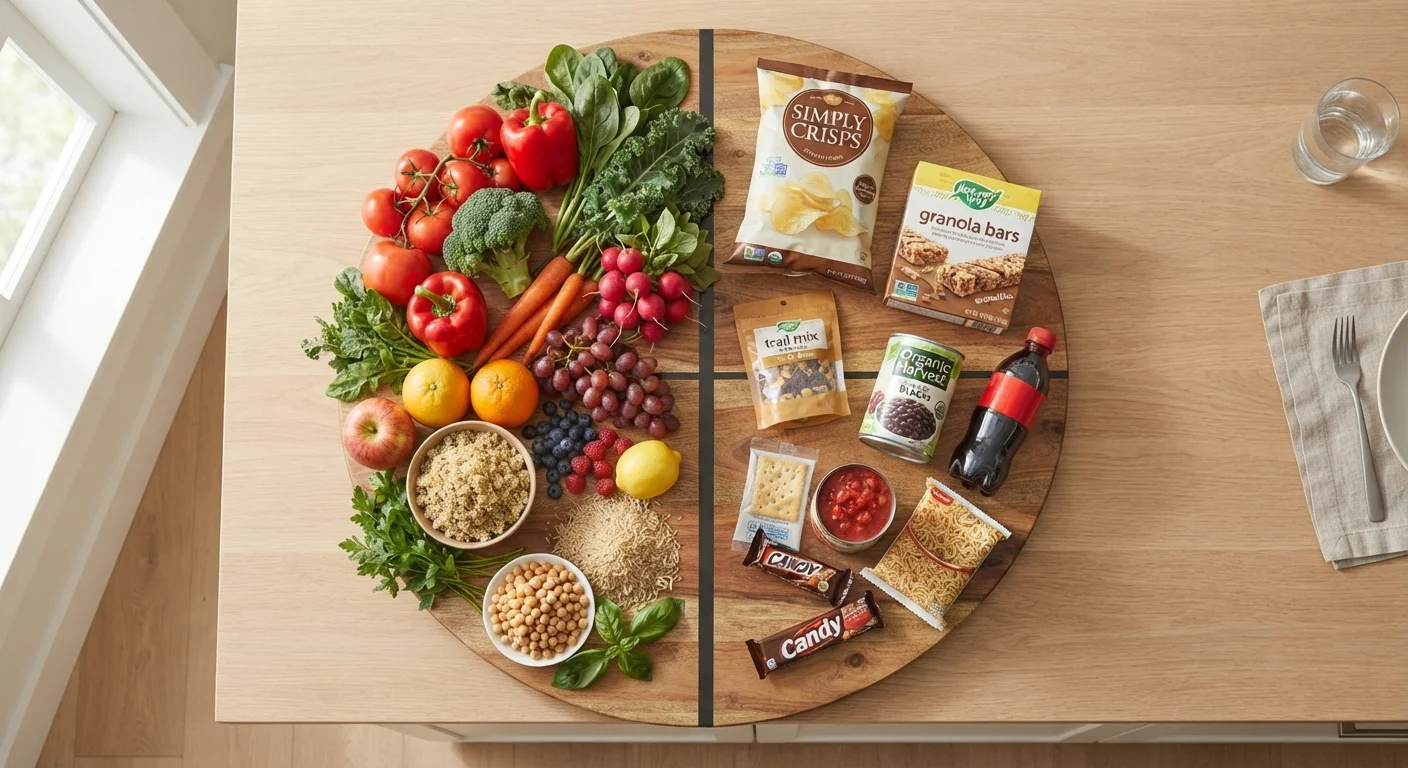
Processing matters too - a grilled chicken breast and a heavily processed chicken nugget both contain chicken protein, but they're nutritionally quite different. For a deeper look at why that distinction matters, see our article on whole foods vs. processed foods.
If you have specific health conditions, follow a medically supervised diet, or belong to a group with higher protein needs - such as during pregnancy, older adulthood, or recovery from illness - it's worth talking with a registered dietitian or your healthcare provider. General information like this is a useful starting point, but personalized guidance makes a real difference.
This article is for general informational and educational purposes only and is not a substitute for professional medical or dietary advice. Please consult a qualified healthcare provider for guidance specific to your health situation.