Why So Many Names for the Same Thing?
If you've ever flipped a food package over and felt confused by words like maltodextrin or evaporated cane juice, you're not imagining the complexity. Food manufacturers use dozens of legally distinct names for added sugars - sometimes because the ingredient genuinely differs slightly in chemistry, and sometimes because shorter, simpler names carry a familiar stigma that affects purchasing decisions.
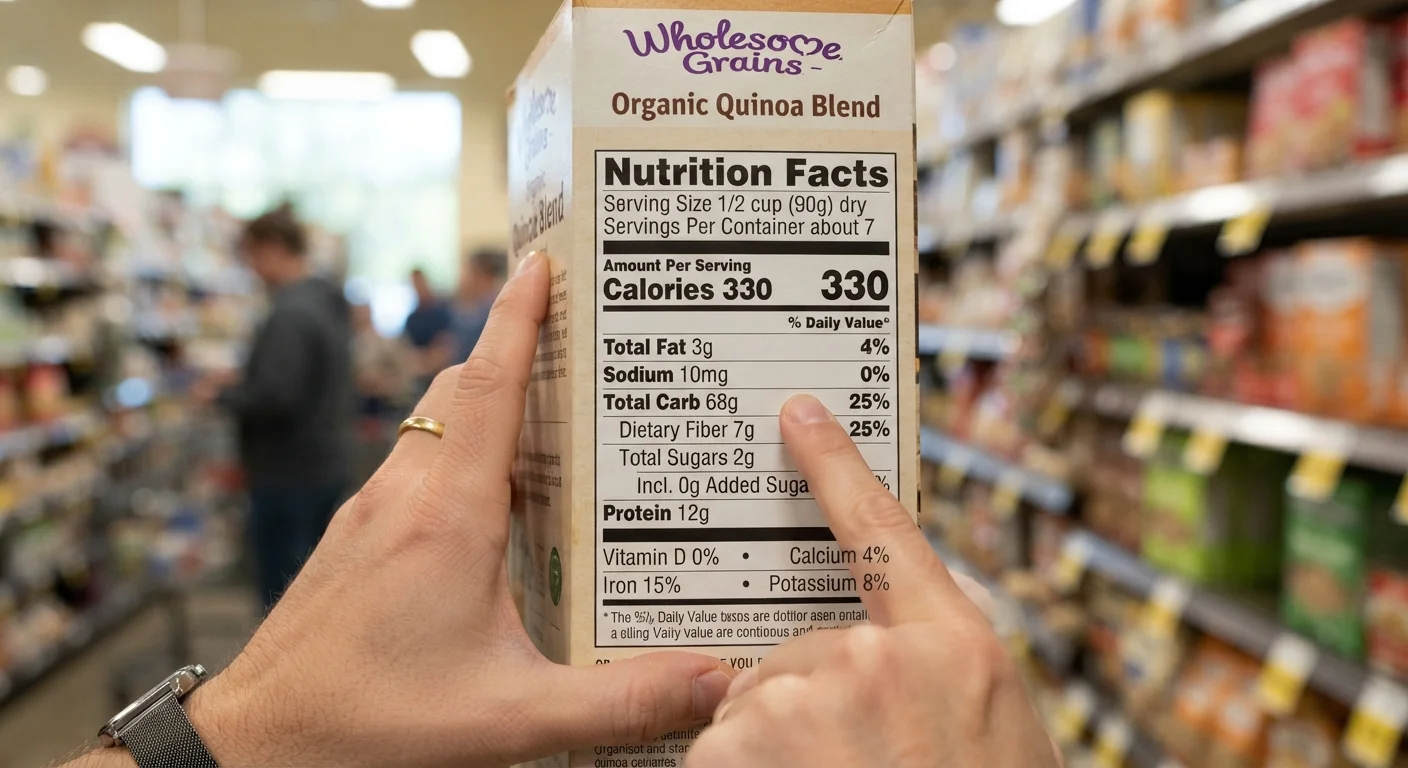
The U.S. Food and Drug Administration (FDA) now requires food labels to list "Added Sugars" separately on the Nutrition Facts panel, which is a meaningful step forward. But that line doesn't tell you which sugars were added or where they appear in the ingredient list. Understanding the names themselves gives you a much fuller picture. For a broader primer on interpreting the Nutrition Facts panel as a whole, see our guide to reading nutrition labels.
| Added Sugars on Labels | Required by FDA since 2020 (large manufacturers) (U.S. Food and Drug Administration) |
| Estimated number of sugar aliases | Over 60 names (Commonly cited across nutrition research literature) |
| Daily Added Sugar Limit (general guidance) | Less than 10% of daily calories (2020-2025 Dietary Guidelines for Americans) |
| Ingredients listed by | Weight, descending order (FDA labeling regulations (21 CFR 101.4)) |
| Sugars ending in "-ose" | Always a sugar molecule (Basic biochemistry nomenclature) |
The Sweetener Glossary: Names to Know
The list below covers the most common added sweeteners organized by category. Knowing these names helps you spot added sugar regardless of where it's hiding in an ingredient list.
Sucrose
The scientific name for common table sugar, made from glucose and fructose bonded together. It comes from sugar cane or sugar beets and is the baseline against which most sweeteners are compared.
High-Fructose Corn Syrup (HFCS)
A liquid sweetener made by converting corn starch into glucose and then enzymatically converting a portion into fructose. It is widely used in processed foods and beverages due to its low cost and blendability.
Dextrose
Another name for glucose, the simplest sugar and the body's primary energy currency. It is often derived from corn and used in baked goods, sports drinks, and packaged snacks.
Maltose
A sugar formed from two glucose units, commonly produced during the breakdown of starches. It appears in malt-based products, cereals, and some fermented foods.
Fructose
A naturally occurring sugar found in fruit and honey. When added to processed foods in isolated or concentrated form, it behaves as an added sugar distinct from the fructose naturally present in whole fruit.
Agave Nectar
A liquid sweetener derived from the agave plant. It is high in fructose - often higher than table sugar - and is metabolized primarily by the liver, similar to other high-fructose sweeteners.
Brown Rice Syrup
A sweetener made by breaking down the starches in cooked brown rice using enzymes. It consists mainly of glucose and is frequently marketed in "natural" or "health" foods.
Maltodextrin
A processed carbohydrate derived from starch (often corn, wheat, or potato) that has a high glycemic index. Though not intensely sweet, it functions as a filler and contributes to a food's total carbohydrate load.
Evaporated Cane Juice
An alternative name for minimally refined cane sugar. The FDA has discouraged this term as misleading because it obscures that the ingredient is essentially sugar.
Coconut Sugar
A granulated sweetener made from the sap of coconut palm flowers. It contains small amounts of minerals and inulin fiber, but its sugar content and caloric value are comparable to regular table sugar.
Fruit Juice Concentrate
Whole fruit juice with most of its water removed, resulting in a very concentrated sugar source. It counts as an added sugar under FDA labeling rules when added to a food product.
Invert Sugar
Sucrose that has been broken down into its component glucose and fructose molecules through an enzymatic or acid process. It retains moisture well and is used in candies, baked goods, and beverages.
A helpful shortcut: any ingredient ending in -ose (glucose, fructose, dextrose, maltose, lactose) is a sugar. Syrups are almost always sugar-based as well, regardless of their source.
Where Added Sugars Hide and What to Watch For
Ingredient lists are ordered by weight - the first item is the most abundant. Manufacturers sometimes use multiple distinct sweeteners in a single product, which spreads them across the list and keeps any single sugar from appearing near the top. A product with dextrose, brown rice syrup, and fruit juice concentrate may still be heavily sweetened even though none of those ingredients ranks first.
Here are a few practical habits when scanning labels:
- Count the sweeteners, not just one name. If you spot three or four sweetener names in one ingredient list, that product likely contains a significant combined sugar load.
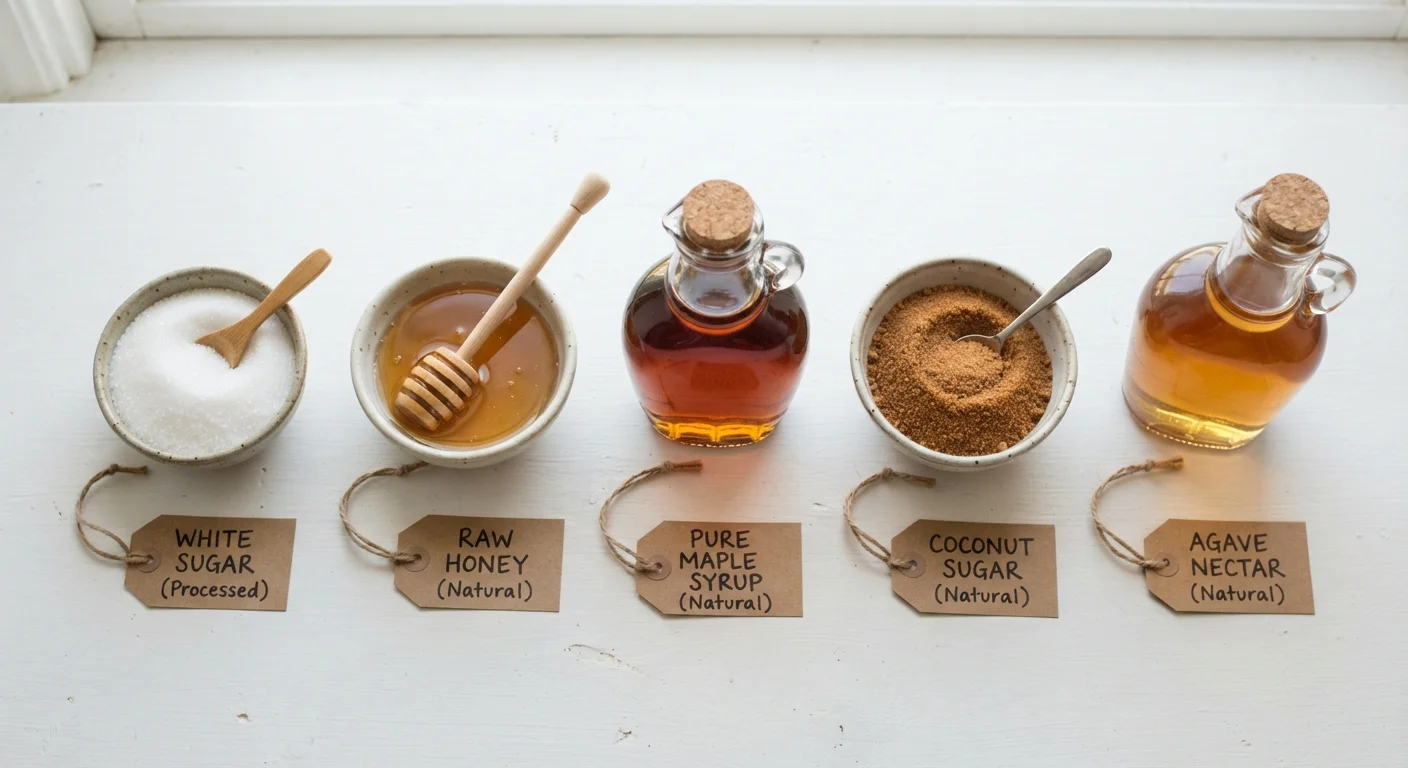
- "Natural" doesn't mean lower in sugar. Honey, agave nectar, maple syrup, and coconut sugar are metabolized by the body similarly to table sugar. They carry trace nutrients in some cases, but they still count as added sugars under FDA rules.
- "No added sugar" claims have rules. The FDA defines this claim precisely - it means no sugar or sugar-containing ingredient was added during processing. It does not mean the product contains no sugar at all, since naturally occurring sugars (from fruit, dairy, etc.) still contribute.
- Fruit juice concentrate is still sugar. When whole fruit is juiced and concentrated, most of the fiber is removed and the sugar becomes far more concentrated than in whole fruit.
"No Added Sugar" Doesn't Mean Sugar-Free
The FDA's "no added sugar" claim applies only to sugars and sugar-containing ingredients introduced during processing or packaging. Foods can still contain significant natural sugars from fruit, dairy, or other whole-food ingredients and lawfully carry this claim. Always check the total sugars line on the Nutrition Facts panel alongside the ingredient list for a complete picture.
This article is for general informational and educational purposes only and is not intended as medical or dietary advice. If you have questions about sugar intake in relation to a specific health condition such as diabetes, please consult a registered dietitian or your healthcare provider.