
Why Ground-Level Inspection Is a Legitimate First Step
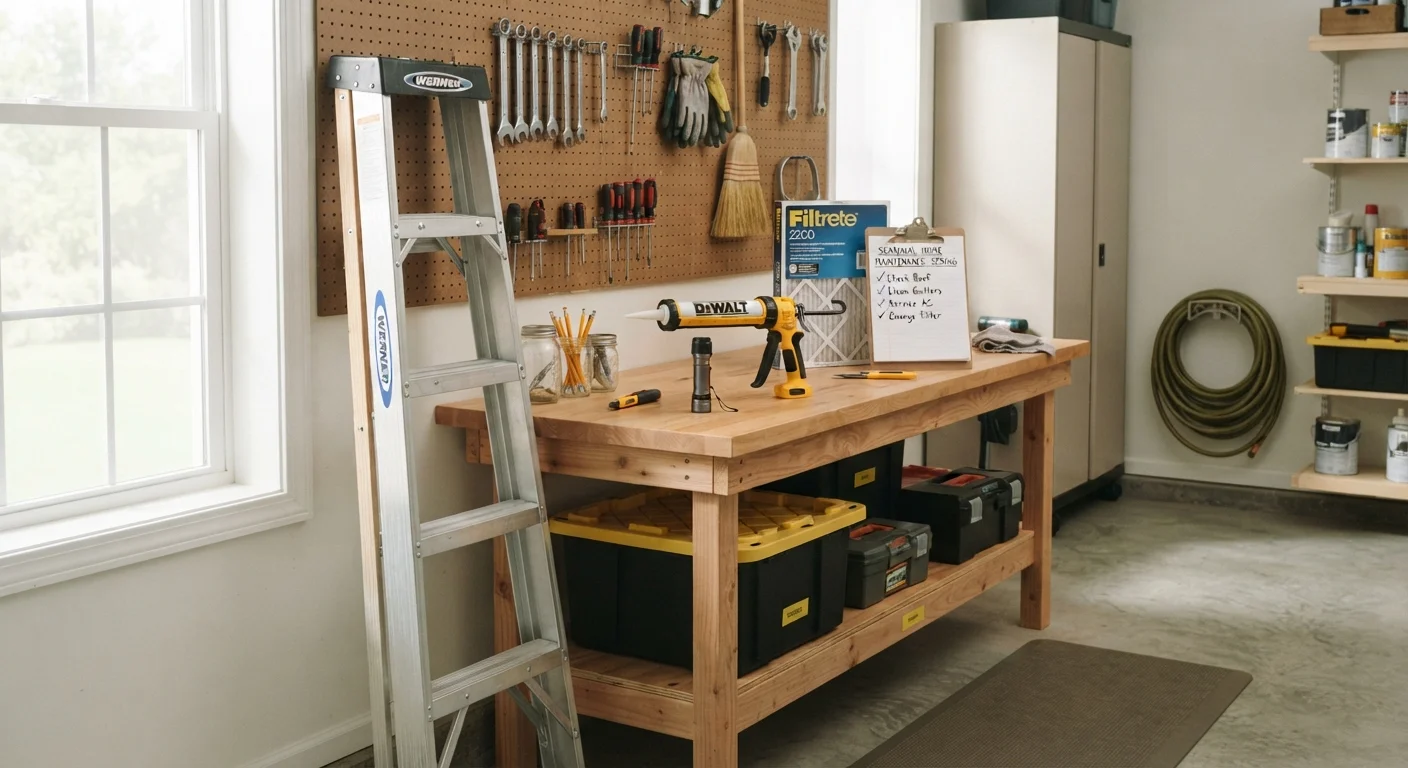
Most homeowners assume that inspecting a roof means getting on top of it. In reality, a thorough ground-level walkround - done with the right tools and a systematic approach - can identify the majority of common roofing issues before they escalate into structural damage or interior leaks. This kind of regular self-inspection is also a key part of broader home upkeep: our seasonal home maintenance checklist includes a roof check as a twice-yearly priority.
What you're looking for at this stage isn't a diagnosis - it's a pattern of signals. Identifying a problem early and handing that information to a licensed roofer saves money and prevents minor maintenance from becoming a major repair. The steps below are structured to cover the exterior systematically, followed by a quick interior attic check.
Do Not Climb Your Roof
Walking on a roof without professional training, proper safety equipment, and anchoring systems is genuinely dangerous - roofing injuries are among the most common causes of serious DIY accidents. Even a low-slope roof can be slippery from moss, morning dew, or granule loss. Leave any close-up or hands-on roofing work to a licensed, insured roofing contractor.
What to Look For and When to Call a Pro
Not every observation requires urgent action. Use this general framework to prioritize:
- Monitor: Small algae streaks, a few missing granules, minor moss on a small section - document and recheck in 3-6 months.
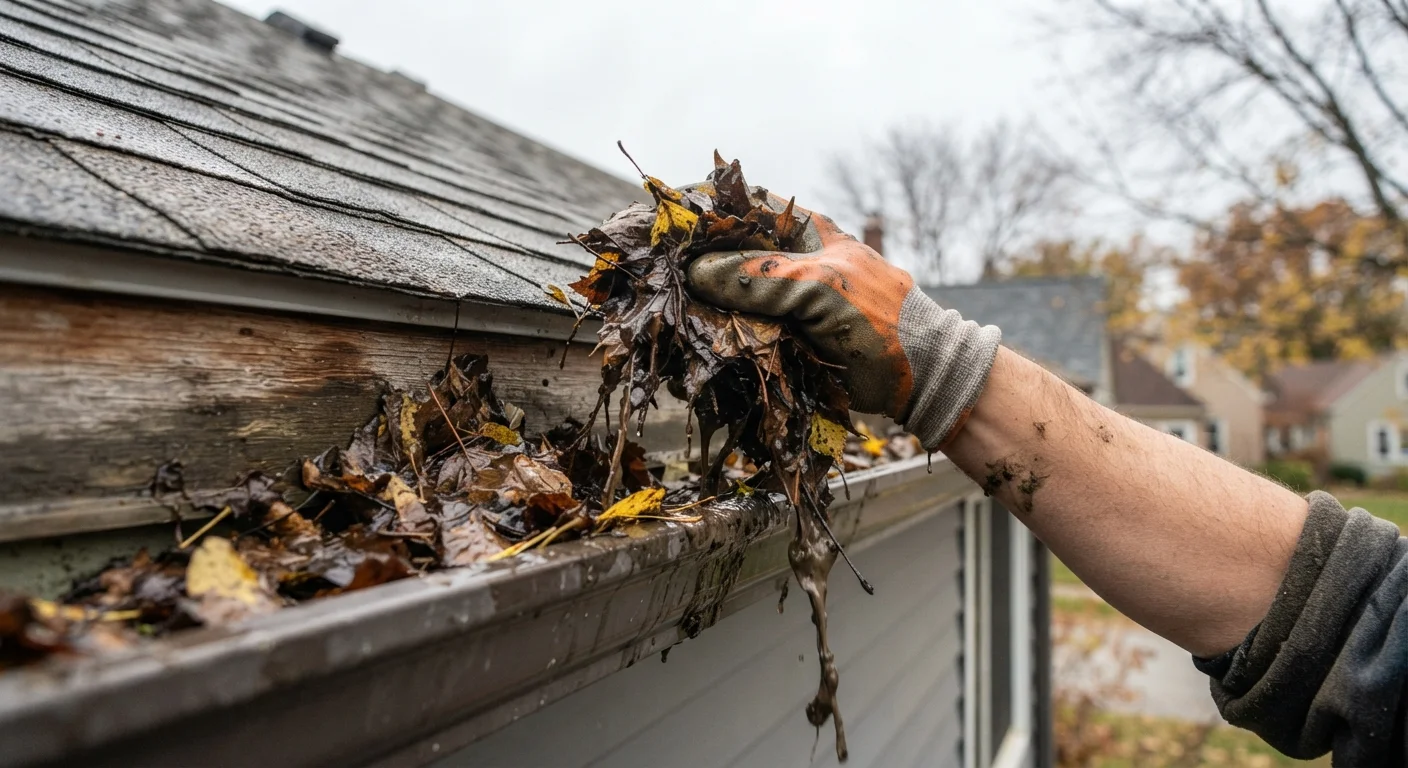
- Schedule an assessment: Multiple curled shingles, visible flashing separation, granules accumulating in gutters, or interior staining - contact a licensed roofer within a few weeks.
- Act promptly: Any active leak, significant sagging, large sections of missing or cracked shingles, or light visible through the attic deck - arrange a professional inspection as soon as possible.
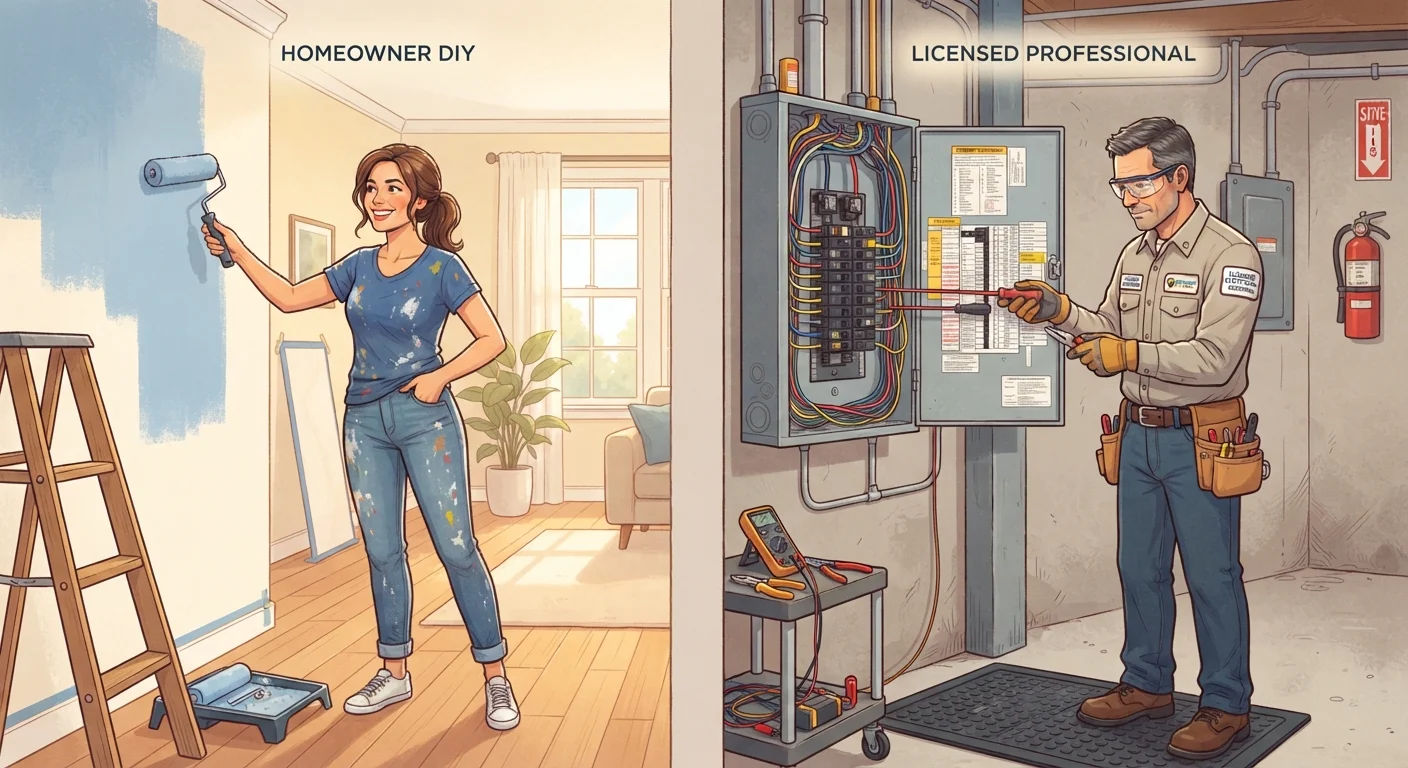
When deciding whether to handle findings yourself or hire out, our guide on DIY versus licensed contractor decisions offers a clear framework for drawing that line. Roofing, in particular, sits firmly on the professional side for anything beyond visual observation - local building codes in many jurisdictions require permits for roof replacement, and improper repairs can void manufacturer warranties.
Inspect After Every Major Storm
High winds, hail, and heavy ice can dislodge or crack shingles even when the roof looks intact from a distance. A quick ground-level walkround within 24-48 hours after a significant weather event helps you catch new damage early and document it for any insurance claim.
Finally, keep a simple log of each inspection with dates and photos. A documented history helps roofers assess rate of deterioration and helps you track whether a problem is worsening between inspections. It can also be useful if you ever file a home insurance claim related to roof damage.
This article provides general home maintenance information for educational purposes. It is not a substitute for a professional roof inspection by a licensed contractor. Always consult a qualified roofing professional before undertaking any repair work, and verify local permit requirements with your municipality.