How a Sump Pump Actually Works
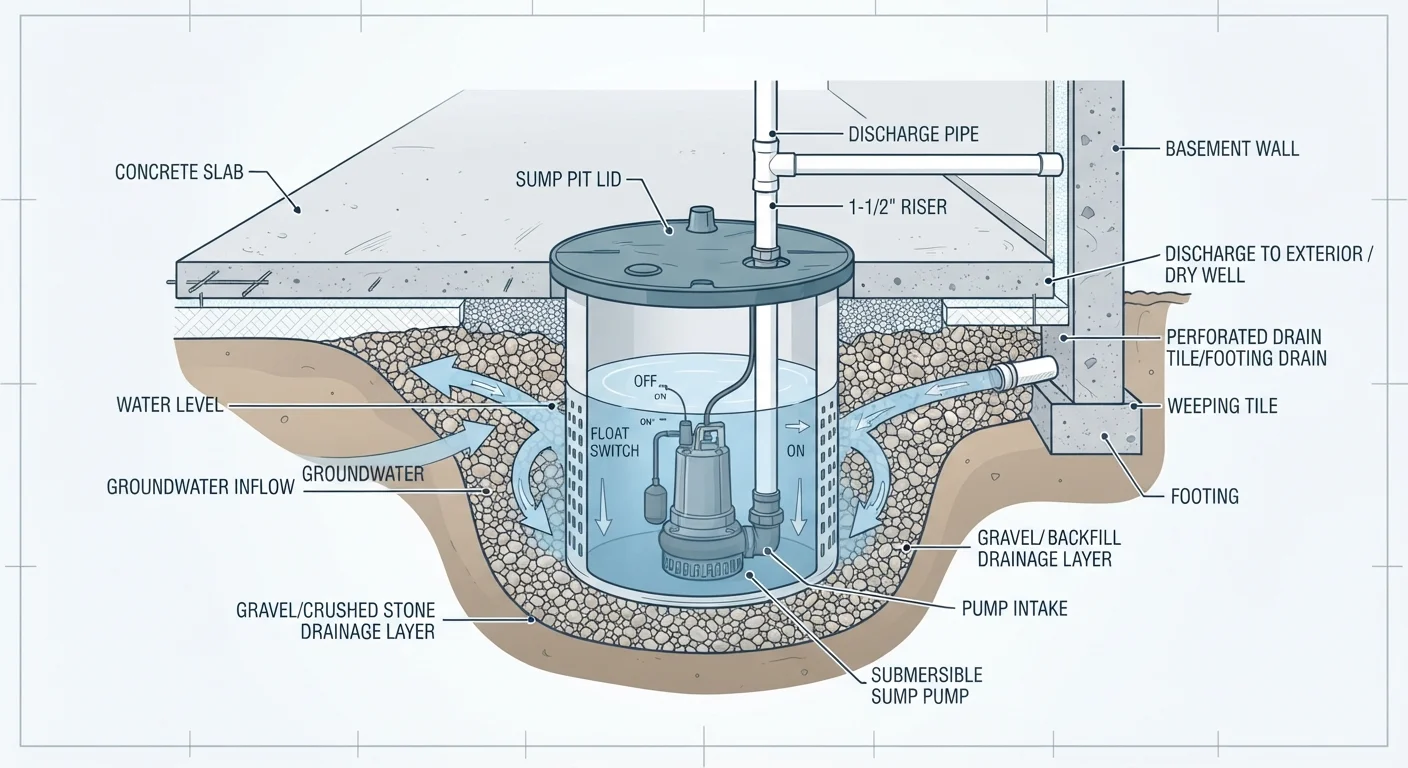
Water finds its way into basements through hydrostatic pressure - the natural force of groundwater pushing against your foundation. A sump pump intercepts that water before it reaches your floor.
The pump sits inside a sump basin, which is a pit roughly 18-24 inches wide and 2 feet deep, cut into the lowest point of your basement floor. As groundwater seeps in through the surrounding soil and drainage channels, it collects in this pit. Once the water rises to a set level, a float switch - similar in concept to the one inside a toilet tank - triggers the pump motor. The pump then forces the water up and out through a discharge pipe that exits your home, depositing the water safely away from your foundation.
The whole process is automatic. Most homeowners only know their pump ran because the water level drops - or because they hear it cycle on during a heavy rain event.
Discharge Rules Vary by Location
Where your sump pump discharges water is regulated in many municipalities. Some areas prohibit discharge into sanitary sewer lines or require it to flow a minimum distance from neighboring properties. Check with your local building department before installing or rerouting a discharge pipe to ensure you're in compliance.
Pedestal vs. Submersible: Choosing the Right Type
There are two common sump pump configurations, and each has practical trade-offs worth understanding.
Pedestal Pumps
A pedestal pump has its motor mounted on a tall stand above the sump pit, with only the intake pipe reaching into the water. Because the motor stays dry, pedestal pumps are generally easier to access for maintenance and tend to have a longer motor life. They are also typically less expensive. The downside is that they are louder during operation and take up more visual space in the basement.
Submersible Pumps
A submersible pump is a sealed unit designed to sit entirely underwater inside the sump basin. The motor is waterproofed and runs quietly. Submersible models handle larger volumes of water more efficiently and are less obtrusive. They do cost more upfront and can be harder to service since the entire unit must be lifted from the pit.
For most finished basements or homes with higher water infiltration, submersible pumps are the more practical choice. Pedestal pumps work well in smaller pits or where budget is a primary concern.
Add a Backup Before Storm Season
Battery-powered backup sump pumps are one of the most practical investments for flood-prone homes. They activate automatically if the primary pump fails or the power cuts out - both of which are common during the same storm. Install and test the backup unit before your region's peak rainfall season begins.
When Your Home Actually Needs One
Not every home requires a sump pump, but several conditions make one a sound investment:
- History of basement flooding - even minor seasonal dampness suggests water intrusion risk.
- High water table - if your area's groundwater sits close to the surface year-round, a pump actively manages that pressure.
- Low-lying or flood-prone location - geography puts some homes at structural disadvantage during heavy rain.
- Finished basement - flooring, drywall, and personal belongings make water damage far more costly to repair.
- Heavy clay soil - clay drains slowly and retains moisture against your foundation longer than sandy soils.
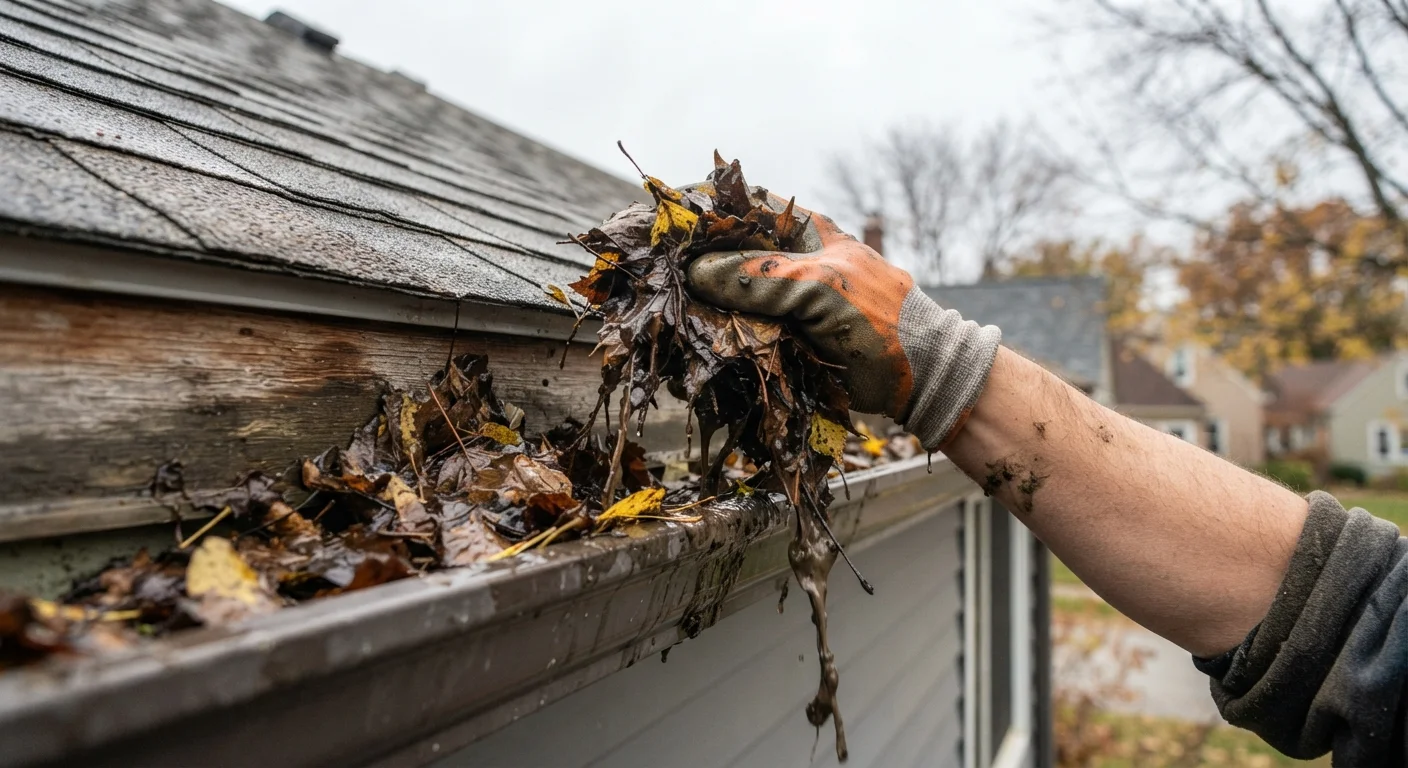
If you're unsure whether your home qualifies, review your local flood zone maps (available through FEMA's Flood Map Service Center) or ask a waterproofing contractor for an assessment. Managing drainage around the home complements pump protection - keep gutters clear and well-directed, as described in our guide to gutter maintenance.
Basic Maintenance Every Homeowner Should Do
A sump pump that sits untested for years is a pump you can't rely on when you need it most. These steps keep it in working order:
- Test the float switch quarterly - pour a bucket of water slowly into the sump pit and confirm the pump activates and then shuts off once the water is removed.
- Inspect the discharge pipe annually - make sure it isn't clogged, frozen (in winter climates), or discharging too close to your foundation.
- Clean the pit once a year - remove debris, sediment, and any gravel that might clog the intake screen.
- Check the check valve - this one-way valve on the discharge pipe prevents pumped water from flowing back into the pit; replace it if it shows wear or leakage.
- Test the backup battery - if you have a battery backup unit, verify the battery holds a charge before storm season.
Planning ahead for pump replacement is also smart homeownership. A sump pump replacement typically costs several hundred dollars including installation - a predictable expense you can prepare for. A sinking fund is one straightforward way to set aside money gradually so the cost doesn't catch you off guard.