The Real Consequences of Irregular Exercise
It's easy to rationalize skipping the evening walk after a long day. One missed outing rarely causes harm — but a pattern of skipping is a different story. Dogs are physiologically built for daily movement, and when that movement is chronically absent, the effects accumulate across multiple body systems.
Weight gain is the most visible consequence. Without consistent caloric expenditure, even a modest caloric surplus leads to gradual obesity. Excess weight then compounds into joint stress, reduced cardiovascular efficiency, and increased risk of metabolic conditions. Veterinary organizations consistently identify obesity as one of the most preventable health problems in companion dogs.
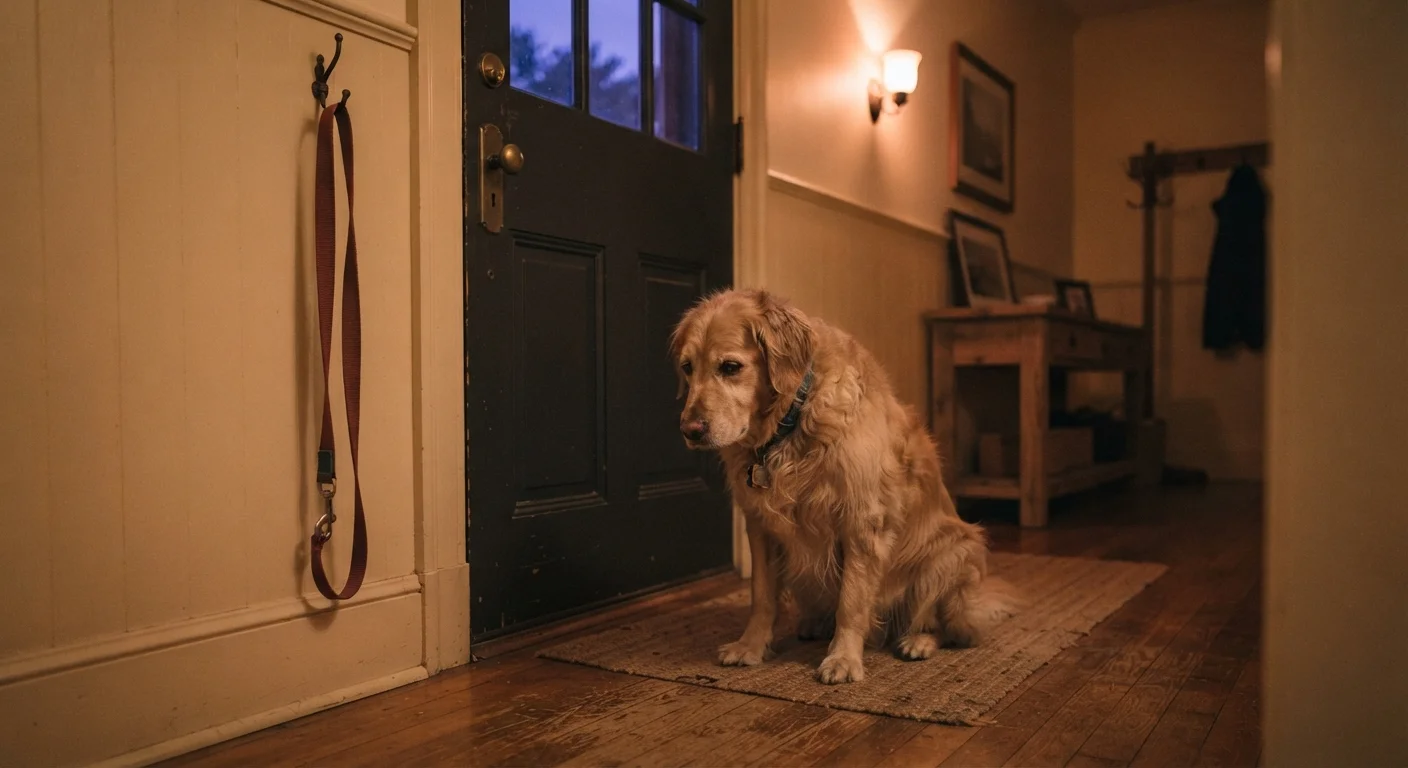
Less visible, but equally significant, is the toll on mental health. Dogs are cognitively stimulated by the smells, sounds, and social signals they encounter outdoors. Without that daily input, many dogs develop frustration behaviors — destructive chewing, excessive barking, door-scratching — that owners often misread as defiance rather than unmet need. For a broader look at how these physical and behavioral shifts can go undetected, see the early warning signs pet owners most commonly overlook.
56%
Pet dogs estimated to be overweight or obese
The Association for Pet Obesity Prevention has consistently found that more than half of U.S. dogs fall into overweight or obese categories in its annual surveys.
30–60 min
Daily exercise most adult dogs need
Veterinary guidelines generally recommend 30 to 60 minutes of moderate exercise per day for average adult dogs, with high-energy breeds requiring more.
Common Mistakes That Lead to Chronic Under-Exercise
Understanding why owners fall into this pattern is the first step toward breaking it. The mistakes below are some of the most common — and the most consequential over time.
Assuming a yard substitutes for a walk.
Why it happens: Owners with fenced yards often believe outdoor access alone meets a dog's exercise needs, so structured walks feel redundant.
Treating exercise as optional when the dog seems calm indoors.
Why it happens: A dog that appears relaxed at home is interpreted as not needing more activity, when in reality some dogs suppress energy until it surfaces as behavioral issues.
Skipping walks more frequently during colder or rainy months.
Why it happens: Discomfort with weather makes skipping feel reasonable, and owners underestimate how quickly a seasonal reduction becomes a new norm.
Not adjusting the walk schedule as the dog ages.
Why it happens: Owners stick with the puppy-era routine or, conversely, dramatically reduce activity for a senior dog out of misplaced concern for fragility.
Relying on weekend walks to compensate for a sedentary weekday.
Why it happens: Busy work schedules push exercise to the weekend, mirroring patterns some owners apply to their own fitness habits.
Just as deferred maintenance in other areas of life compounds into larger problems, the same logic applies to your dog's routine. The investment of a consistent daily walk pays dividends in health and behavior that are far easier to maintain than to restore. For a broader view of costs that tend to sneak up on new pet owners, see the hidden costs of pet ownership most first-timers don't see coming.
Obesity in Dogs Is a Medical Issue
Excess weight in dogs is linked to a measurably shorter lifespan and higher rates of joint disease, diabetes, and cardiovascular stress. If your dog has gained noticeable weight or has difficulty with moderate activity, speak with a veterinarian before making significant changes to diet or exercise. A professional assessment will identify the safest path forward for your specific animal.
Building a Walk Routine That Actually Sticks
Sustainable exercise habits are built around structure, not willpower. Tying the evening walk to an existing anchor — dinner prep, the end of a work call, or a specific time on the clock — reduces the decision fatigue that makes skipping feel easy.
For households where true consistency is difficult, shorter walks are almost always better than no walk. A 10-minute outing addresses the sniff-and-explore need and keeps the routine intact, even if cardiovascular benefit is limited. Dogs with changing needs as they age may require adjusted approaches; adapting your pet's daily routine as they age covers how to recalibrate schedules through different life stages.
If a walk is genuinely impossible on a given evening, structured indoor play — fetch in a hallway, nose-work games, or training repetitions — can partially substitute. These activities engage both body and mind without requiring outdoor access. The goal is to treat exercise as a non-negotiable element of daily care, on par with feeding and fresh water.
This article provides general information for educational purposes and is not a substitute for professional veterinary advice. If your dog is showing signs of behavioral distress or physical health changes, consult a licensed veterinarian.