Why You Should Never Skip a PPI
Used vehicles don't come with guarantees. A car can look immaculate on the outside while hiding a cracked head gasket, worn brake rotors, or frame damage from a previous collision. A pre-purchase inspection exists to protect you from exactly that kind of surprise.
For a relatively modest upfront cost, an independent mechanic gives you a professional, unbiased assessment before you sign anything. If the seller refuses to allow an inspection, treat that as a red flag - a trustworthy seller has nothing to hide.
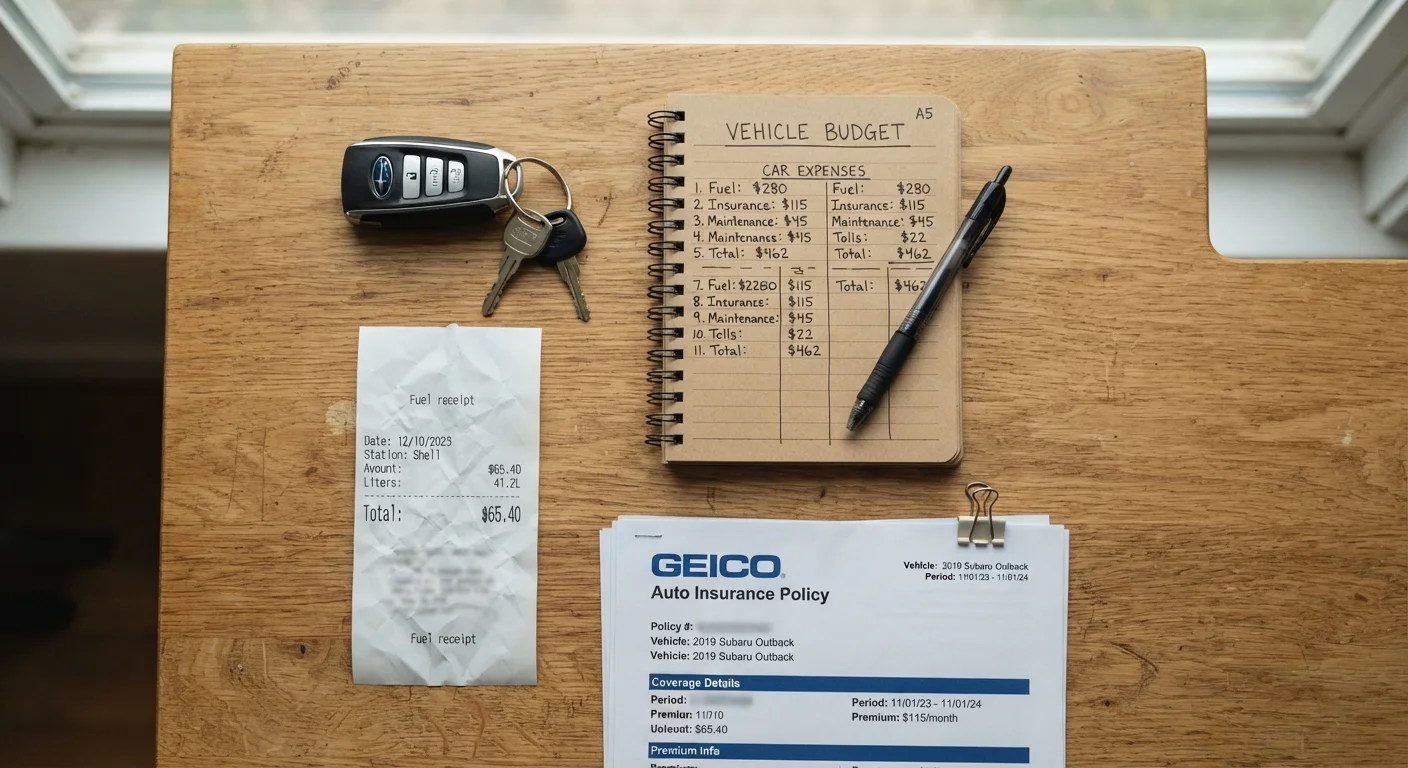
Once you own the car, any pre-existing problems become your financial responsibility. Planning ahead by factoring in inspection costs also supports a smarter overall ownership budget. See the Annual Car Ownership Budget Checklist for a full breakdown of vehicle expenses to anticipate.
$100-$200
Typical cost of an independent PPI
According to general industry guidance from automotive consumer resources, most pre-purchase inspections fall in this range at independent shops.
~40%
Used cars with undisclosed issues
Consumer automotive research has consistently found that a significant share of used vehicles have maintenance or mechanical issues not proactively disclosed by sellers.
$1,000+
Average cost of a surprise major repair
Transmission services, head gasket repairs, and other major mechanical jobs routinely exceed $1,000, making a $150 inspection a sound investment by comparison.
What the Mechanic Actually Examines
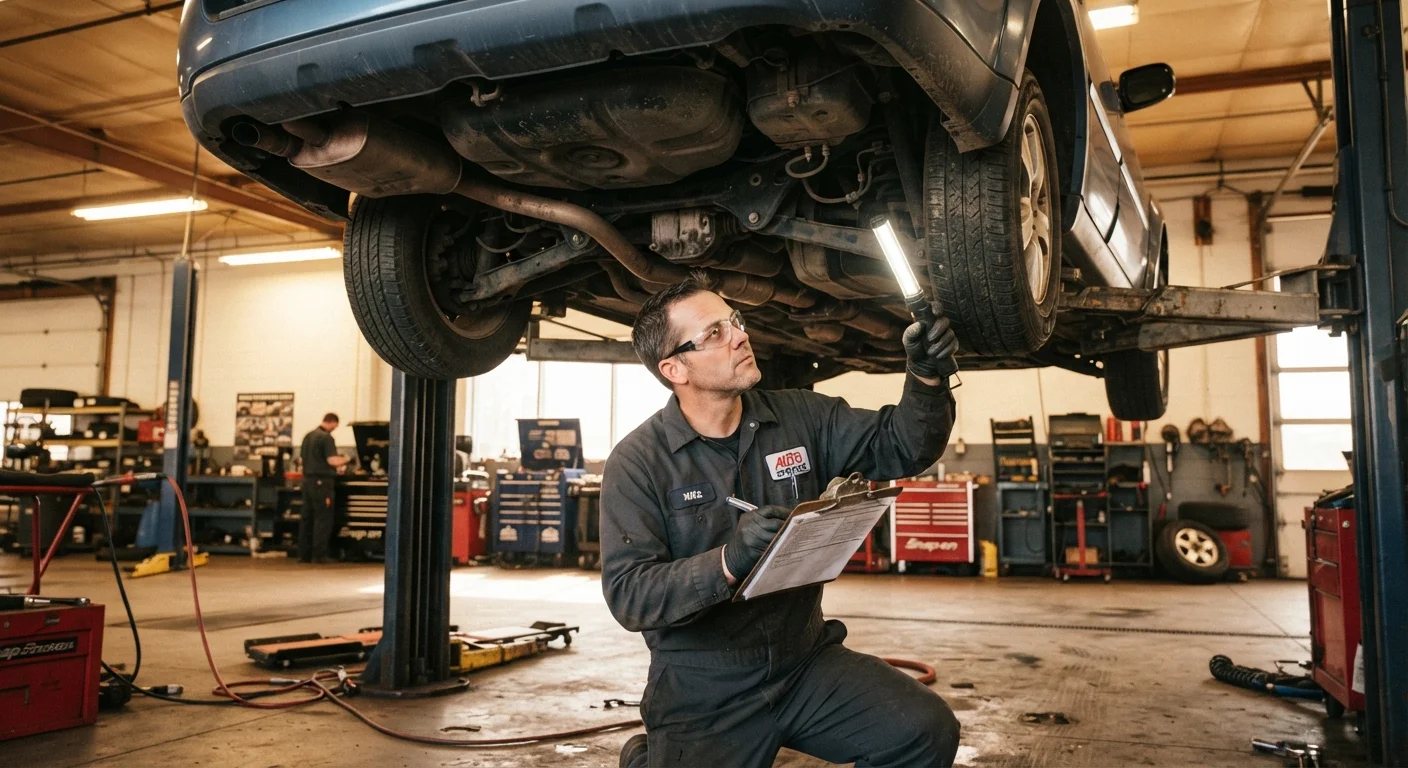
A thorough PPI is far more than a visual once-over. A qualified mechanic will systematically work through the vehicle's major systems:
- Engine and drivetrain: The mechanic checks for oil leaks, unusual noises, signs of overheating, and the condition of belts and hoses. They'll also look for evidence of major repairs like a replaced engine or rebuilt transmission.
- Transmission: Both automatic and manual transmissions are tested for smooth shifting, slipping, and fluid condition. Transmission repairs are among the costliest on any vehicle.
- Brakes: Pad thickness, rotor condition, and brake line integrity are all evaluated. Worn brakes are a safety issue, not just a maintenance item.
- Suspension and steering: The inspector checks for worn ball joints, tie rods, and shock absorbers - components that affect both handling and safety.
- Exhaust system: Leaks, rust, and catalytic converter condition are examined, which also matters for emissions compliance.
- Electrical systems: Lights, windows, HVAC, and onboard electronics are tested. A diagnostic scan tool is often used to check for stored fault codes.
- Body and frame: The mechanic looks for signs of prior collision repair - uneven panel gaps, mismatched paint, or evidence of structural straightening work.
- Tires: Tread depth, wear patterns, and sidewall condition reveal not just remaining life but potential alignment or suspension issues.
- Fluids: Coolant, brake fluid, power steering fluid, and differential fluid are inspected for level and condition.
Good inspectors also road-test the vehicle when possible, which can surface transmission hesitation, brake pull, or steering wander that a stationary check might miss.
How to Arrange an Inspection and What to Bring
The logistics are straightforward. Once you've identified a vehicle you're seriously considering, contact an independent mechanic and schedule a time to bring the car in. If the vehicle is far away, some mobile inspection services will travel to the car - useful when buying from a private seller in another city.
Choose Your Own Mechanic
Never use a mechanic recommended by the seller - even if the suggestion seems well-intentioned. Find your own independent shop, ideally one you've used before or that comes recommended by people you trust. Your mechanic's loyalty should be entirely to you, not to closing the sale.
Bring or request the vehicle's history report ahead of time. If the report flags a prior accident, tell your mechanic so they can pay extra attention to the affected areas. Also ask the seller for any maintenance records - a car with documented service history is generally a lower-risk purchase.
After the inspection, your mechanic should provide a written summary of findings, ideally with photos if anything significant was flagged. This document is valuable: it gives you a factual basis for negotiating a price reduction or requesting repairs before purchase.
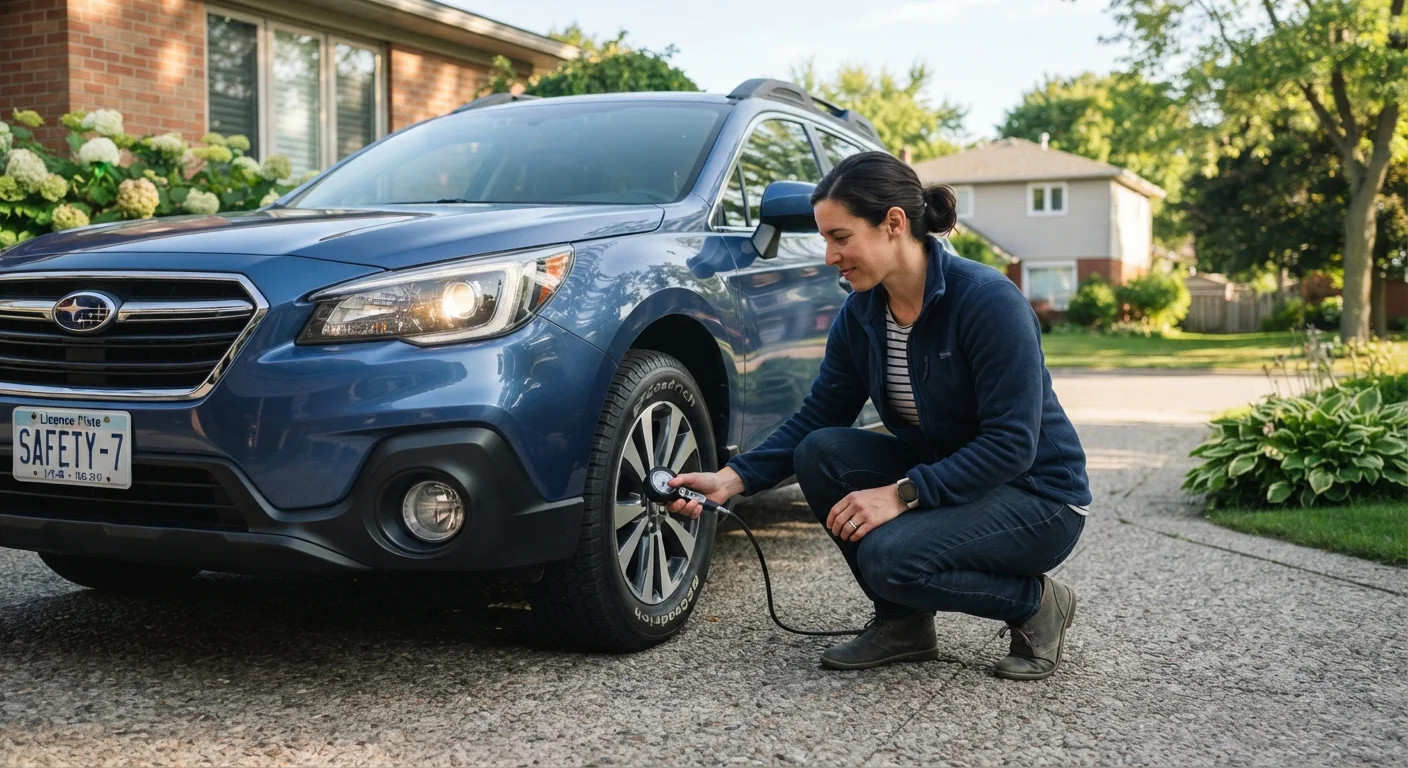
Before settling into ownership, it's also worth building good habits. The pre-drive safety check every driver should run is a quick walkaround routine that helps catch new issues as they develop - a smart complement to any thorough pre-purchase evaluation.
This article is for general informational purposes only. Always consult a qualified, licensed mechanic before making a vehicle purchase decision based on mechanical condition.