Why Blaming Willpower Misses the Real Issue
When a workout gets skipped, the internal story is often the same: I just didn't have the energy or I couldn't make myself do it. This framing puts the problem squarely on personal character - and quietly lets the actual culprit off the hook. The real culprit is usually an unstructured schedule.
Behavioral scientists use the term intention-behavior gap to describe the space between wanting to exercise and actually doing it. Studies consistently find that people who set specific implementation intentions - deciding in advance when, where, and how they'll exercise - follow through at significantly higher rates than those who simply resolve to "work out more." Willpower isn't the missing ingredient. A concrete plan is.
This matters especially for young homeowners, whose days are already filled with work demands, home maintenance, errands, and social obligations. When exercise isn't pre-scheduled, it competes against everything else at the end of a draining day - and it usually loses. That's not a character flaw. It's a predictable outcome of an unplanned system.
Start With Two Non-Negotiable Slots
Rather than overhauling your entire week at once, identify just two time slots you can protect for movement - even 10 to 15 minutes each. Anchor them to something you already do consistently, like your morning coffee or the end of your workday. Once those feel automatic, adding more becomes much easier.
How to Find Time That's Already There
Most people significantly underestimate how much discretionary time they have. A useful exercise: track your activities in 30-minute blocks for two or three days - including scrolling, TV, and transition time between tasks. The gaps that appear are often surprising.
The goal isn't to shame anyone out of rest or leisure. It's to make deliberate trade-offs rather than passive ones. Fifteen minutes before the evening news, a lunch break that doesn't involve sitting at your desk, or ten minutes before your morning shower are all real, workable windows.
Once you identify even two or three consistent pockets, the next step is treating them like any other appointment. Block them in your calendar. Tell a housemate or partner. Lay out your clothes the night before. Each small friction-reducer makes it less likely that a busy morning will crowd out your plan.
For structured ideas on building these pockets into a full weekly framework, see our guide on building a weekly exercise routine around a homeowner's schedule.
22 min/day
Minimum daily movement to meet CDC guidelines
The CDC's recommendation of 150 minutes of moderate aerobic activity per week works out to roughly 22 minutes daily - less time than the average American spends on social media apps.
~5 hrs
Average daily leisure time for U.S. adults
According to the U.S. Bureau of Labor Statistics American Time Use Survey, American adults average approximately five hours of leisure and sports time daily - suggesting that scheduling, not absolute time, is the core challenge.
2-3×
Increased follow-through with implementation intentions
Research on implementation intentions (deciding in advance when and where you'll act) shows people are two to three times more likely to follow through on a behavior compared to vague intentions alone.
Short Sessions Are More Powerful Than You Think
One of the most persistent myths about exercise is that it only counts if it's a continuous 45-to-60-minute session. Current physical activity guidelines from the CDC and the World Health Organization recognize that movement accumulates - shorter sessions spread across the day contribute to the same weekly totals as longer blocks.
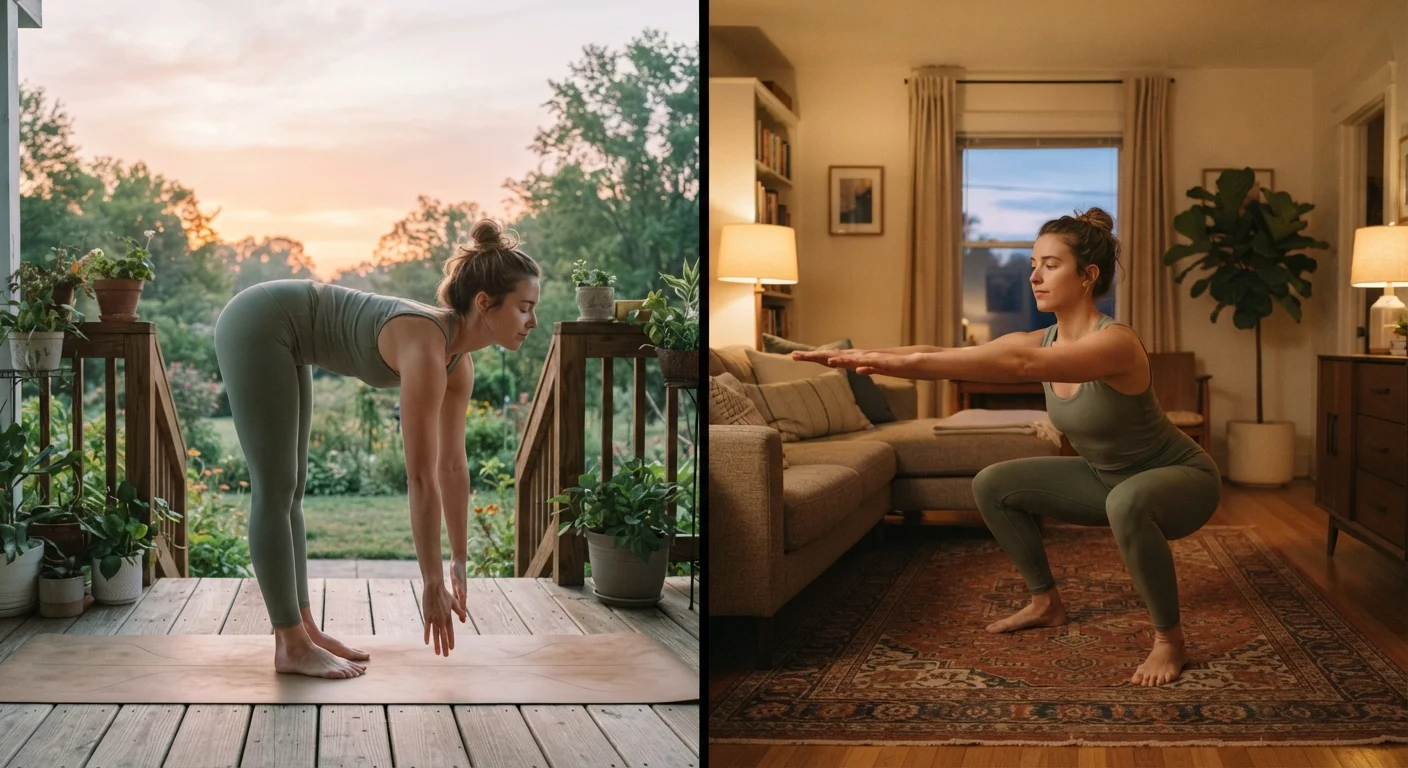
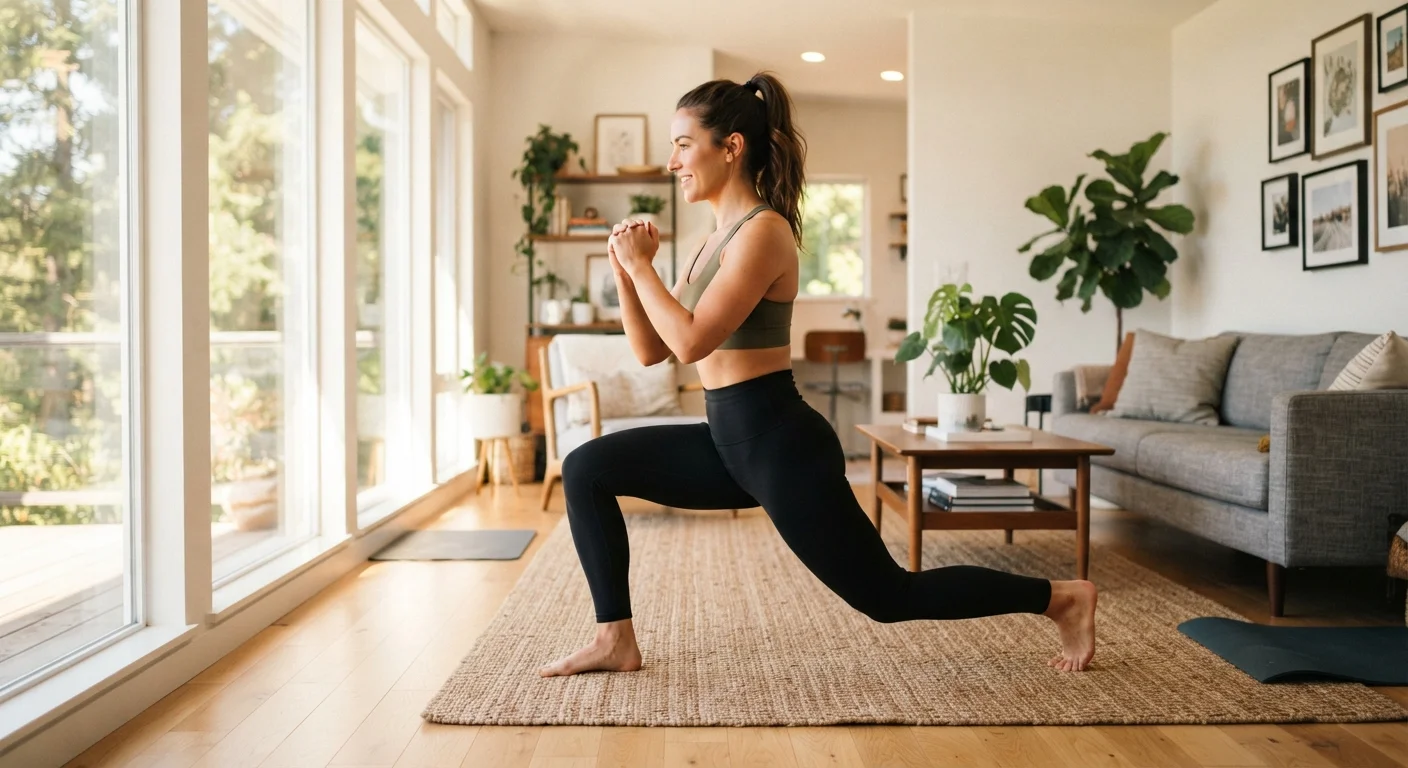
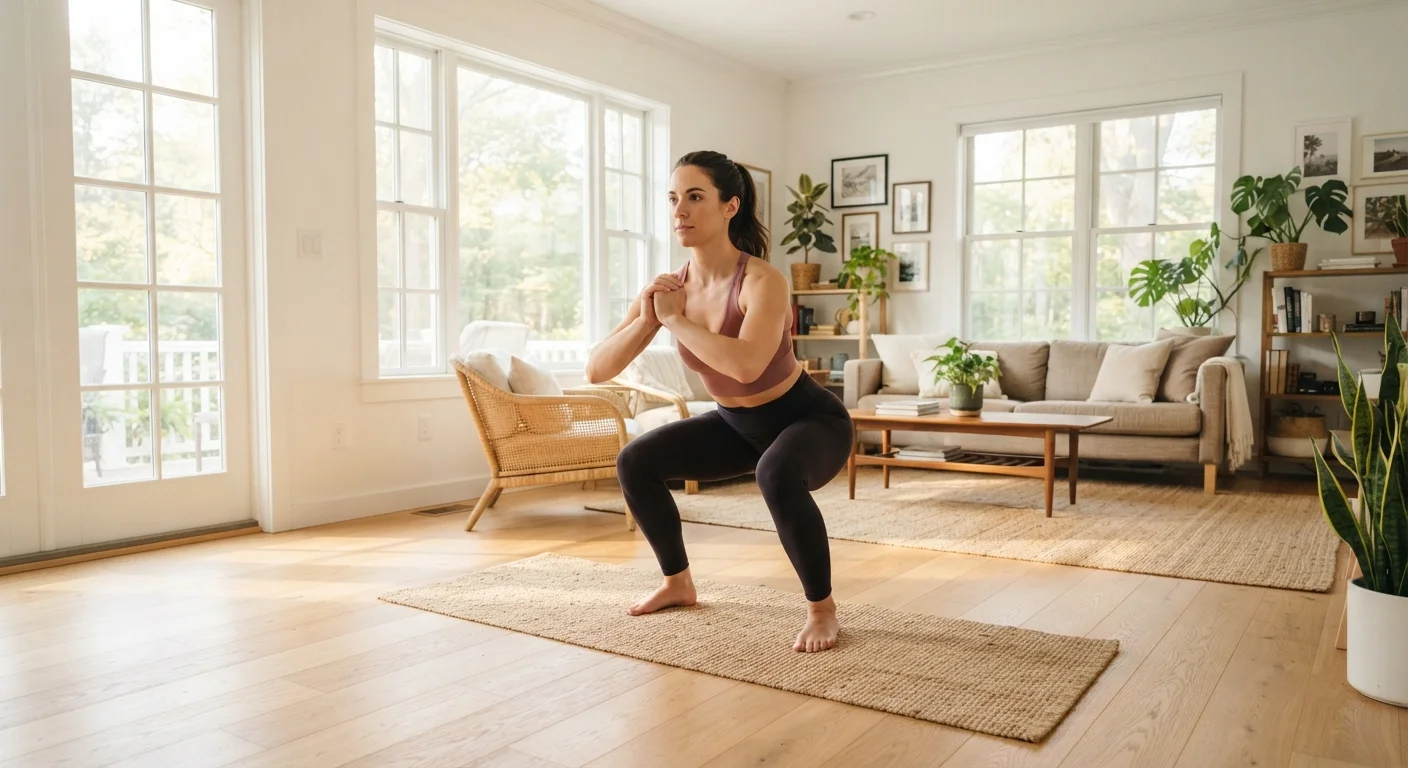
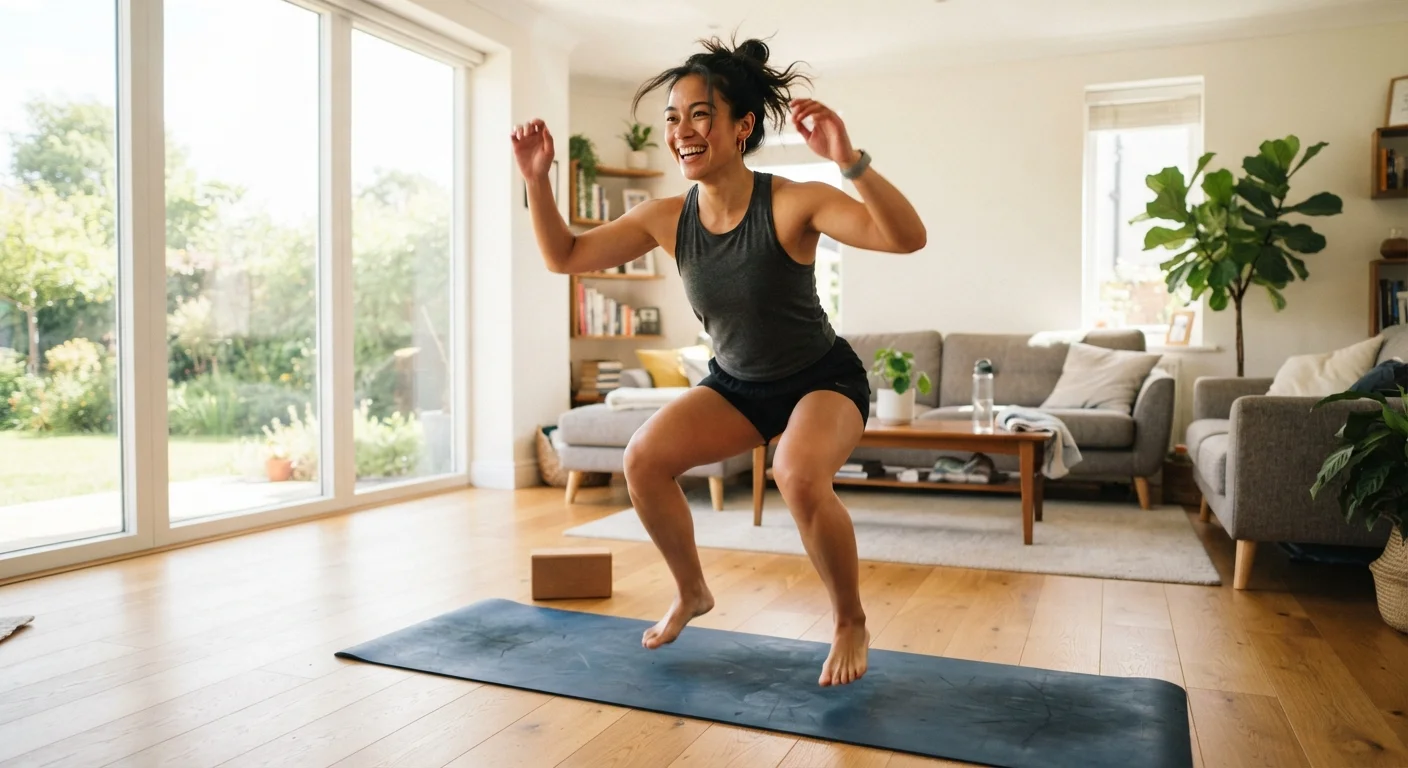
This opens up an entirely different approach to fitness for busy people: movement snacks. A five-minute bodyweight circuit between meetings, a brisk walk around the block after lunch, and a short stretching session before bed can collectively add up to meaningful weekly activity. Our article on movement snacks and how they add up covers this approach in practical detail.
For homeowners specifically, equipment-free movement has an added advantage: there's no commute to a gym, no membership cost, and no waiting for machines. A living room, backyard, or even a hallway is enough space to maintain a meaningful fitness habit.
If traditional workouts have never felt appealing, that's worth acknowledging too - movement doesn't have to look like a conventional gym session. Our piece on fitness for people who dislike traditional exercise explores how everyday activities count toward your health.
This article is for general informational purposes only and is not a substitute for personalized medical advice. Consult a qualified healthcare professional before starting any new exercise program, particularly if you have existing health conditions.