
Why Traditional Exercise Doesn't Work for Everyone
If the phrase "go for a run" makes you grimace, you're not alone - and there's nothing wrong with you. Research consistently shows that enjoyment is one of the strongest predictors of long-term exercise adherence. Forcing yourself through workouts you genuinely dislike tends to produce inconsistency, not health gains.
The fitness industry has historically marketed a fairly narrow image of what exercise looks like: gyms, treadmills, group fitness classes. That framing leaves a lot of people feeling like outsiders before they even start. But exercise science doesn't define physical activity that narrowly - and neither should you.
If you've struggled to stick with traditional routines, the problem is more likely a mismatch of format than a lack of willpower. Our article on why exercise consistency is often a scheduling problem unpacks this idea further.
Moderate-intensity activity
Physical movement that noticeably increases your heart rate and breathing but still allows you to hold a conversation - like brisk walking or active gardening.
NEAT (Non-Exercise Activity Thermogenesis)
The energy your body burns during all movement that isn't formal exercise - fidgeting, walking, housework, and daily tasks all contribute to NEAT.
Exercise adherence
How consistently a person sticks with a physical activity habit over time. Enjoyment is one of the biggest factors in whether someone keeps going.
Functional movement
Everyday physical actions - like lifting, bending, and carrying - that use multiple muscle groups and mirror how your body moves in real life.
Movement accumulation
The concept that short bouts of activity spread throughout the day add up to similar health benefits as a single continuous workout session.
What Actually Counts as Physical Activity
According to the CDC, physical activity is any body movement produced by skeletal muscles that requires energy expenditure. That definition is intentionally broad. Walking to the mailbox, carrying groceries up stairs, and scrubbing a bathtub all involve muscular effort and caloric output.
Physical activity is typically grouped by intensity:
- Light activity: Casual strolling, light housework, gentle stretching
- Moderate activity: Brisk walking, active gardening, dancing, cycling at a comfortable pace
- Vigorous activity: Swimming laps, hiking uphill, heavy shoveling
U.S. health guidelines from the Department of Health and Human Services recommend adults aim for roughly 150 minutes of moderate-intensity activity per week - but crucially, how you accumulate those minutes is flexible. A structured gym session and an energetic Saturday of yard work can deliver equivalent physiological benefits, depending on effort level.
Everyday Movement You're Probably Already Doing
Young homeowners are often more active than they realize. Maintaining a home naturally involves sustained physical effort - it just doesn't look like a workout. Here are common activities worth acknowledging as genuine movement:
- Yard work and gardening: Mowing, raking, planting, and hauling involve cardiovascular effort and functional strength. See how to lean into this with our guide on using your backyard as a training ground.
- Active commuting: Walking or cycling to transit stops, errands, or work adds meaningful movement without a dedicated workout window.
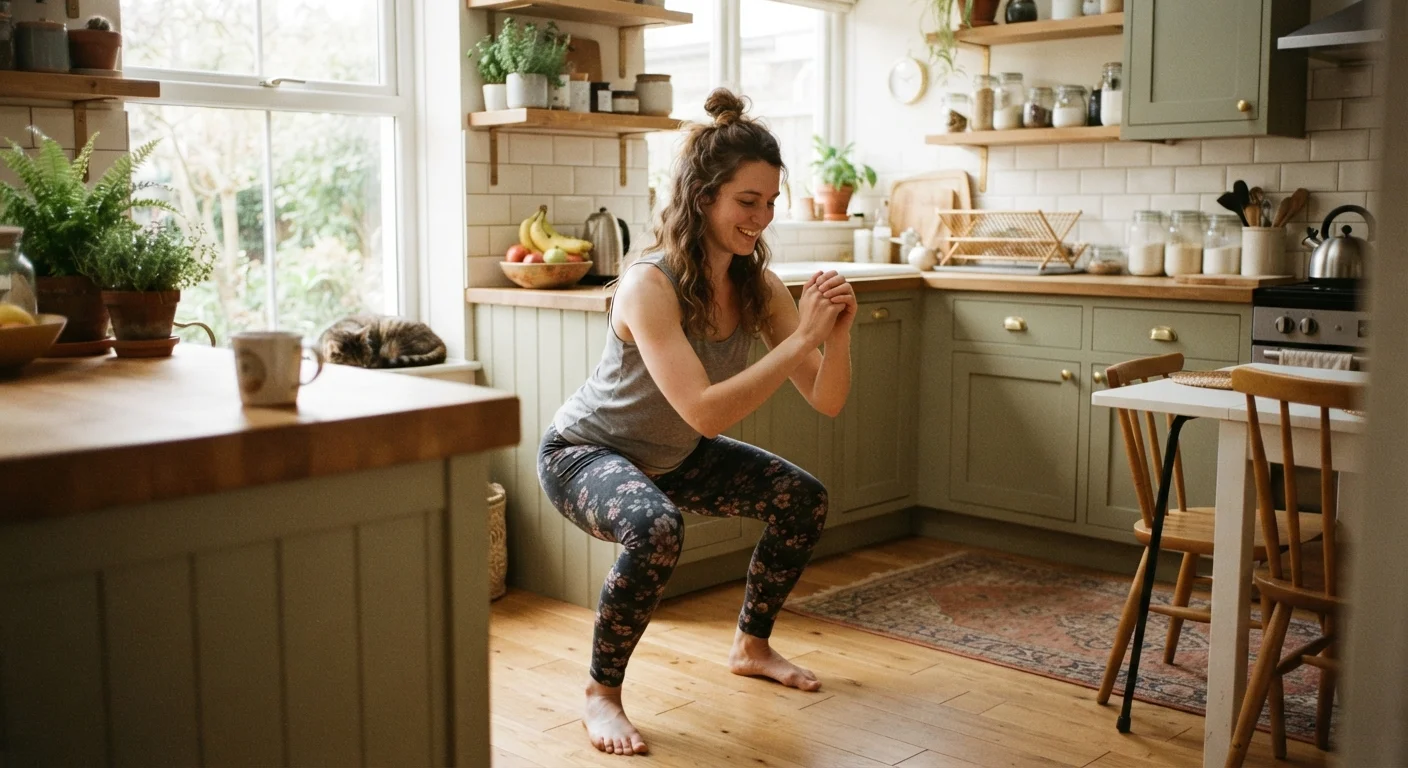
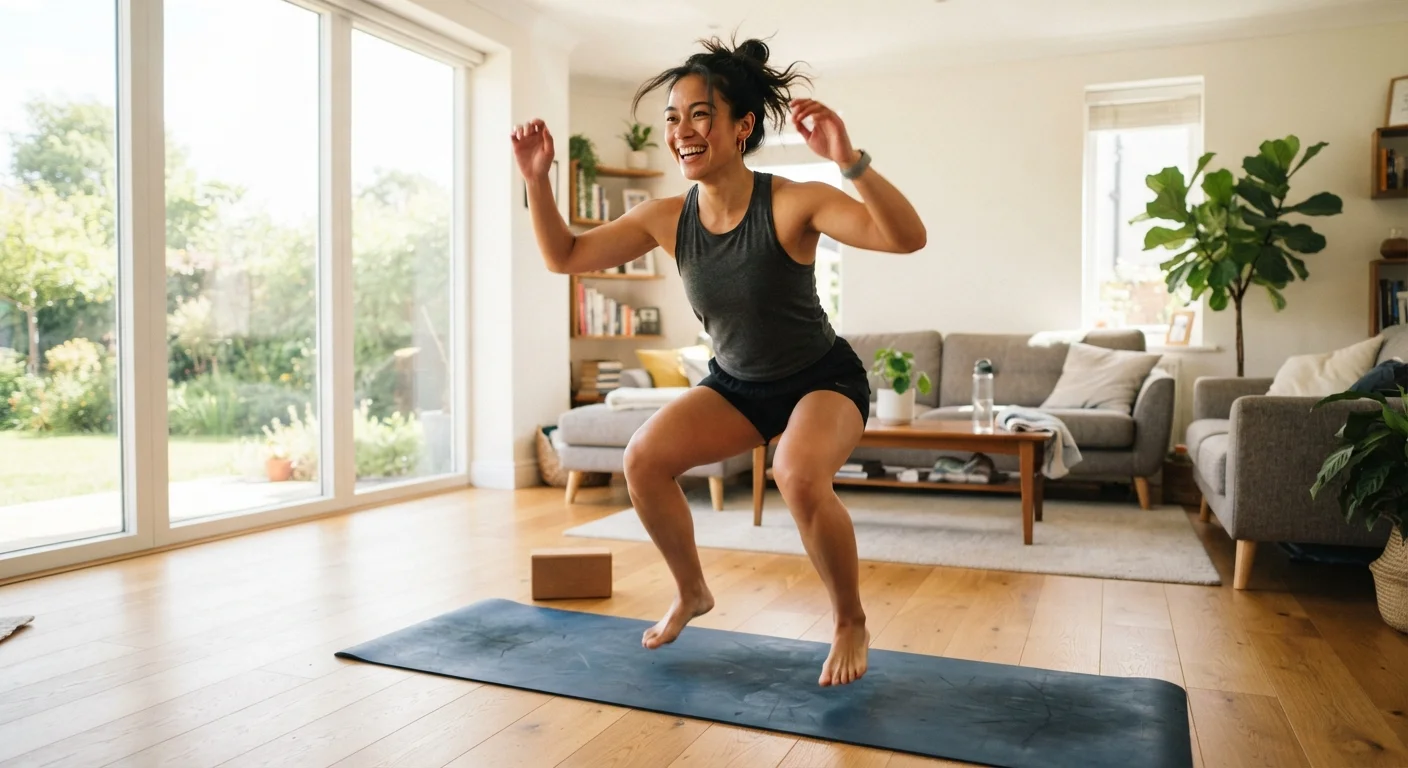
- Dancing: Whether it's a kitchen dance break or following along to a video, dancing raises heart rate and improves coordination.
- Household tasks done vigorously: Vacuuming, mopping, and carrying laundry up flights of stairs engage your whole body.
- Playing with pets or kids: Chasing, fetching, and active play are legitimate forms of aerobic activity.
If you want to explore structured cardio alternatives that don't require equipment or a gym, cardio without a treadmill offers practical ideas.
Make Movement Feel Less Like Exercise
Choose activities where the point is something other than fitness - a walk to pick up groceries, a dance playlist while cooking, or gardening with a goal in mind. When movement has a purpose beyond burning calories, it tends to feel less like a chore and more like just living your life.
How to Build a Routine Without Forcing It
The goal isn't to replicate a gym routine - it's to find a sustainable rhythm of movement that fits your actual life. A few approaches that tend to work well:
- Anchor movement to existing habits. A 10-minute walk after lunch or a short stretch before bed requires no extra scheduling - it piggybacks on what you're already doing.
- Stack activity in small bites. Short bursts of movement throughout the day - sometimes called "movement snacks" - accumulate meaningfully. Our overview of movement snacks explains the research behind this approach.
- Experiment until something feels easy to return to. Try a few different activities - swimming, hiking, a dance playlist - and notice which ones you're willing to repeat without much internal resistance.
- Track progress gently. Rather than counting reps or calories, notice functional improvements: more energy, less stiffness, easier stairs. Tracking fitness progress without obsessing over numbers offers a balanced framework for this.
If you ever want to add structured strength to your routine later, equipment-free strength moves require nothing but floor space - no gear required.
Enjoyment and Consistency Trump Intensity
Research in exercise psychology suggests that people who choose activities they find enjoyable are more likely to remain active over the long term than those who choose high-intensity routines they dislike. A moderate walk you actually take beats a vigorous gym session you keep skipping. Start where you are, with what you'll actually do.
Knowing When to Check In With a Professional
This article is general health information - not personal medical advice. If you have a chronic health condition, have been inactive for an extended period, or experience pain, shortness of breath, or dizziness during activity, speak with a qualified healthcare provider before significantly increasing your movement level. They can help you identify safe starting points and activities appropriate for your specific health history.
Returning to movement after a long break requires some extra care. Our article on starting a new exercise habit after a long break covers what to keep in mind as you ease back in.
This article is for general informational purposes only and does not constitute medical advice. Always consult a qualified healthcare professional before starting, stopping, or changing any physical activity program, particularly if you have an existing health condition.