Why Short Bursts of Movement Matter
For most of human history, activity wasn't scheduled - it was woven into the fabric of daily life. Modern homeownership, remote work, and packed calendars have compressed movement into gym sessions that many people struggle to protect. Movement snacks offer a practical reset.
The core insight is straightforward: the body doesn't experience physical activity only in one-hour increments. Even brief periods of movement elevate heart rate, engage muscles, and interrupt the metabolic slowdown associated with prolonged sitting. A growing body of research, including work from institutions like the NIH, points to extended sitting time as an independent risk factor for certain health concerns - separate from whether someone exercises regularly.
That's the opening movement snacks fill. They're not a workaround or a shortcut; they're a recognition that movement can be distributed rather than concentrated.
150+
Minutes of weekly moderate activity recommended by CDC
The CDC recommends at least 150 minutes of moderate-intensity aerobic activity per week for most adults, which movement snacks can help accumulate across a busy schedule.
~30%
Of adults meet weekly physical activity guidelines
According to CDC data, only about 24-30% of U.S. adults meet both aerobic and muscle-strengthening guidelines - highlighting the gap that accessible habits like movement snacks aim to address.
1-10 min
Typical duration of a single movement snack
Research on brief activity bouts generally focuses on sessions in this range, showing measurable short-term effects on blood glucose and alertness even at the lower end.
What Qualifies as a Movement Snack?
The beauty of this concept is its flexibility. A movement snack can be almost any deliberate physical activity that breaks a sedentary stretch:
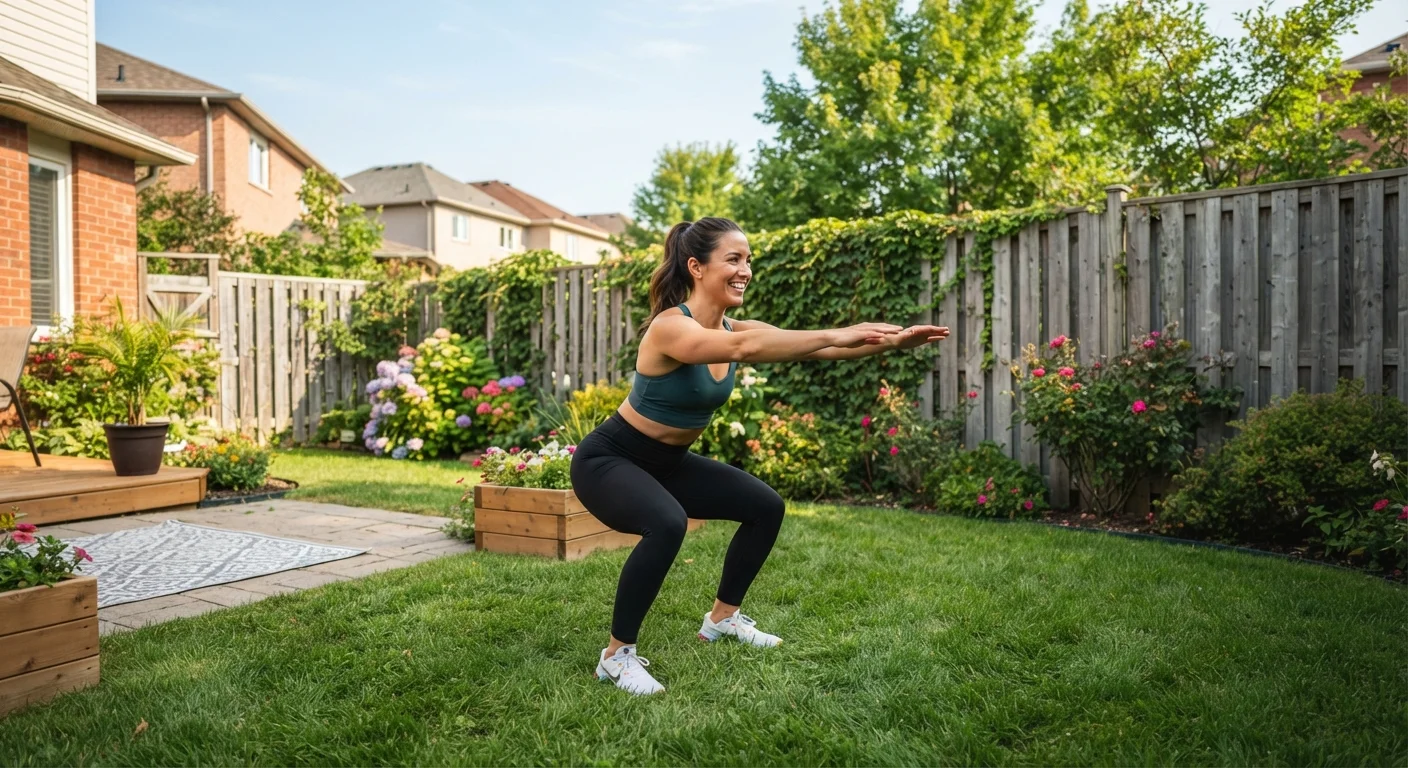
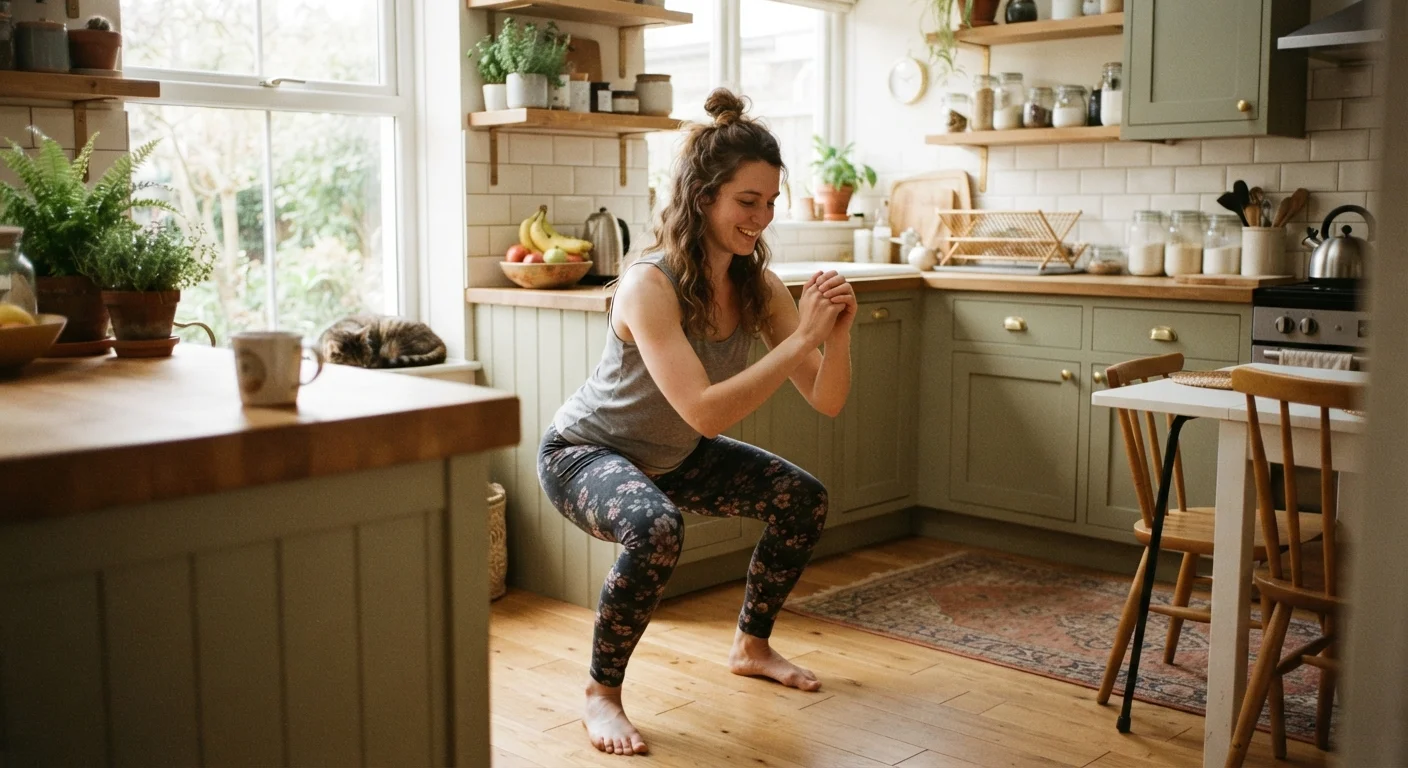
- Ten bodyweight squats before refilling your water bottle
- A brisk two-minute walk around the block between virtual meetings
- A set of push-ups or wall push-ups while waiting for coffee to brew
- Stretching or light mobility work while a load of laundry runs
- Stair climbing - up and down two or three times - during a transition between tasks
If you're curious how mobility work fits alongside these habits, our evidence-based guide to stretching and mobility is a useful companion read.
The defining qualities are intention and regularity - you're choosing to move, and you're doing it often enough that the minutes accumulate. Intensity matters less than consistency, especially when you're building a new habit.
Use Transition Moments as Your Trigger
The easiest way to remember movement snacks is to attach them to things you already do - making coffee, ending a call, or switching tasks. You don't need a timer or an app; the routine itself becomes the reminder. Start with just one anchor point and build from there.
Making Movement Snacks Stick at Home
Habit research consistently shows that new behaviors are easier to sustain when they're anchored to existing routines - a concept sometimes called "habit stacking." For homeowners, the house itself offers natural anchors:
- The coffee or tea ritual: Use the two to three minutes of brewing time for calf raises, light stretches, or a short walk.
- Task transitions: Before switching from one project to another, set a rule - five minutes of movement first.
- Phone calls: Take them standing or walking whenever possible. Most calls don't require a screen.
- Outdoor space: Even a small yard or porch can be a movement zone. See our piece on using your backyard as a fitness space for ideas that scale to any yard size.
If your days are already disrupted by projects or renovation chaos, staying active through a home renovation season covers strategies for keeping movement habits alive when your routine is in flux.
How Movement Snacks Fit Into a Broader Active Life
Movement snacks work best as one layer of an active lifestyle, not the entire structure. Public health guidelines from organizations like the CDC generally recommend that adults aim for at least 150 minutes of moderate-intensity aerobic activity per week, along with muscle-strengthening activities. Movement snacks can meaningfully contribute to that total - but structured activity, social exercise, and dedicated workouts each add value that short bursts alone may not fully replicate.
If traditional exercise simply doesn't appeal to you, you're not alone. Our article on fitness for people who dislike traditional exercise explores how everyday movement - yard work, dancing, active errands - can all count. And if you're thinking about building toward something more structured, what to know before restarting an exercise habit is a grounded next step.
The most important takeaway: movement snacks lower the barrier to getting started. On a busy day when a full workout isn't happening, they keep momentum alive - and momentum, over time, is what builds lasting habits.
This article is for general informational purposes only and does not constitute medical advice. Please consult a qualified healthcare professional before making changes to your activity level, especially if you have an existing health condition.