Why Returning to Exercise Isn't the Same as Starting Fresh
After months or even years away from regular movement, it's tempting to pick up right where you left off - or to dive into the intense routines you see online. But your body has changed during the break, and so has your fitness baseline. Muscle memory is real and does help, but cardiovascular capacity, joint resilience, and connective tissue strength typically decline faster than most people expect.
The good news: that doesn't mean you're starting from zero. It means you need a smarter, more intentional approach that acknowledges where you are now, not where you were before. This checklist is designed to help busy young homeowners - people balancing mortgage payments, work schedules, and an ever-growing house to-do list - build movement back in without burning out in week two.
If you've ever wondered why new habits fall apart after two weeks, the answer often starts with the setup phase - and that's exactly what this checklist addresses.
Always Consult a Professional First
If you have a history of heart disease, joint injuries, diabetes, or any chronic condition, please speak with a qualified healthcare provider before resuming regular physical activity. This checklist offers general guidance, not personalized medical clearance. When in doubt, a brief conversation with your doctor is always the right first step.
Your Pre-Restart Checklist
Work through these items before you lace up your sneakers. You don't need a gym membership or special gear - most of this happens in your living room, backyard, or on a neighborhood walk.
Health & Medical Preparation
Honest Baseline Assessment
Realistic Goal Setting
Recovery & Load Management
Environment & Habit Setup
Once you've worked through the preparation phase, your next challenge will be structuring movement into a week that's already full. The framework for building a weekly routine around a homeowner's schedule can help you map cardio, strength, and rest into real-life time slots.
It's also worth knowing that fitness habits tend to collapse for predictable reasons - understanding those patterns before you begin gives you a meaningful edge.
Don't Let Enthusiasm Backfire in Week One
One of the most common reasons people re-injure themselves or quit early is starting too hard too fast. The excitement of a fresh start is real - but your tendons, ligaments, and cardiovascular system adapt more slowly than your motivation. Resist the urge to go all-out in your first sessions, even if you feel fine in the moment. Soreness that peaks 24-48 hours later (known as delayed onset muscle soreness, or DOMS) can be intense enough to derail the habit entirely if you haven't paced yourself.
Movement That Works Without a Gym
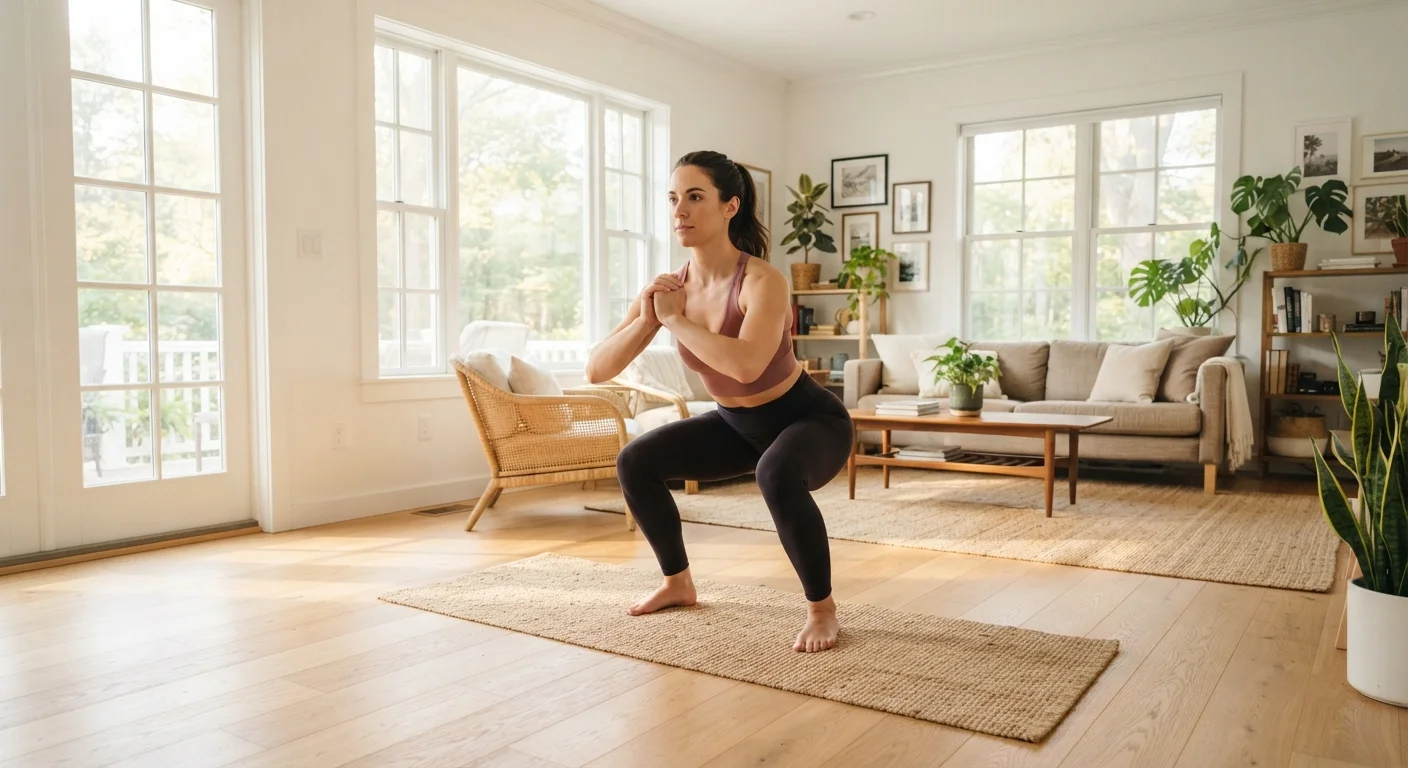
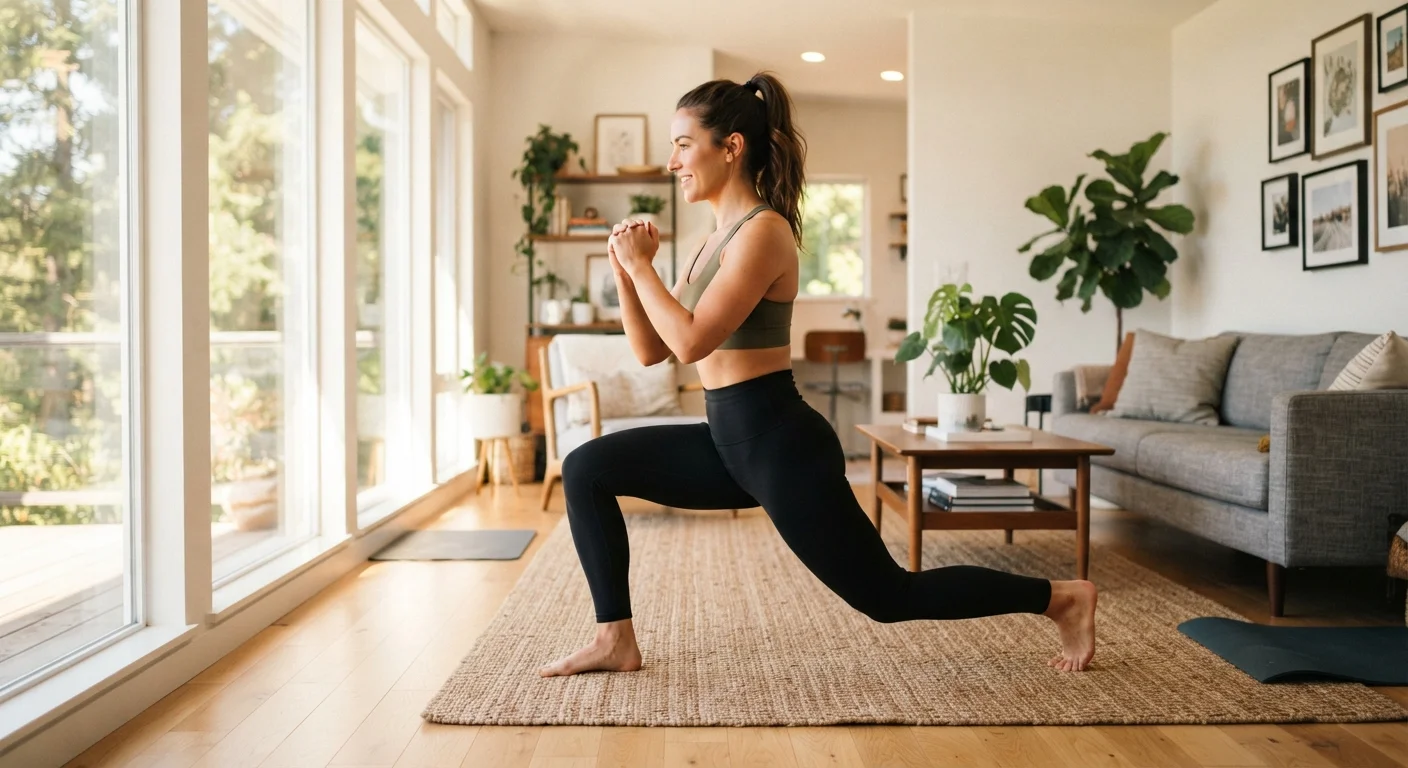
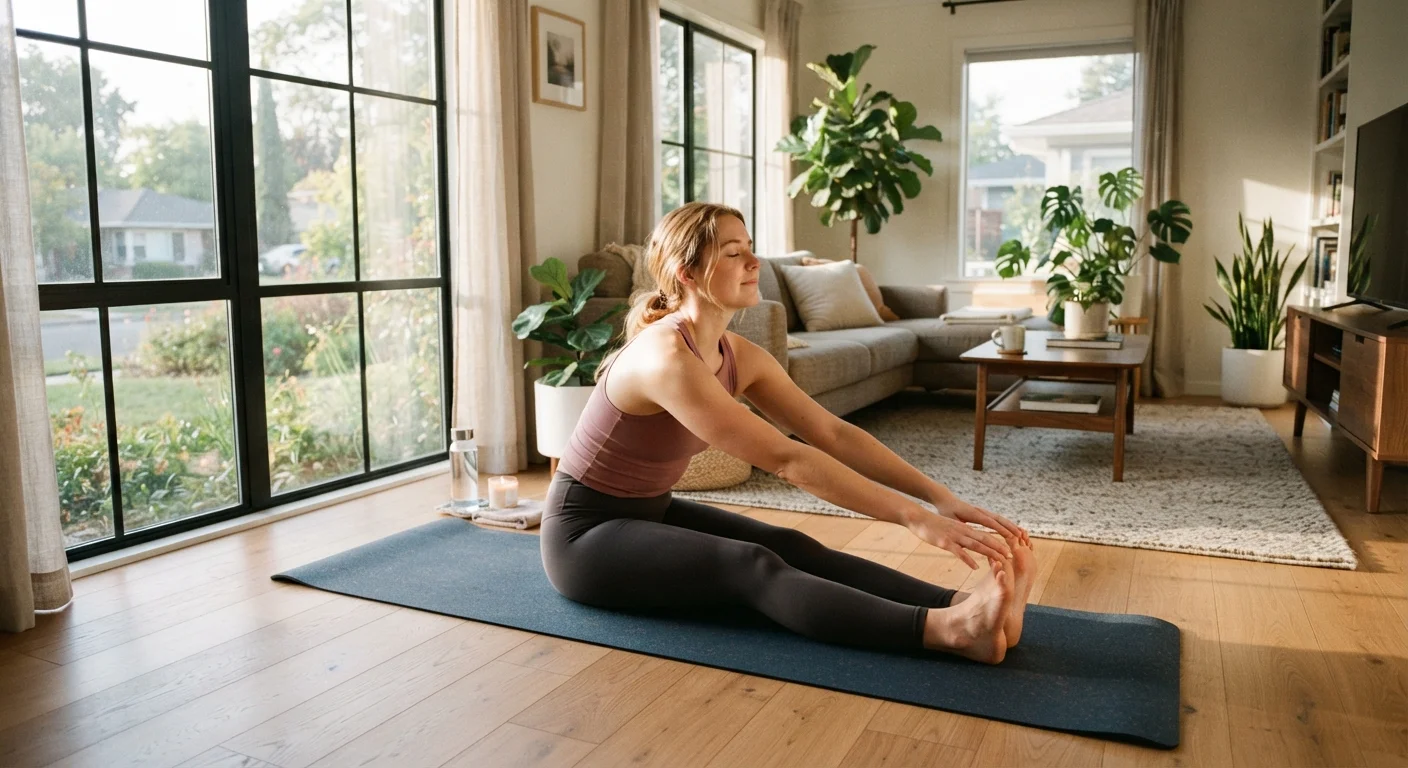
You don't need equipment to get started. Bodyweight squats, walking lunges, push-up progressions, and brisk walks around the block are all evidence-supported ways to rebuild a fitness base. If traditional workouts feel like a poor fit, everyday movement like yard work and active commuting counts too.
When renovation season throws your schedule into chaos, these strategies can help you maintain movement habits even when your home is mid-project. And don't underestimate the power of a deliberate rest day - understanding what happens during recovery and why skipping it backfires can change how you structure your whole week.
Yoga or exercise mat
Provides a non-slip, cushioned surface for floor-based bodyweight exercises and stretching at home.
Comfortable, supportive footwear
Reduces impact stress on joints during walking or standing exercises - a key safeguard when returning after a long break.
Notebook or habit-tracking app
Logging your sessions helps you notice progress, spot overtraining patterns, and stay accountable to realistic goals.
Resistance bands
Lightweight and inexpensive, these allow you to gradually add load to bodyweight movements without jumping to heavier weights too soon.
This article is for general informational purposes only and does not constitute medical advice. If you have existing health conditions, injuries, or haven't been physically active for an extended period, please consult a qualified healthcare professional before beginning any new exercise program.