Why Verification Matters Before Work Begins
Hiring someone to work on your home is one of the largest financial and legal decisions you'll make as a homeowner. Unlike buying an appliance or hiring a landscaper for a one-time mow, home improvement work creates lasting obligations - and potentially lasting liability. A contractor who isn't properly licensed or insured can leave you responsible for injuries on your property, unpermitted work that fails inspection, or mechanics' liens filed by unpaid suppliers.
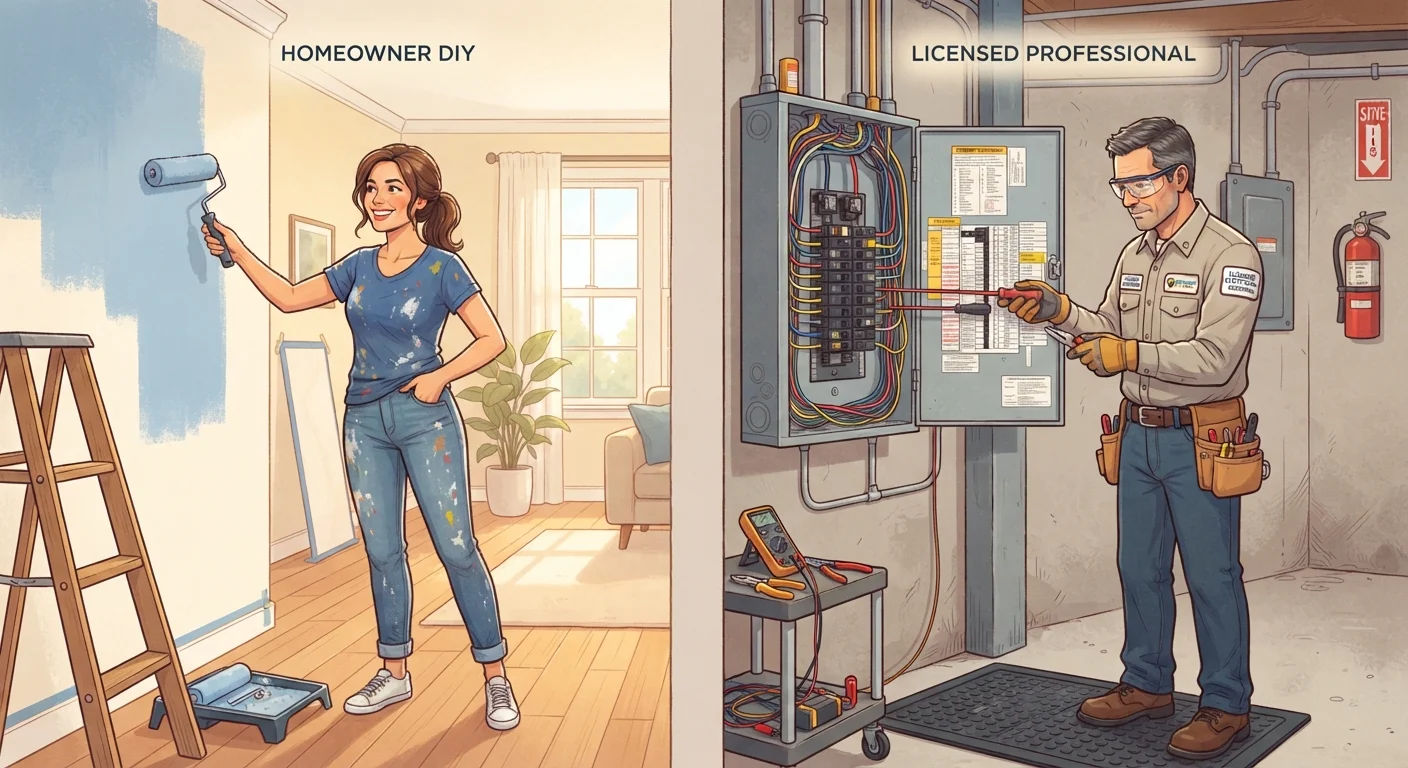
The good news: a straightforward verification checklist, completed before any contract is signed, eliminates most of that risk. If you're still deciding which jobs to hire out versus tackle yourself, understanding where that line typically falls is a smart first step.
The Core Verification Checklist
Run through each of the following items for every contractor you seriously consider - not just the one you're leaning toward hiring. The few hours this takes will pay dividends if something goes wrong.
~$6,800
Average homeowner loss to contractor fraud
The Federal Trade Commission and consumer protection agencies consistently report contractor fraud among the top categories of home-related complaints filed annually.
1 in 3
Homeowners who skip written contracts
Industry surveys from home improvement associations suggest a significant share of homeowners proceed with renovation work based on verbal agreements alone, increasing dispute risk substantially.
Once you've confirmed licensing and insurance, shift your focus to the written agreement itself. Every project, regardless of size, should begin with a written scope of work that clearly defines what will and won't be done, the materials to be used, the payment schedule, and the timeline. Vague language like "patch and paint as needed" is an invitation to disputes.
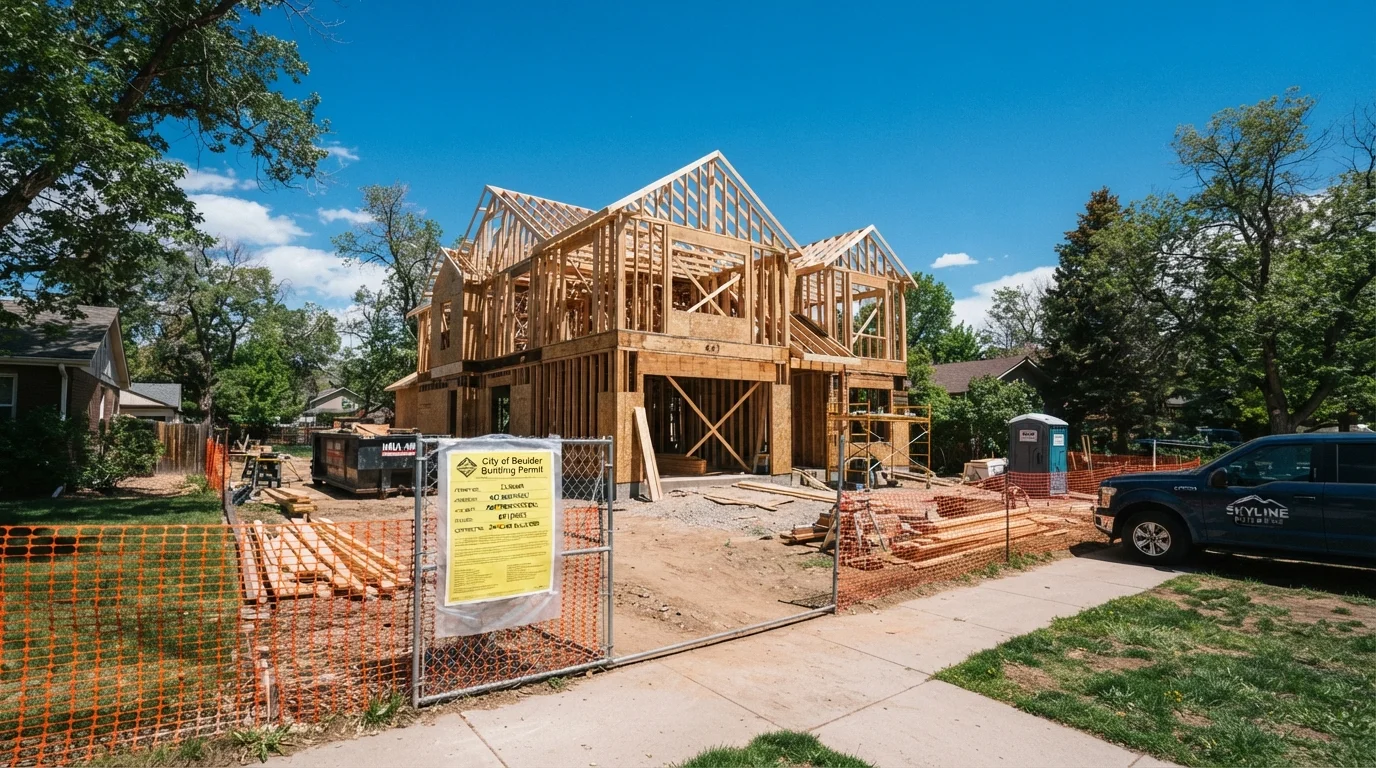
Projects involving structural changes, electrical work, plumbing, or roofing will typically require a permit - and your contractor should be pulling it, not asking you to. For a clear breakdown of when permits are legally required and what they actually cover, see what a building permit actually covers.
Quick Actions You Can Take Today
Verification doesn't require legal expertise or industry connections. Most state licensing boards have searchable online databases where you can confirm a contractor's license status, expiration date, and any disciplinary actions - in minutes. Insurance verification is equally straightforward: ask for a COI (Certificate of Insurance) naming you as the certificate holder, then call the insurance company's number on the document to confirm it's active.
For exterior work like roofing or gutters, verification is especially critical because these projects often involve subcontractors and material suppliers who could place a lien on your home if the general contractor doesn't pay them. Understanding what to look for before calling a roofer is covered in our guide to what you can safely check from the ground.
This article is for general informational and educational purposes only and does not constitute legal or financial advice. Requirements for contractor licensing, insurance, and permits vary by state and locality. Consult a qualified attorney or your local building department for guidance specific to your situation.