How Credit Score Ranges Are Structured
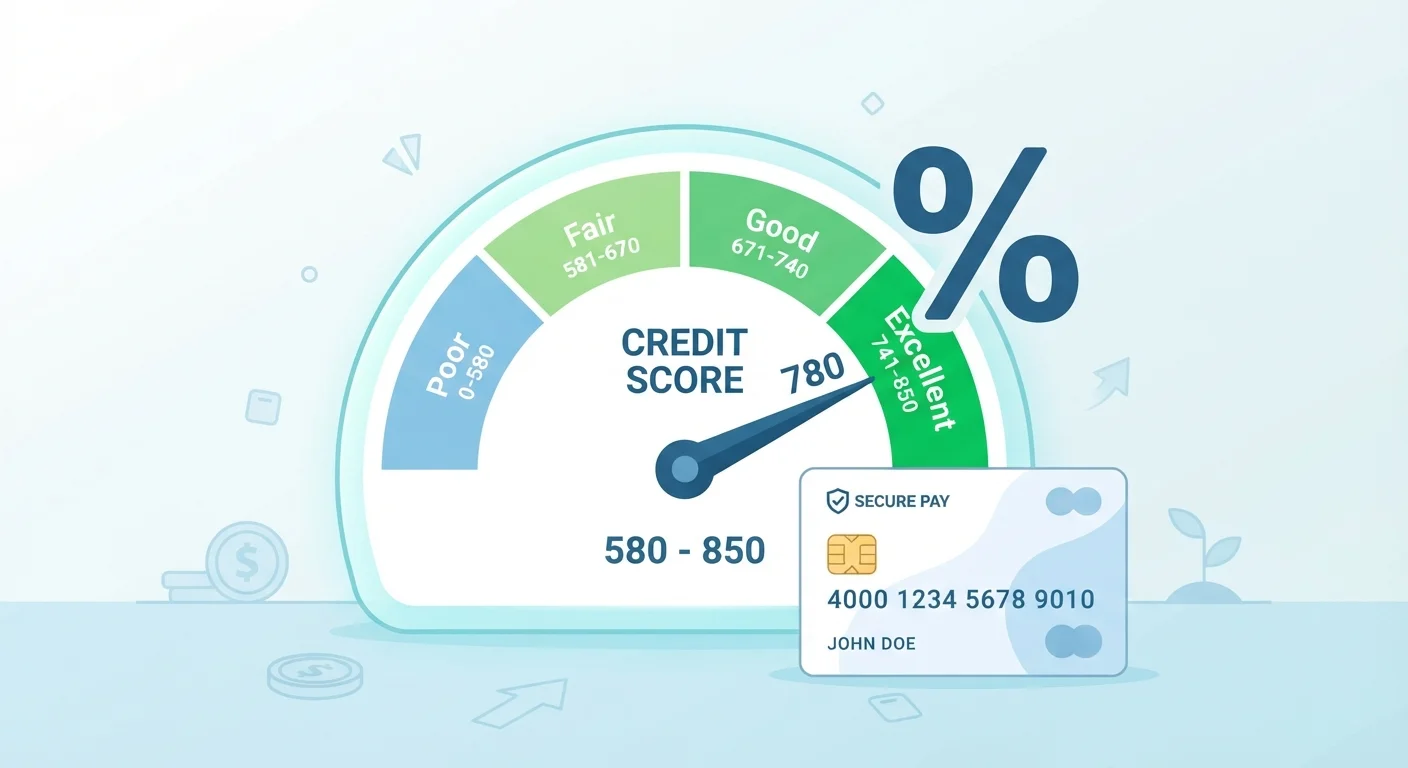
Most credit scores in the U.S. fall on a scale of 300 to 850. The two dominant scoring models — FICO and VantageScore — use this same range, though they weigh your credit behaviors somewhat differently. For a deeper look at how those models compare, see how FICO and VantageScore actually differ.
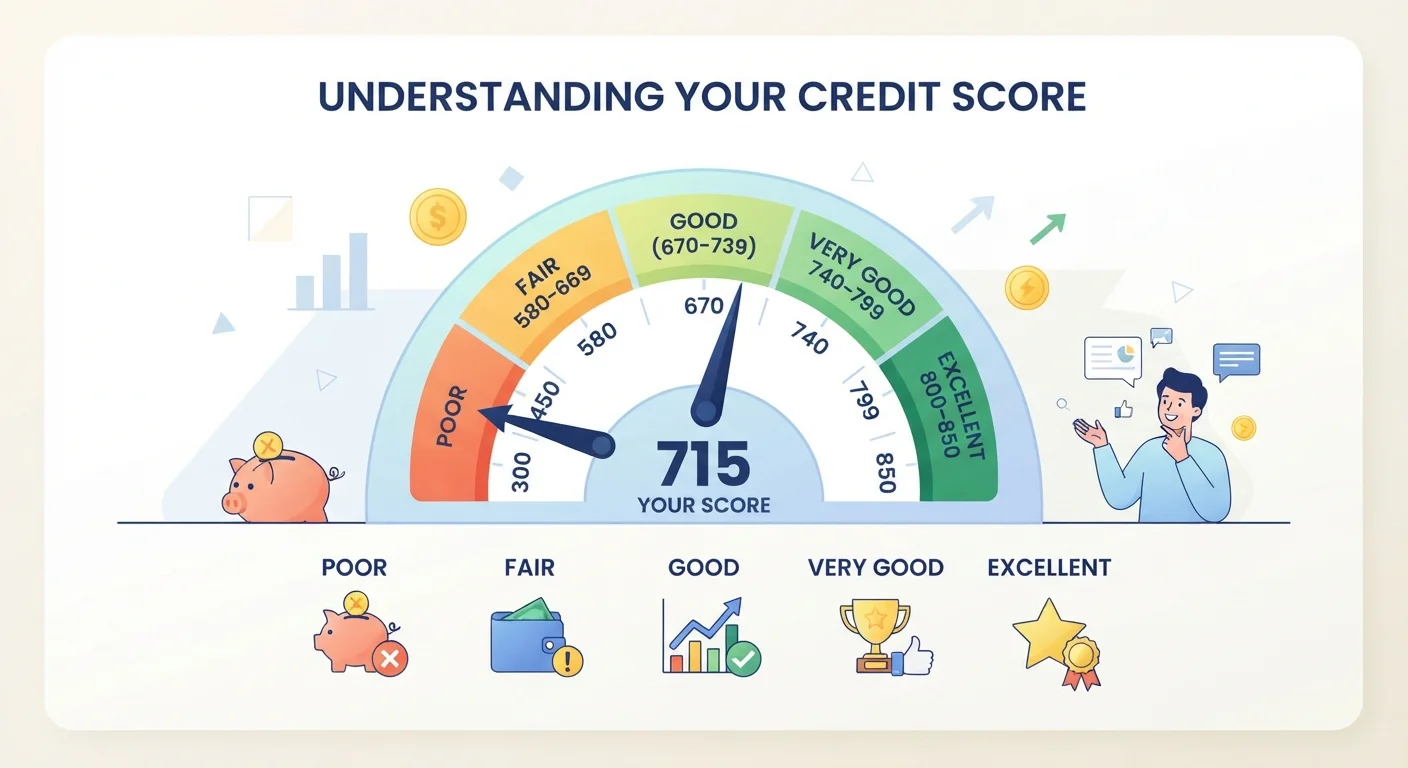
Within that 300–850 span, lenders and scoring companies divide scores into tiers, each with a label and a practical meaning. While exact cutoffs can vary slightly by lender and model, the standard FICO breakdown looks like this:
- Exceptional: 800–850
- Very Good: 740–799
- Good: 670–739
- Fair: 580–669
- Poor: 300–579
These labels are not just descriptive — they directly affect whether you're approved for credit and what interest rate you'll pay. Lenders use these tiers to make quick risk assessments before reviewing any other details of your application.
| Score Range | 300–850 (FICO and VantageScore) |
| "Good" Score Threshold | 670 (FICO) (FICO score definitions) |
| "Exceptional" Score Threshold | 800–850 (FICO) (FICO score definitions) |
| Minimum FHA Mortgage Score | 580 (with 3.5% down payment) (U.S. Department of Housing and Urban Development guidelines) |
| Number of Major Credit Bureaus | 3 (Equifax, Experian, TransUnion) |
| Score Variation Between Bureaus | Can differ by 20–50 points (General industry range; varies by individual) |
What Each Tier Means in Practice
Poor (300–579)
Scores in this range typically result from missed payments, collections accounts, bankruptcy, or very limited credit history. Most traditional lenders will decline applicants here, or offer credit only at significantly higher interest rates and with strict terms. Rebuilding from this range takes time and consistent positive habits.
Fair (580–669)
Sometimes called "subprime," this tier may qualify you for some loans and credit cards, but rarely at favorable rates. Mortgage approval is possible through certain government-backed programs with scores as low as 580, but expect stricter conditions. Even a modest improvement into the "Good" range can meaningfully lower borrowing costs.
Good (670–739)
This is the threshold where most lenders consider you a reasonably low-risk borrower. You'll generally qualify for mainstream financial products — mortgages, auto loans, and credit cards — though the best rates are still reserved for higher tiers. The majority of Americans with established credit land somewhere in this range.
Very Good (740–799)
At this level, you're well above average. Lenders compete for your business, and you'll qualify for competitive interest rates on most products. A score here reflects a long track record of on-time payments and responsible credit use.
Exceptional (800–850)
The top tier. Borrowers here receive lenders' most favorable terms, lowest rates, and highest credit limits. Reaching 800+ typically requires years of spotless payment history, low credit utilization, and a diverse credit mix. Notably, the difference between 800 and 850 is largely symbolic — both earn you the best available offers.
Lenders Set Their Own Cutoffs
The ranges above reflect standard FICO definitions, but individual lenders can set their own minimum score requirements. A bank might require a 700 for a particular mortgage product while another accepts 680. Always check the specific criteria for any product you're applying for, since published ranges are guidelines — not universal rules.
Why Your Score Isn't One Single Number
You don't have just one credit score. Different lenders pull scores from different bureaus — Equifax, Experian, or TransUnion — and may use different scoring model versions. Your score can vary by 20–50 points depending on which bureau's data is used. This is why it's worth reviewing your full credit report, not just a single score snapshot. Our guide on what your credit report actually contains explains what drives those differences.
Your score also changes month to month as new activity is reported. Paying down a large balance, opening a new account, or having a missed payment post can all shift your score within a single billing cycle. One of the most impactful levers you can control is credit utilization — how much of your available revolving credit you're using. Learn more in our explainer on how credit utilization works.
Finally, be aware that common assumptions about credit scores aren't always accurate. Checking your own score, for instance, does not lower it. For a fact-check of widespread misconceptions, see the credit score myths that keep Americans confused.
This article is for general informational and educational purposes only and does not constitute personalized financial or credit advice. Consult a qualified financial professional for guidance specific to your situation.