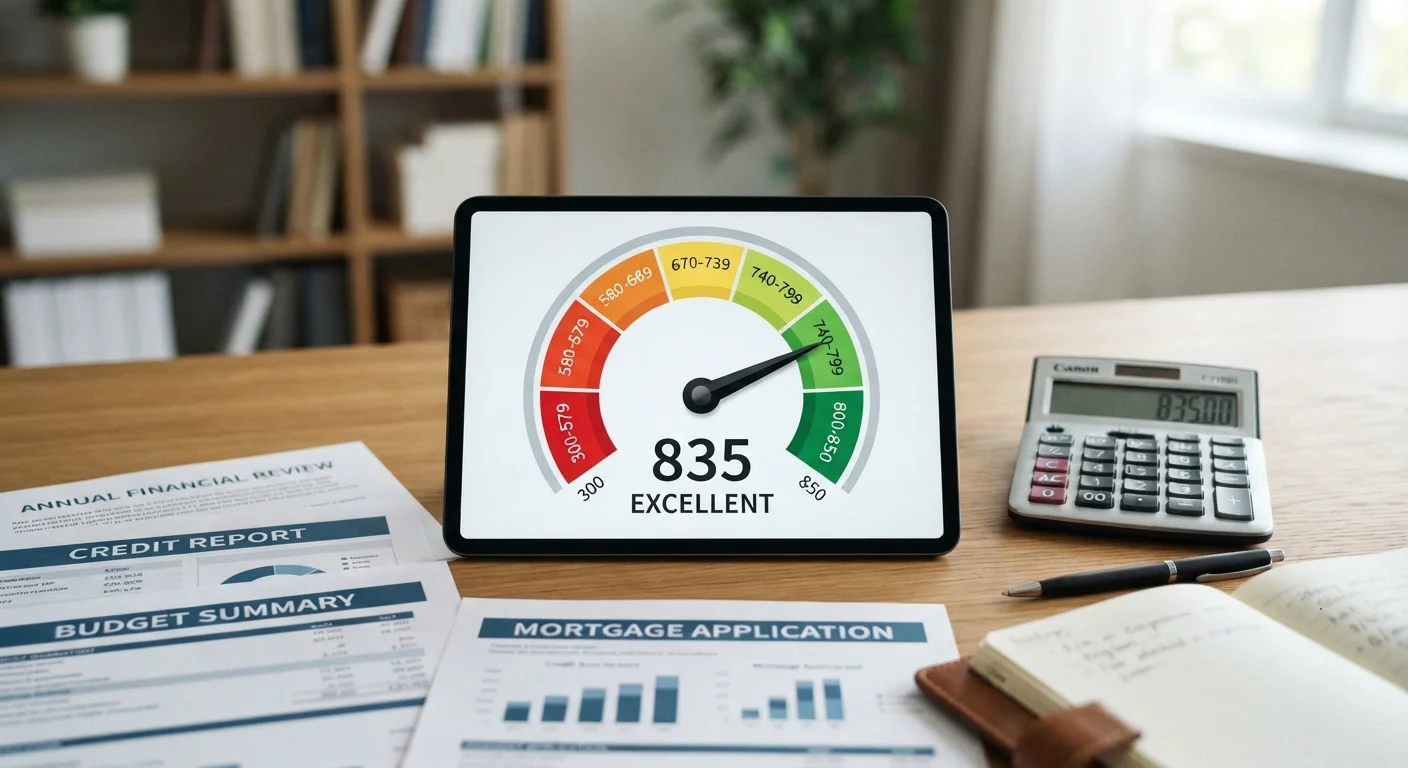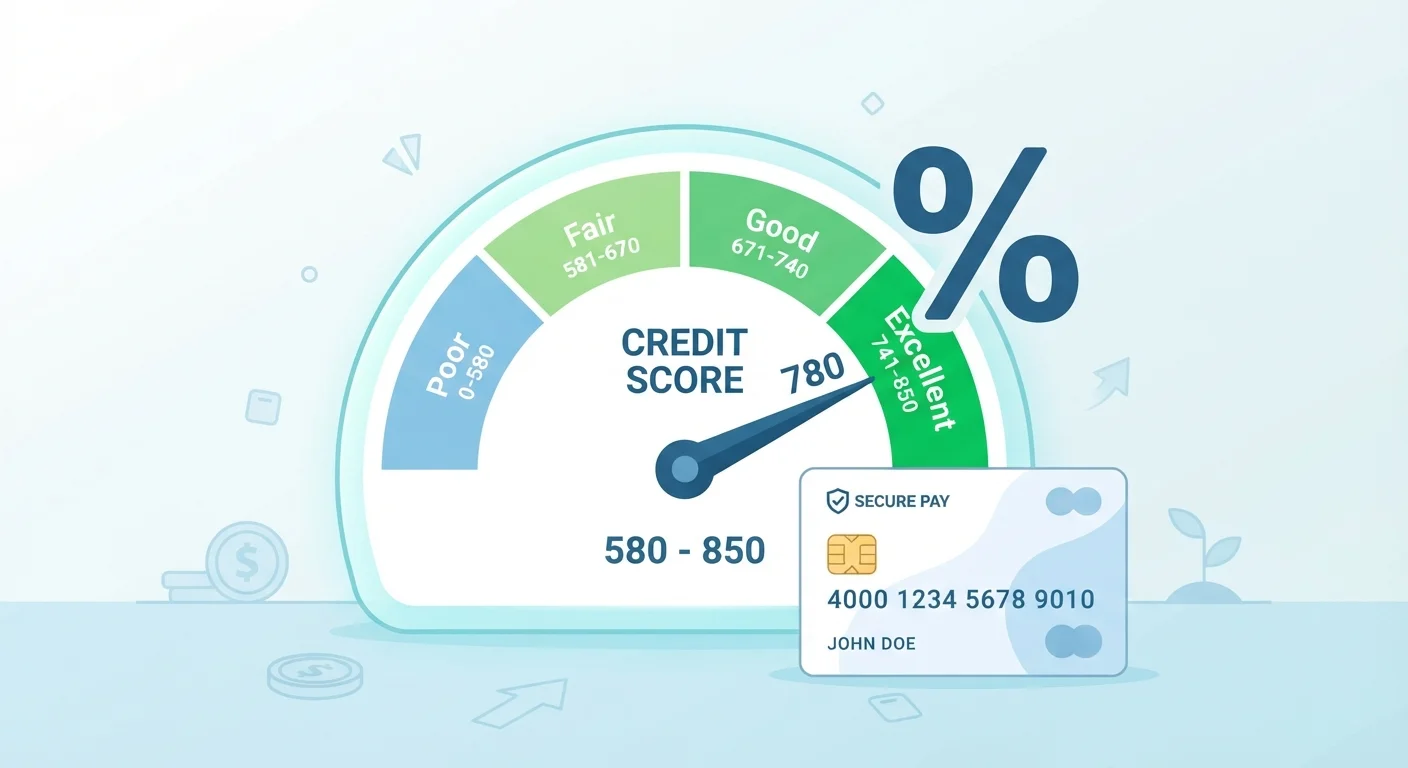
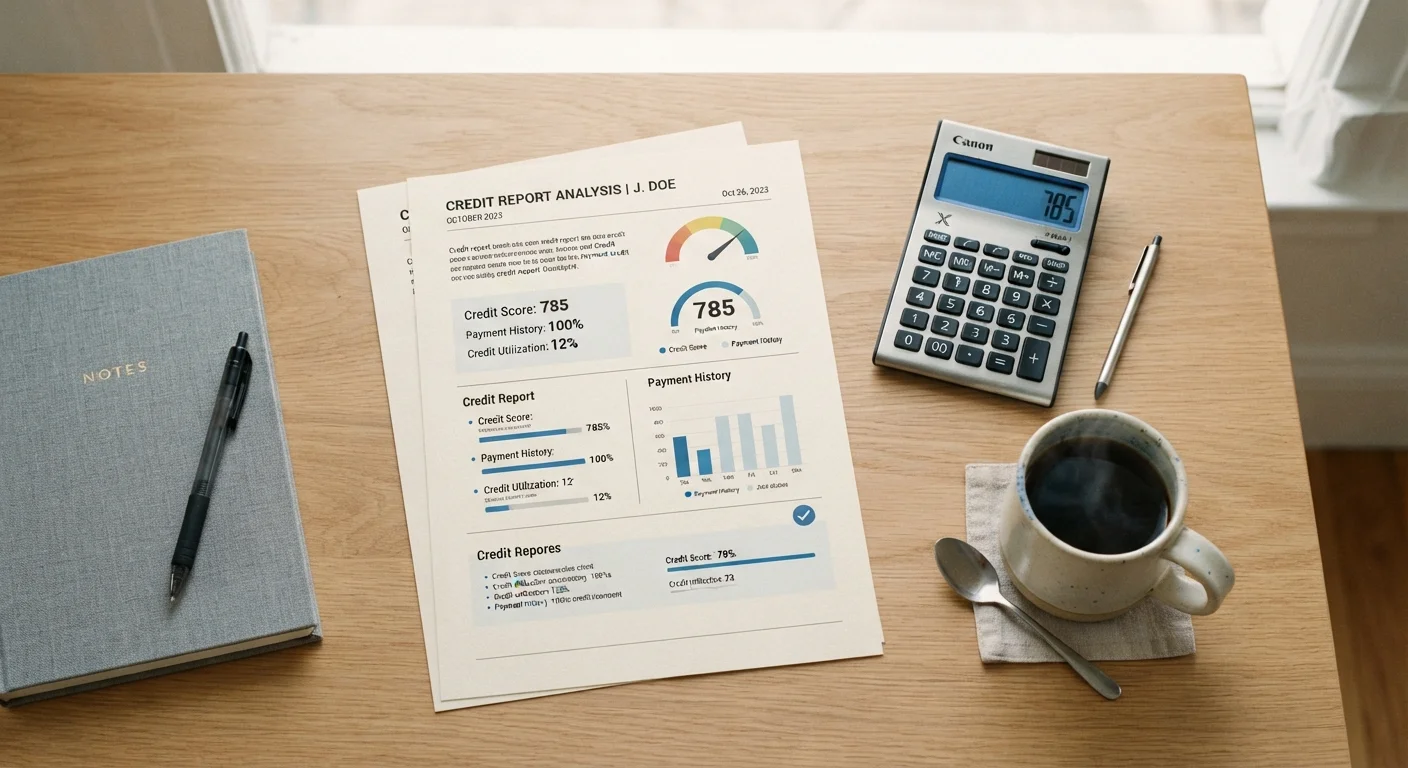
Why Credit Myths Persist
Credit scores quietly shape some of the biggest financial decisions in your life — whether you qualify for a mortgage, what interest rate you pay on a car loan, and sometimes even whether a landlord accepts your application. Yet most Americans learn how credit works through word of mouth, not formal education. That gap is fertile ground for myths.
Some misconceptions are mostly harmless. Others lead people to make choices that actively damage their scores or cost them money in unnecessary interest. The myth-and-fact pairs below address the most widespread and consequential misunderstandings, drawing on how major scoring models — primarily FICO and VantageScore — actually calculate your number. For a deeper look at how those two models differ, see how FICO and VantageScore compare.
Myth
Checking your own credit score will lower it.
Fact
Checking your own score is classified as a soft inquiry and has zero effect on your credit score.
There are two types of credit inquiries: hard inquiries, triggered when a lender pulls your report to evaluate a credit application, and soft inquiries, which include checks you initiate yourself. Only hard inquiries can affect your score, and even then the impact is typically small and temporary. Monitoring your own credit regularly is actually a best practice — it helps you catch errors and signs of identity theft early. You're entitled to free weekly reports from all three major bureaus at AnnualCreditReport.com.
Myth
Carrying a balance on your credit card each month helps build credit.
Fact
Paying your balance in full every month is better for your score — and saves you money on interest.
This myth likely originates from a confusion between using a card and carrying a balance. You do need to use a card periodically to generate activity that reporting bureaus can evaluate. But the scoring models don't reward you for paying interest. In fact, carrying a balance increases your credit utilization ratio, which can hurt your score. Paying in full each statement cycle demonstrates responsible use without costing you anything in finance charges.
Myth
Closing a credit card you no longer use is always a smart move.
Fact
Closing a card can raise your utilization ratio and shorten your credit history — both of which may lower your score.
When you close a credit card, you lose that card's credit limit from your total available credit. If you're carrying balances on other cards, your overall utilization ratio rises immediately, which can negatively affect your score. Additionally, if the card is one of your oldest accounts, closing it may eventually reduce your average account age. There are situations where closing a card makes sense — for instance, if it carries a high annual fee and you're not using it — but the decision deserves careful thought. For a detailed breakdown of the mechanism, see why closing a credit card can hurt your score.
Myth
Your income and savings directly affect your credit score.
Fact
No major credit scoring model includes income, savings, net worth, or employment status in its calculation.
Credit scores are built entirely from the data in your credit report — account history, balances, payment record, inquiries, and the types of credit you hold. A person earning a high salary with significant savings can have a poor credit score if they have a history of missed payments or high utilization. Conversely, someone with a modest income can maintain an excellent score through consistent, responsible credit behavior. Lenders may separately consider income when evaluating a loan application, but that assessment is distinct from the credit score itself.
Myth
One missed payment won't make much difference.
Fact
A single missed payment can significantly lower your score and stay on your report for up to seven years.
Payment history carries the most weight of any factor in FICO scoring — 35%. A payment that is 30 or more days late can cause a meaningful drop, especially if your score was high to begin with. The negative mark can remain on your credit report for seven years from the date of the original delinquency. The good news: its impact typically diminishes over time as you build a record of on-time payments. But the lesson is clear — consistent, on-time payment is the single most important habit for protecting your score.
Myth
Having no debt at all means you have a great credit score.
Fact
With no active credit accounts or recent activity, you may have a limited or unscoreable credit profile.
A credit score is a measure of how you manage credit — not simply whether you avoid it. If you've never held a credit card, loan, or other reported account, the major bureaus may have insufficient data to generate a score at all. This is sometimes called being "credit invisible." Lenders generally view a strong, established credit history more favorably than no history. Building credit responsibly — through a secured card, a credit-builder loan, or being added as an authorized user on an established account — is usually better than avoiding credit entirely.
What Actually Moves Your Score
Understanding the real levers of your credit score makes it far easier to protect and improve it deliberately. Under FICO's widely used model, the five factors are: payment history (35%), amounts owed or utilization (30%), length of credit history (15%), credit mix (10%), and new credit inquiries (10%). Notice what's missing: income, net worth, employment status, and savings balances. None of those appear.
Credit utilization — the percentage of your available revolving credit that you're currently using — is one of the highest-impact factors most people underestimate. Keeping individual card balances and your overall ratio well below your limits is one of the most direct ways to support a strong score. See how credit utilization works for a fuller breakdown.
26%
Americans with at least one credit report error
A Federal Trade Commission study found roughly one in four consumers had an error on at least one of their three major credit reports.
45 million
Credit-invisible Americans
The Consumer Financial Protection Bureau estimates approximately 45 million Americans have no scoreable credit history with major bureaus.
35%
Weight of payment history in FICO score
According to FICO's published scoring framework, payment history is the single largest factor in a standard FICO score calculation.
Your credit report is the raw data underlying every score, which is why errors on it matter so much. If something looks wrong — an account you don't recognize, a payment marked late that was on time — you have the right to dispute it. The credit report dispute process is more straightforward than many people assume.
Don't Ignore Unfamiliar Accounts on Your Report
An account you don't recognize could be a reporting error — or a sign of identity theft. Either way, it needs attention promptly. Reviewing your credit reports regularly and disputing inaccurate entries is your right under the Fair Credit Reporting Act. Delaying action can allow errors or fraudulent accounts to drag your score down for years.
This article is for general informational and educational purposes only. It is not personalized financial or legal advice. For guidance specific to your situation, consult a qualified financial professional.