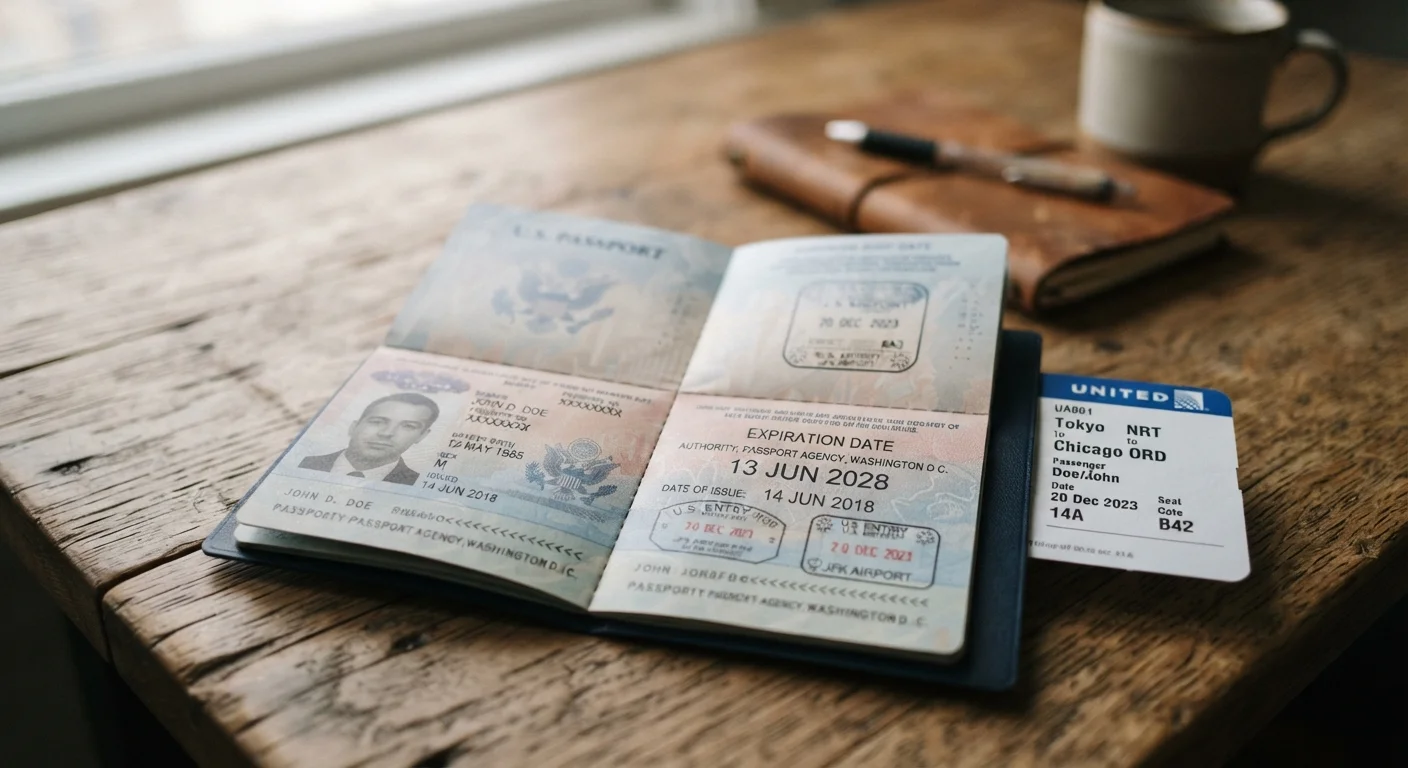
Why the Distinction Matters
Many travelers assume that getting a new U.S. passport is always the same process. In reality, the State Department routes applicants through two distinct procedures depending on their circumstances. Choosing the wrong form or submitting by the wrong method can delay your application — sometimes by weeks. Before you gather documents or pay any fees, the first step is identifying which process applies to you.
The two forms at the center of this are DS-82 (used for renewal) and DS-11 (used for first-time applicants and replacement). Renewal is designed to be convenient: eligible applicants mail their old passport with the form and fees. Replacement via DS-11 requires an in-person appearance at a passport acceptance facility — a post office, courthouse, or library authorized by the State Department. Understanding which path you're on shapes everything from your timeline to what documents you'll need to bring.
It's also worth reading up on passport validity rules that catch travelers off guard before you book a trip, since an expiring passport can create border complications even before it technically expires.
Passport Renewal vs. Replacement: A Side-by-Side Look
The table below outlines the key differences between the two processes. Review each criterion carefully — a single factor, like the age at which your passport was issued, can change your entire application route.
| Criterion | Renewal (DS-82) | Replacement (DS-11) |
|---|---|---|
| Submission method | Mail-in | In-person at acceptance facility |
| Previous passport required | Yes — submitted with application | Not required (submit if available) |
| Age issued (previous passport) | Must have been 16 or older | Any age, including under 16 |
| Lost or stolen passport | Not eligible | Required route; must also report loss |
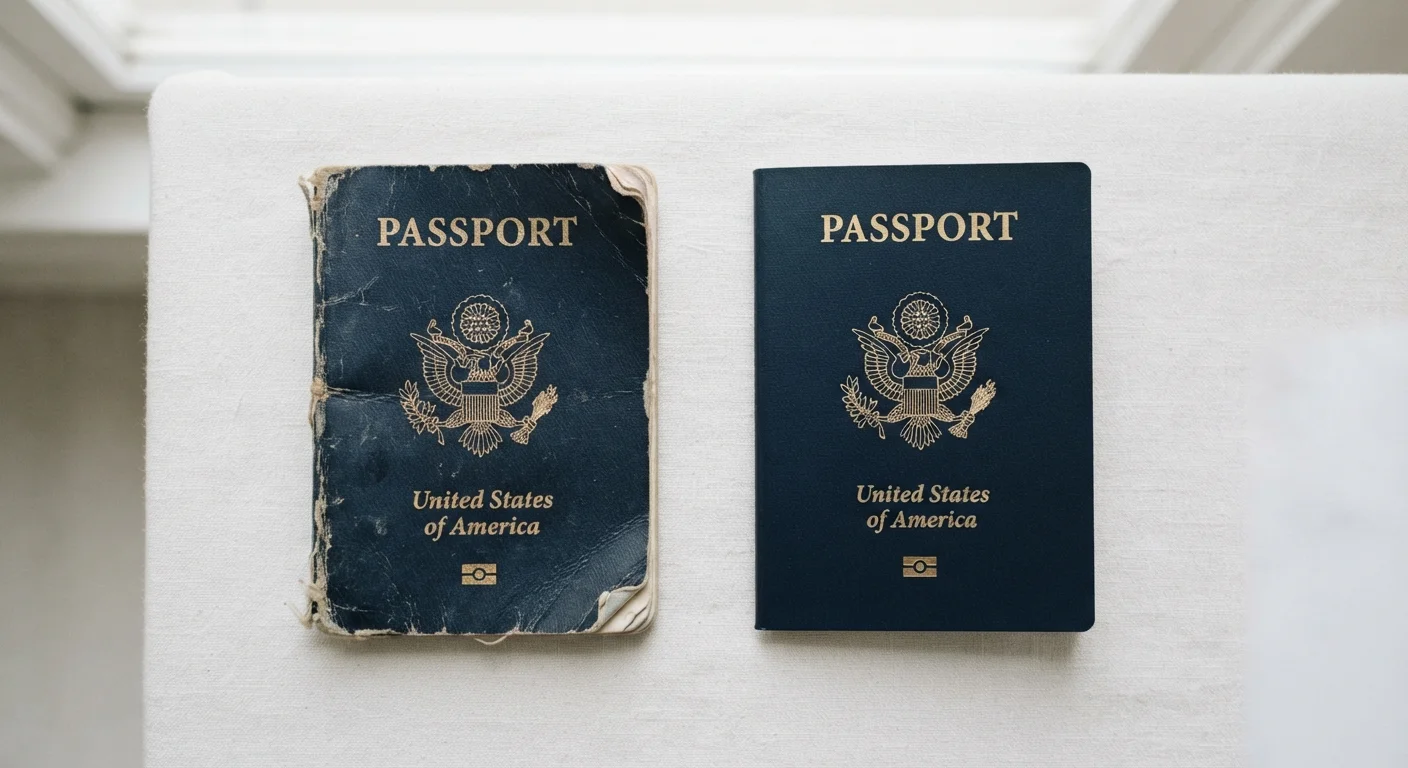
| Damaged passport | Not eligible if significantly damaged | Required route for damaged documents |
| Proof of citizenship needed | Old passport serves as proof | Separate document required (e.g., birth certificate) |
| Photo ID required at submission | Not required by mail | Required in person |
| Expedited service available | Yes | Yes |
One detail worth emphasizing: condition matters. If your passport has been through a washing machine, exposed to significant water, or is missing pages, the State Department considers it damaged and ineligible for renewal — even if it otherwise meets every other criterion. When in doubt, photograph the document and consult travel.state.gov before mailing anything.
Navigating the Replacement Process: Lost, Stolen, or Damaged
If your passport is lost or stolen, there's an additional step that doesn't apply to routine renewal: you must report it. The State Department maintains a list of lost and stolen passports, and traveling on a previously reported-lost passport — even if you later find it — can trigger serious problems at the border. You can report a lost or stolen passport at travel.state.gov or by calling the National Passport Information Center.
If You Find a Previously Reported Passport
Once you've reported a passport lost or stolen, it is permanently invalidated — even if you recover it the next day. Do not attempt to use a recovered passport that has been reported to the State Department. Submit your DS-11 application and wait for your new document. Attempting to travel on an invalidated passport can result in denial of boarding or detention at a port of entry.
Once reported, your old passport is invalidated. After completing the DS-11 application in person and receiving your new document, the recovered old passport cannot be used for travel, though you may keep it as a keepsake. If you're traveling soon after a loss, the State Department offers expedited and emergency appointment services — check their website for current availability, since appointment slots can be limited during peak seasons.
For a detailed look at managing a loss while abroad, see what happens if you lose your passport while traveling, which covers embassy contacts and emergency document procedures.
Preparing Your Application: What Both Routes Have in Common
Regardless of which process applies to you, certain requirements are universal. You'll need a recent passport photo that meets State Department specifications — specific size, background color, and head position rules apply, so review the guidance at travel.state.gov or have a photo taken at an authorized vendor. You'll also pay applicable fees, which differ between routine and expedited service. Fee amounts change periodically, so always confirm the current schedule on the official site before submitting payment.
For DS-11 applicants, bring proof of U.S. citizenship (such as a birth certificate or previous passport) and a valid government-issued photo ID to your in-person appointment. DS-82 renewal applicants mail their most recent passport as the primary identity document.
~18 weeks
Routine processing time during peak demand
The U.S. State Department has reported routine passport processing times extending to 18 weeks or longer during high-volume travel seasons — expedited service can reduce this but does not guarantee a specific turnaround.
2–3 inches
Required passport photo head size (top to chin)
The State Department specifies that the head in a passport photo must measure between 1 inch and 1⅜ inches from the bottom of the chin to the top of the head, within a 2×2 inch photo — a common point of rejection if not followed precisely.
Processing timelines fluctuate with demand. The State Department publishes current estimated times for both routine and expedited service on their website — check these before deciding whether to pay for expedited processing. If you're also curious how credential renewal works in other contexts, keeping credentials current offers a useful parallel framework for staying ahead of expiration deadlines.
Finally, once you have a valid passport in hand, make sure you understand the validity requirements your destination enforces. Many countries require six months of remaining validity beyond your departure date — a rule explored in detail in our guide on travel document myths that could derail your trip.
This article provides general informational guidance about U.S. passport application processes. Requirements, fees, and processing times are subject to change. Always verify current details at the official U.S. Department of State website (travel.state.gov) before submitting any application.