Why Depreciation Hits Hardest in Year One
The transition from new to used happens the instant you accept delivery of a vehicle. Dealerships price new cars at a premium that reflects factory warranty, untouched condition, and the psychological value of being first. Once you leave the lot, none of those premiums transfer fully to a private resale - and that gap is your first depreciation hit.
Industry data consistently shows new cars losing somewhere between 15% and 25% of their purchase price during the first twelve months. By year five, the cumulative loss often reaches 60% or more of the original sticker price. The rate does slow down over time: a vehicle that drops $5,000 in year one may lose only $1,500 in year four, simply because the base value is lower.
This steep early curve is why many financial planners and automotive advisers suggest considering a vehicle that is one to three years old. Someone else has already absorbed the sharpest decline, yet the car may still carry remaining factory warranty coverage and relatively low miles.
~20-25%
Value lost in the first year of ownership
Industry estimates consistently place first-year depreciation for new vehicles in this range, though the exact figure varies by make, model, and market conditions.
~60%
Cumulative value lost over five years
Many new vehicles lose more than half their original purchase price within five years, making depreciation the single largest component of total ownership cost for most drivers.
$350+
Monthly depreciation equivalent on a $35K vehicle
Spreading a five-year $21,000 value loss across 60 months illustrates how significant depreciation is as a monthly cost, even though it never appears on a bill.
The Factors That Drive Depreciation Faster - or Slower
Depreciation is not a flat rate applied equally to every vehicle. Several variables shape how quickly a specific car loses value:
- Mileage: Lenders and appraisers use annual mileage benchmarks - typically around 12,000-15,000 miles per year - as a baseline. Consistent overages compress resale value more than age alone.
- Accident and title history: A reported collision, even one with quality repairs, can reduce a vehicle's value by a meaningful margin. Clean title status matters to buyers.
- Condition and maintenance: Documented service records, clean interiors, and functioning systems signal lower risk to buyers and support higher offers.
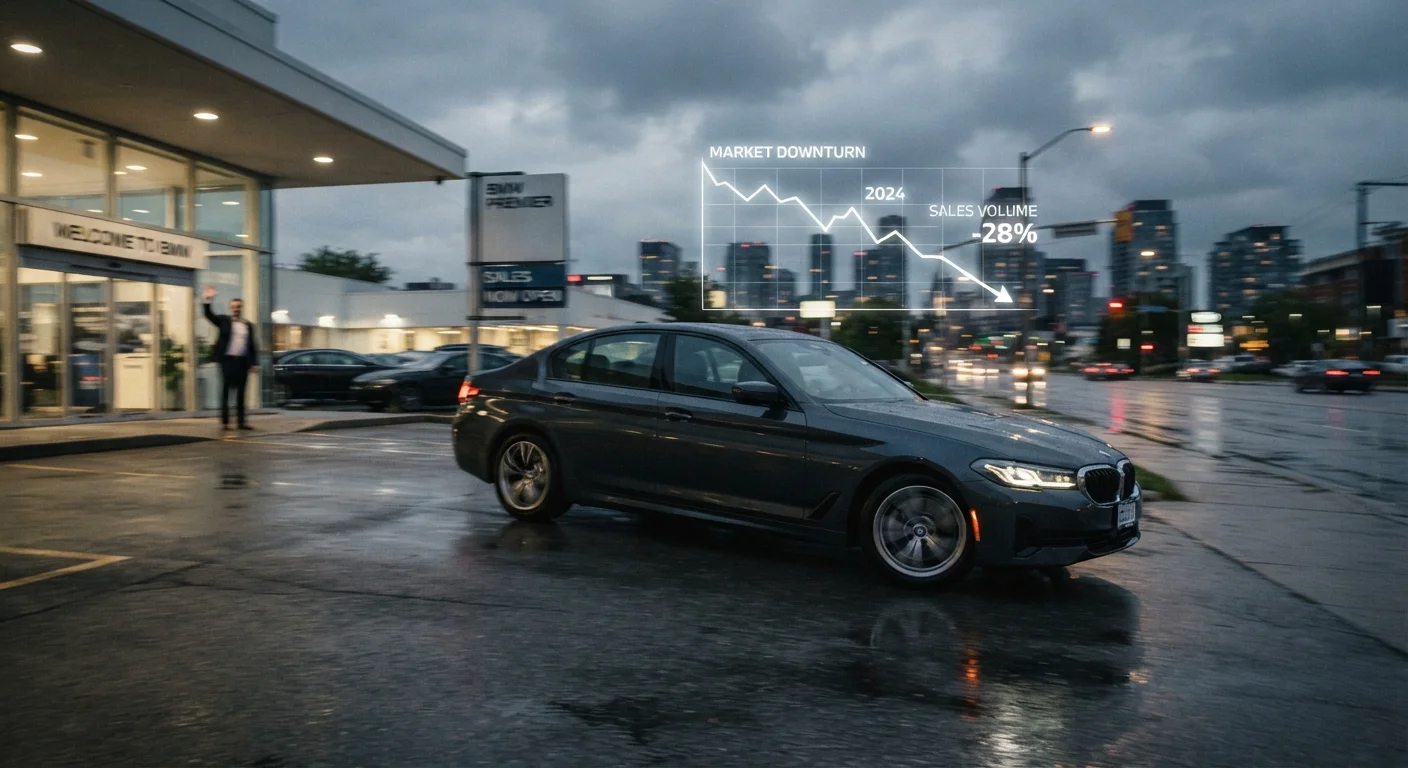
- Brand and model demand: Vehicles with strong consumer demand - often practical trucks, crossovers, and hybrid models with low operating costs - tend to retain value better. Niche or luxury vehicles with high maintenance costs can depreciate faster.
- Fuel economy and powertrain trends: As fuel prices shift and electrification grows, vehicles with poor efficiency ratings or discontinued powertrains can see accelerated value declines.
For a broader look at how these dynamics interact with your total annual spend, see the true cost of owning a car beyond the monthly payment.
How Depreciation Affects Your Budget in Practical Terms
Because depreciation is not a monthly bill, it's easy to ignore. But it represents real money leaving your personal balance sheet. Consider: if you purchase a vehicle for $35,000 and sell it five years later for $14,000, you've absorbed $21,000 in depreciation - roughly $350 per month over that period, before you factor in fuel, insurance, or maintenance.
This is why total cost of ownership (TCO) analysis matters so much. Depreciation is often the largest single line item in that calculation, yet most buyers focus entirely on the monthly loan payment. For a complete look at how TCO is calculated, this end-to-end guide breaks down every cost from purchase to sale is a useful starting point.
Depreciation also intersects with insurance in an important way. If your vehicle is declared a total loss, your insurer pays the actual cash value - meaning the depreciated market value, not what you originally paid. Drivers who financed a vehicle with a small down payment may find they owe more on the loan than the car is worth, a situation often called being "underwater" or "upside down." Understanding this risk early helps you make smarter decisions about loan terms and coverage levels.
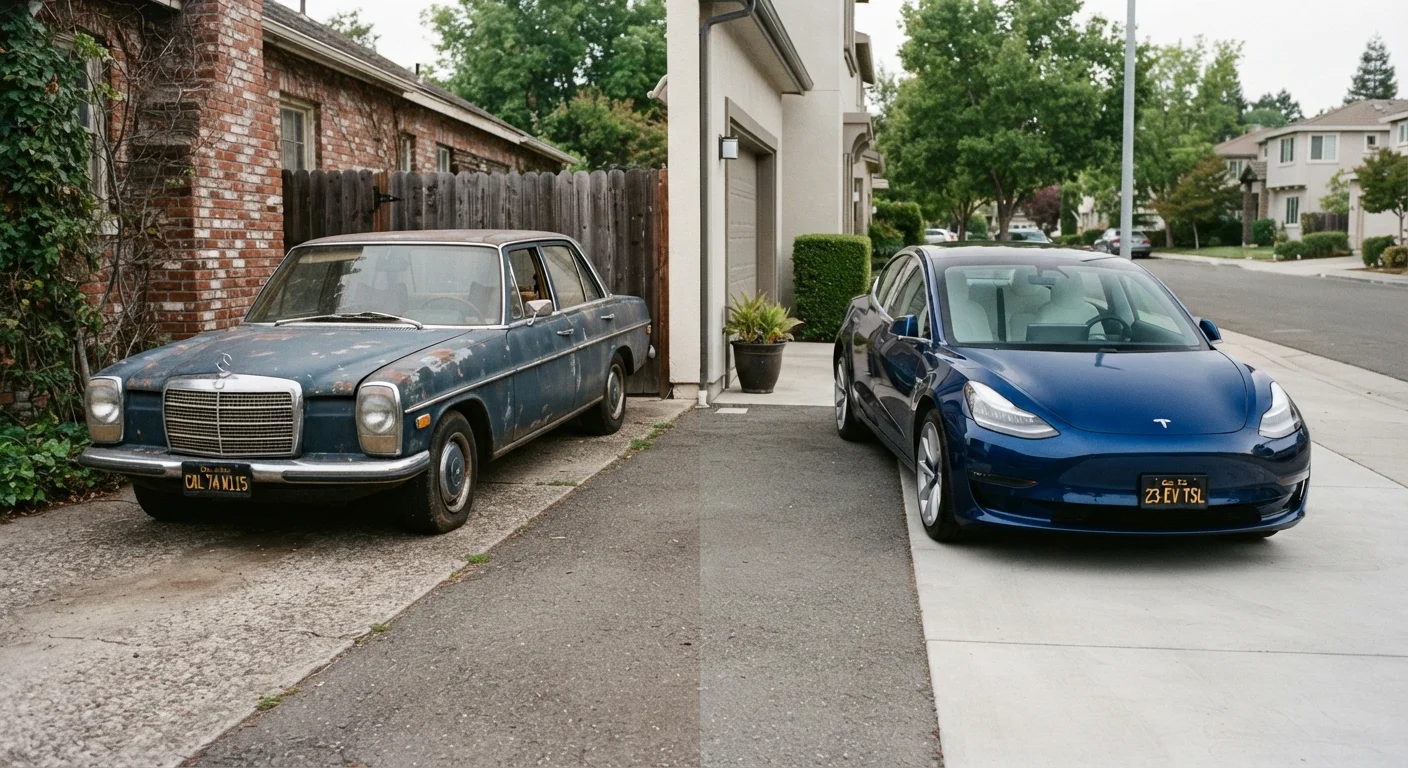
For a side-by-side look at how depreciation exposure differs across new and older vehicles, this breakdown of new vs. older car costs covers the tradeoffs clearly.
This article provides general financial education about vehicle ownership costs and is not personalized financial or purchasing advice. Consider speaking with a qualified financial professional before making significant vehicle purchasing decisions.