What Paint Sheen Actually Means
Paint sheen refers to the amount of light a dried paint surface reflects. It's determined by the ratio of pigment to binder in the formula - more binder creates a smoother, more reflective film. Manufacturers measure sheen using a gloss unit (GU) scale, but for practical purposes, what matters is where each finish falls on the spectrum from flat to glossy.
The common interior finishes, from least to most reflective, are: flat/matte, eggshell, satin, semi-gloss, and high-gloss. Each step up in sheen means a more durable, washable surface - but also one that shows more surface imperfections. If you're new to home terminology, our guide to home maintenance terms covers foundational vocabulary that helps when tackling projects like painting.
The decision isn't just aesthetic. The wrong finish in the wrong room can mean walls that scuff easily, look washed out, or highlight every nail pop and drywall seam you were hoping to hide.
Matte, Eggshell, and Satin: A Direct Comparison
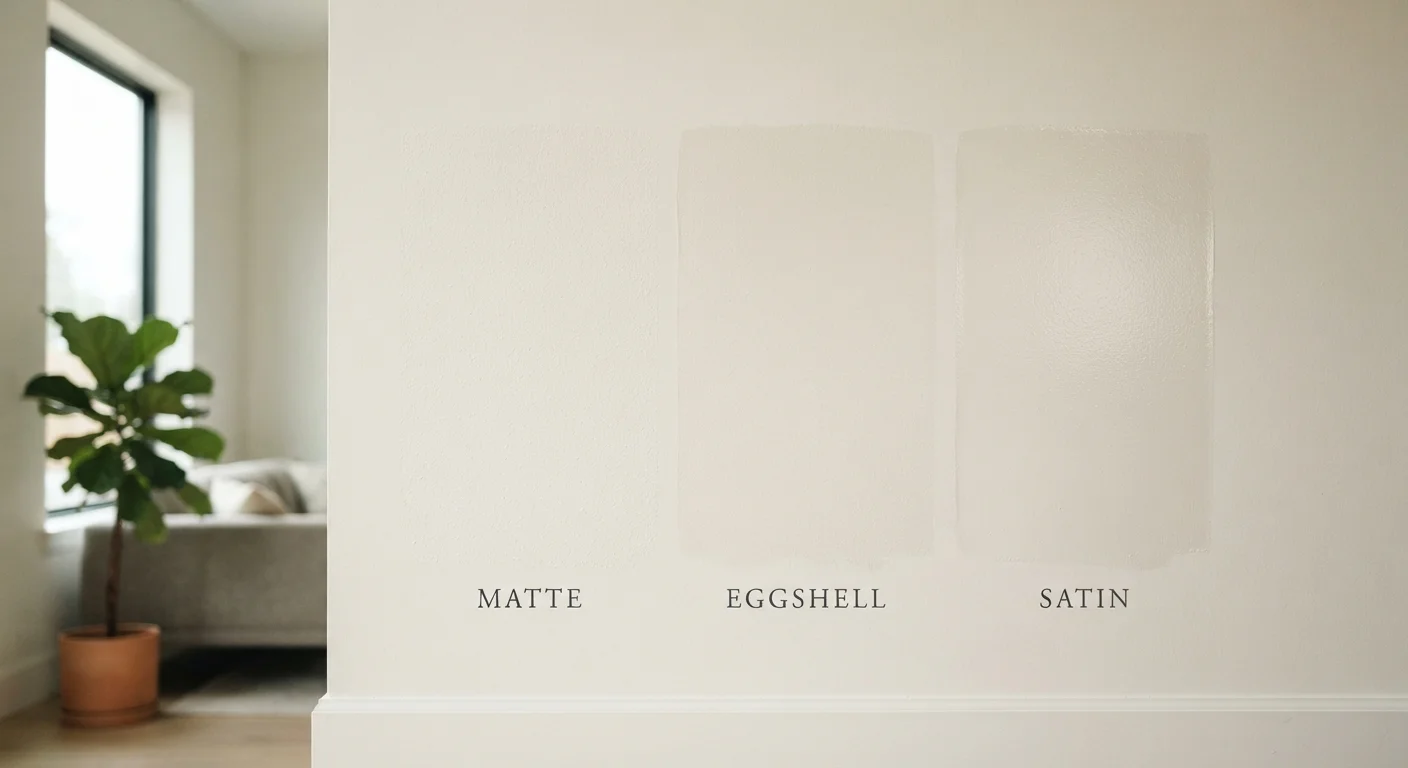
Understanding the practical trade-offs between the three most commonly used interior finishes makes it easier to assign the right one to each room.
| Matte | Eggshell | Satin | |
|---|---|---|---|
| Sheen level | Very low / no reflection | Slight, soft reflection | Noticeable, pearl-like sheen |
| Washability | Low - light dabbing only | Moderate - gentle wiping | High - can scrub with mild cleaner |
| Hides imperfections | Excellent | Good | Fair |
| Moisture resistance | Poor | Moderate | Good |
| Best surfaces | Bedrooms, ceilings | Living rooms, dining rooms | Kitchens, bathrooms, hallways |
| Touch-up ease | Easy - blends well | Moderate | Harder - sheen shows patches |
One detail worth noting: matte and flat are sometimes used interchangeably, but matte typically has a slightly higher sheen than true flat - enough to allow light scrubbing without the chalky look of flat paint. Most paint manufacturers now sell matte formulas marketed specifically for easier cleaning, which has made it more practical for everyday rooms.
Room-by-Room Recommendations
Bedrooms and formal spaces: Matte is the classic choice here. The non-reflective surface creates a soft, restful atmosphere and hides minor drywall imperfections well. Since these rooms see limited moisture and direct contact, durability is less of a concern.
Living rooms and open-plan areas: Eggshell is the go-to. It offers just enough sheen to hold up to occasional wiping - fingerprints near light switches, scuffs from furniture - while still looking refined. It handles varied lighting conditions better than flat finishes.
Kitchens and bathrooms: Satin earns its place here. These rooms generate steam, splatter, and frequent surface contact. Satin's smooth film resists moisture penetration and can be scrubbed with mild cleaners without dulling. Some homeowners opt for semi-gloss in bathrooms for even more water resistance.
Hallways and kids' rooms: High-traffic areas benefit from eggshell at minimum, but satin is the more durable choice if you're painting and don't want to repaint within two years. The cleanability difference between eggshell and satin becomes obvious fast when crayons or muddy handprints are involved.
Ceilings: Flat or ceiling-specific paint is standard. The non-reflective surface hides the texture and minor inconsistencies common on ceilings, and ceilings are rarely scrubbed, so washability doesn't factor in. If your walls come out patchy, it's often a prep issue - see our article on why freshly painted walls look patchy for causes and fixes.
Test Your Finish Before Committing
Paint a 12-by-12-inch sample of each finish you're considering on the actual wall and observe it at different times of day. Morning light and evening lamp light can make the same finish look surprisingly different. This step costs almost nothing and prevents expensive do-overs.
Surface Prep Matters More as Sheen Increases
A matte finish is forgiving - it diffuses light rather than reflecting it, which visually softens small bumps, seams, and texture variations. Satin and semi-gloss do the opposite: they catch and bounce light, making every unpatched nail hole and sanding scratch more visible.
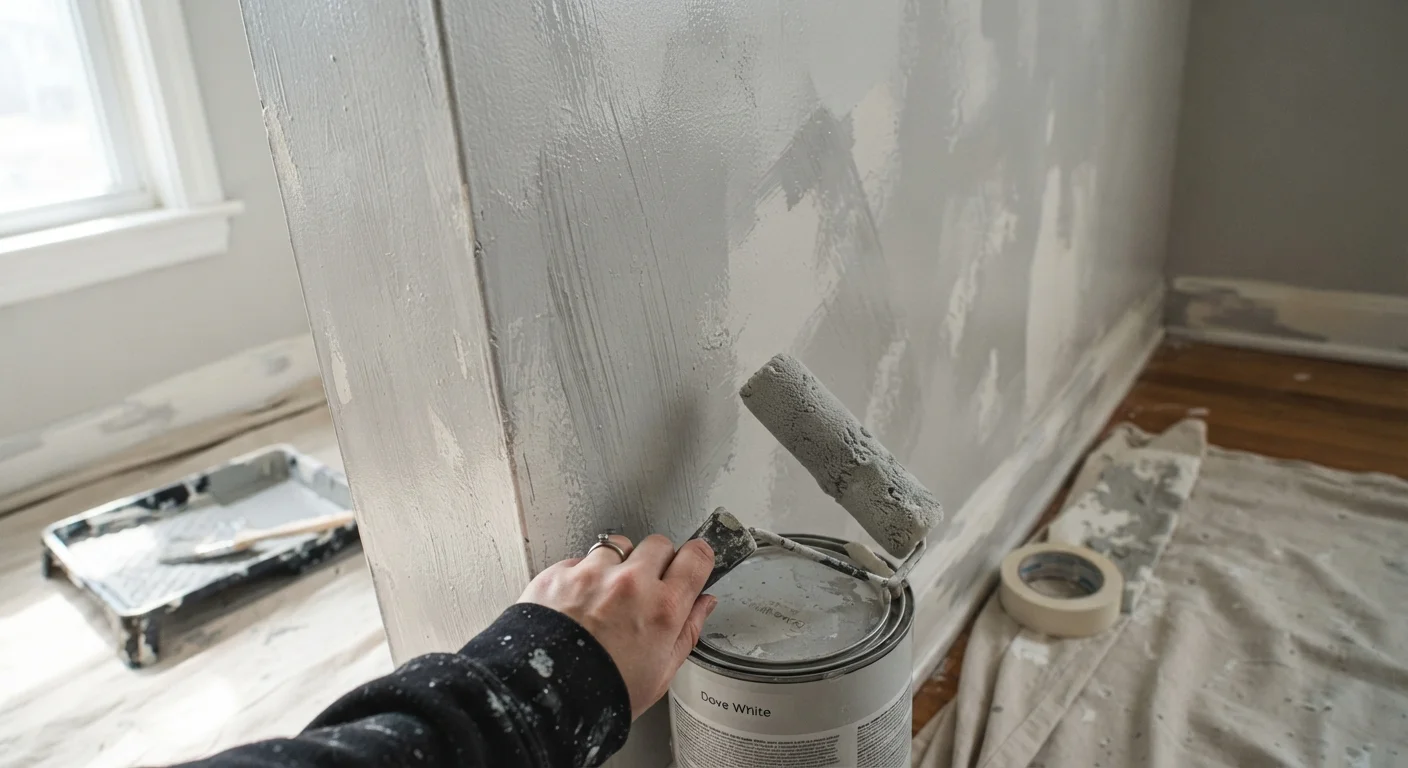
Before applying a higher-sheen finish, fill any holes with spackling compound, sand smooth, and prime. If you're painting over a color that's significantly different in value or sheen, primer also prevents the old finish from telegraphing through. Skipping prep is the most common reason a paint job that looked good at the hardware store looks rough on the wall.
The rule of thumb: the glossier the finish, the more prep work is required to get a clean result. If your walls have significant texture or damage, matte or eggshell will look better on the first try with less preparation effort.
Using Finish Strategically to Shape a Room
Beyond function, finish is a design tool. Painting trim and doors in semi-gloss while walls stay in eggshell creates visual separation and makes architectural details pop - a technique used in most professionally painted interiors. The contrast doesn't require different colors; the sheen difference alone defines the boundary.
Similarly, painting an accent wall in a slightly higher sheen than the surrounding walls creates subtle depth without introducing a second color. In a north-facing room that gets limited sunlight, eggshell on walls (instead of matte) can help the space feel a touch brighter without going full glossy.
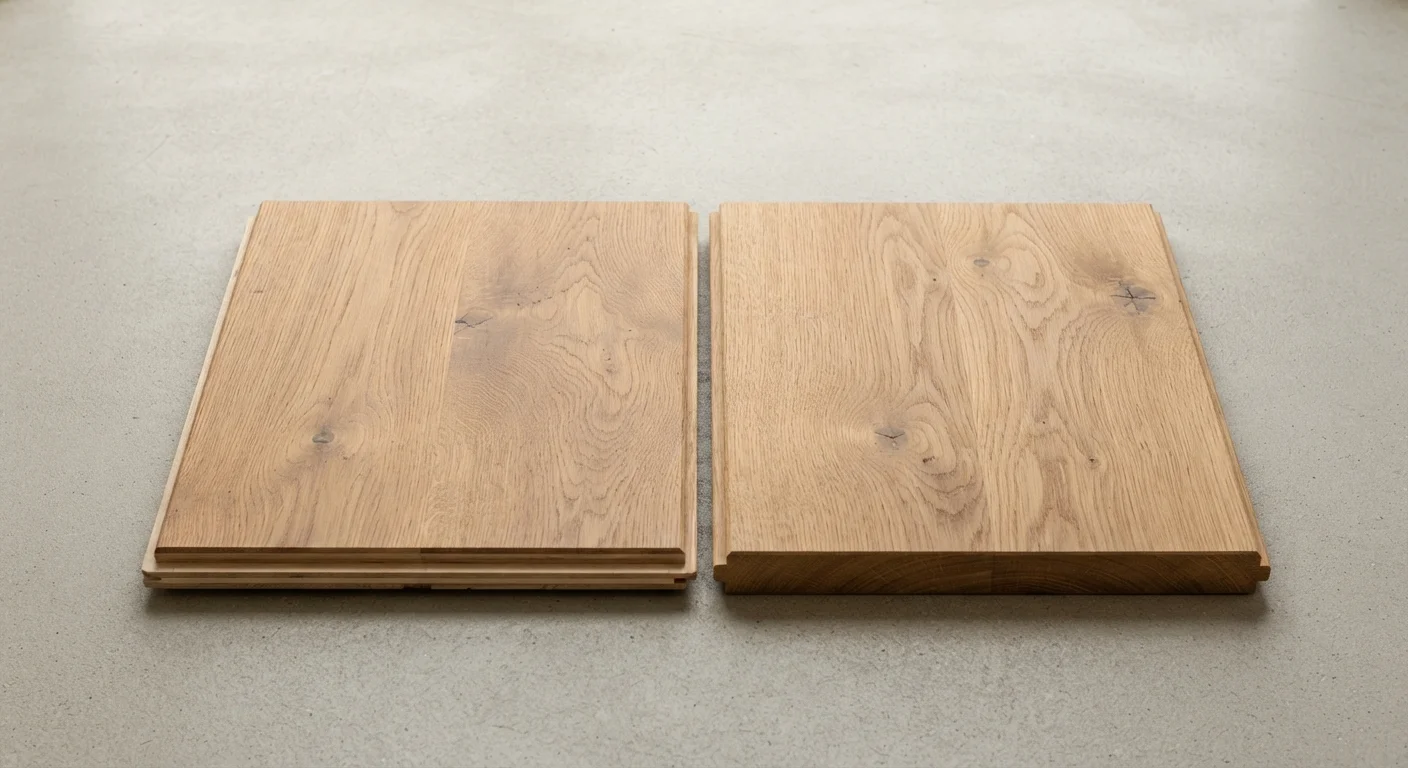
Finish decisions pair naturally with other surface-level upgrades. If you're also rethinking your floors, our comparison of engineered vs. solid hardwood flooring can help frame those choices alongside your wall treatments for a cohesive result.