
Why Renovation Myths Are So Expensive
Home renovation is one of the largest investments a homeowner makes - and it's one of the areas most cluttered with confident-sounding misinformation. Some myths are inherited from well-meaning relatives. Others come from home improvement television, where budget reveals are edited for drama and permits are rarely discussed. Whatever the source, acting on faulty assumptions tends to cost real money.
The myths below don't just apply to one type of project. They show up in kitchen remodels, bathroom overhauls, landscaping decisions, and basement finishing jobs alike. Understanding where these beliefs come from - and why they don't hold up - helps you make smarter choices before you commit a dollar or pick up a tool. For a broader look at where the DIY line typically falls, see our guide to DIY vs. licensed contractor decisions.
Myth
DIY always saves money compared to hiring a contractor.
Fact
DIY can save money on straightforward tasks, but mistakes, tool rentals, material waste, and redo costs often close - or reverse - the gap.
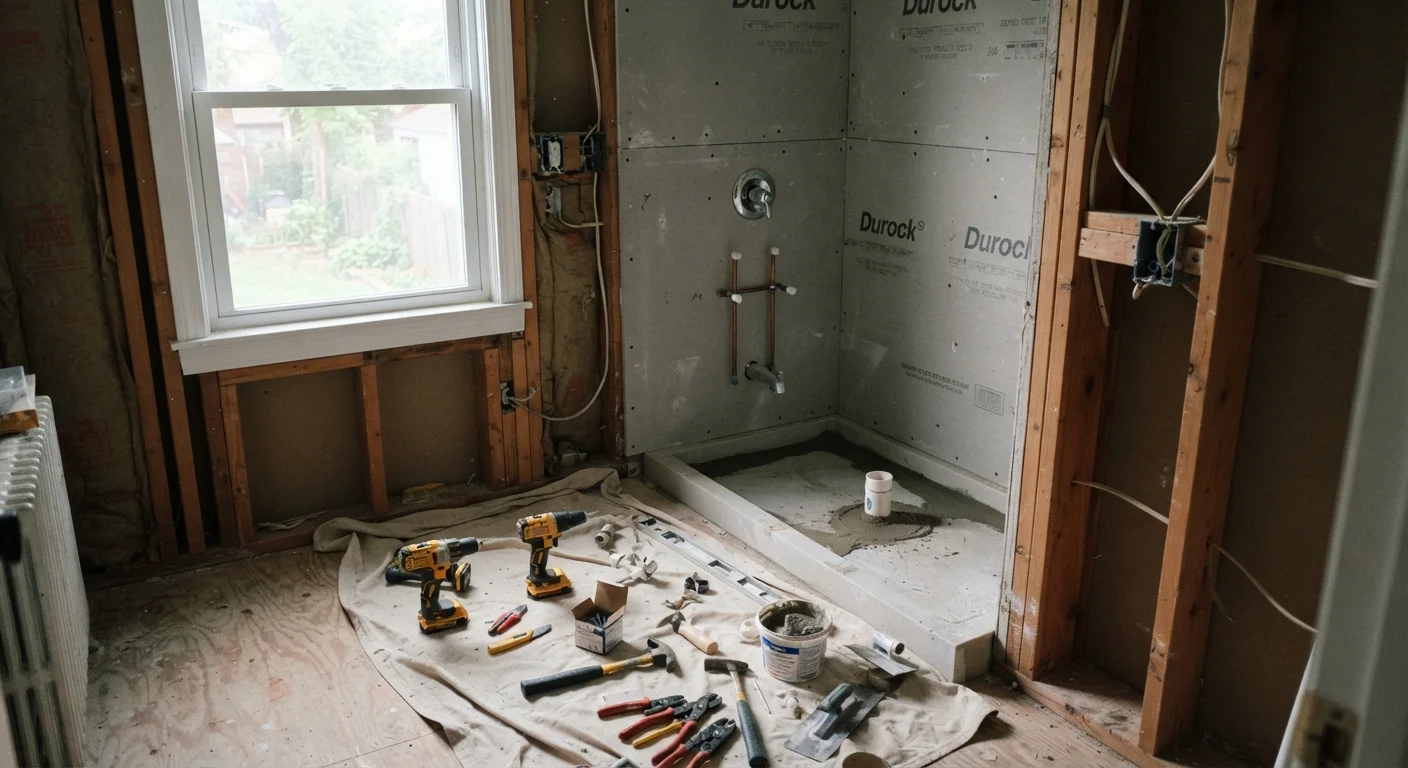
The appeal of DIY is real: you cut out labor costs, which can be substantial. But labor cost is only one variable. First-time tilers, for example, frequently underestimate grout waste, purchase more material than needed, or set tiles unevenly - creating a redo job that costs more in materials alone than a professional's original quote. Add rented equipment, your own time at an honest hourly rate, and the occasional structural or electrical mistake that requires a licensed fix, and DIY's financial case weakens considerably. Some tasks - painting, basic landscaping, simple fixture swaps - are genuinely DIY-friendly. Others, particularly anything involving electrical panels, gas lines, or load-bearing walls, carry safety and code risks that make professional work the financially sound choice as well as the safe one.
Myth
Premium finishes like granite countertops always add equivalent value to your home.
Fact
High-end finishes rarely return their full cost at resale, and the return depends heavily on your neighborhood's price ceiling.
Real estate professionals often reference the concept of over-improving - spending more on upgrades than the local market will support. A $15,000 granite countertop installation in a neighborhood where comparable homes sell for $180,000 is unlikely to yield $15,000 in added sale price. Buyers calibrate their offers against nearby sales, not your upgrade receipts. Remodeling industry research has historically shown that even mid-range kitchen remodels recoup only a fraction of their costs nationally, with significant regional variation. Cosmetic updates - fresh neutral paint, refinished hardware, improved lighting - often deliver better cost-to-value ratios precisely because they're inexpensive and broadly appealing.
Myth
You don't need a permit for interior renovations - it's your own home.
Fact
Many interior projects legally require permits, and skipping them can create serious problems when you sell or file an insurance claim.
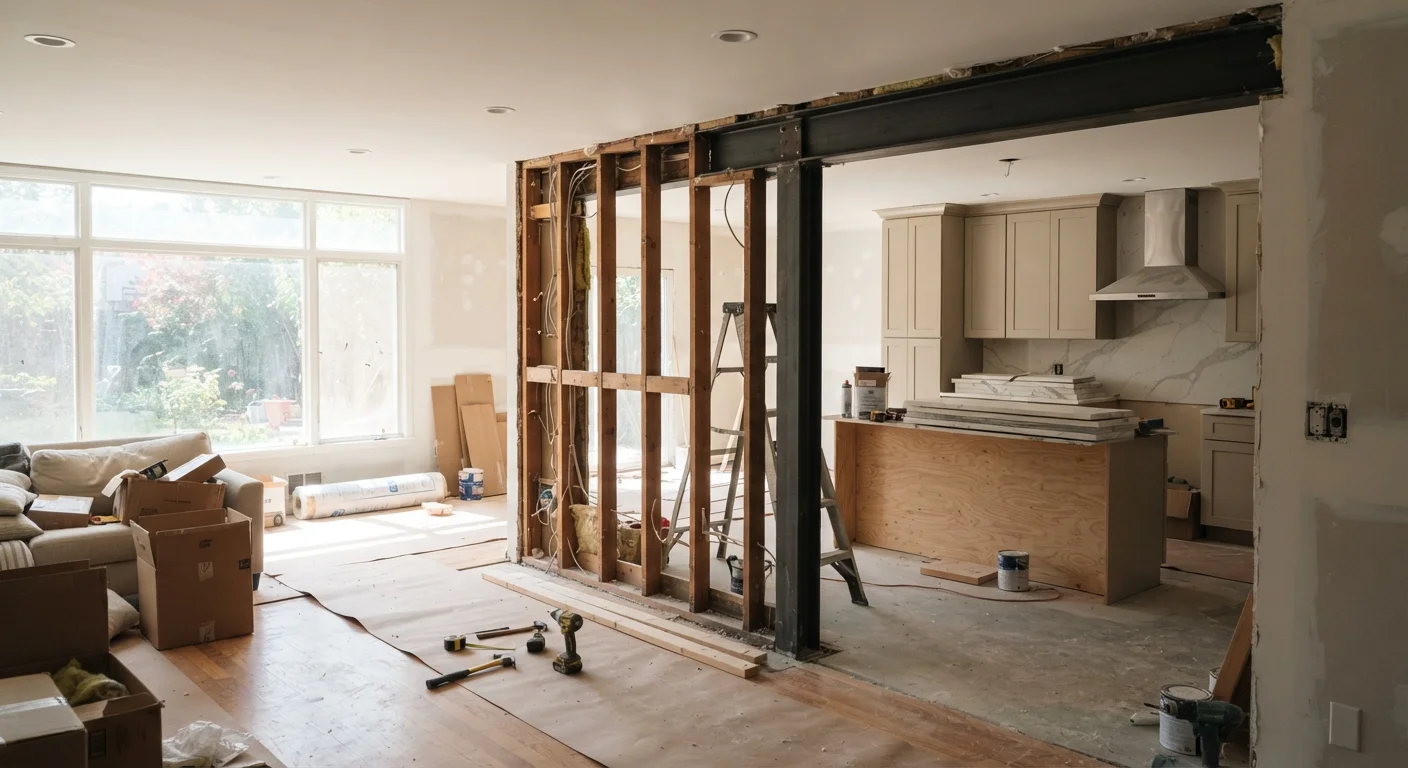
Permits exist to ensure work meets safety codes - not to generate paperwork for its own sake. Electrical panel upgrades, structural wall removal, plumbing rerouting, and HVAC modifications typically require permits in most U.S. jurisdictions regardless of whether the work is interior. When you sell your home, buyers' inspectors frequently flag unpermitted work, which can delay closing, reduce your sale price, or require you to retroactively permit and potentially redo the work. Some homeowner insurance policies also exclude coverage for damage caused by unpermitted modifications. Always check with your local building department before starting - many municipalities have straightforward online lookup tools.
Myth
Renovation projects take about as long as the contractor estimates.
Fact
Renovation timelines almost always extend beyond initial estimates due to material delays, hidden conditions, and scheduling gaps.
Industry experience consistently shows that renovation timelines slip - sometimes by days, often by weeks. Common reasons include materials backordered from suppliers, discovery of unexpected conditions (water damage behind a wall, outdated wiring that must be brought to code), subcontractor scheduling conflicts, and permit inspection wait times. A useful rule of thumb: mentally add 20-30% to any timeline estimate and plan your living arrangements accordingly. If you're renovating a bathroom or kitchen, consider what disruption to that space means for your daily routine and build in contingency from the start. This is especially relevant if you're trying to maintain healthy routines during a renovation season.
Myth
A full gut renovation always yields the best long-term outcome.
Fact
Targeted upgrades frequently outperform full gut jobs in both cost-efficiency and livability, especially in sound older homes.
There's a persistent belief that starting from scratch produces a superior result. In some cases - severe water damage, outdated electrical systems, significant structural issues - extensive renovation is genuinely warranted. But in many others, selective upgrades achieve most of the functional and aesthetic improvement at a fraction of the cost. Refinishing existing cabinets rather than replacing them, upgrading fixtures without moving plumbing, and improving insulation without tearing out drywall are all strategies that can deliver meaningful results. A full gut renovation also introduces more variables: more subcontractors, longer timelines, and more opportunities for cost overruns. Scope your project to the problem you're actually solving, not the most dramatic version of the solution.
Making Smarter Renovation Decisions
The through-line across nearly every renovation myth is the same: the upfront story sounds simple, but the full picture is more complicated. That's not a reason to avoid home improvement - it's a reason to approach it with clear expectations and reliable information.
Unpermitted Work Can Haunt Your Sale
Skipping permits to save time or money is one of the most common - and costly - renovation shortcuts. Home inspectors are trained to identify work that doesn't match permitted records, and flagged unpermitted improvements can stall or kill a sale. In some cases, you may be required to open walls, undo work, or bring it up to current code at your expense before closing. Always verify permit requirements with your local building authority before any significant project begins.
Before starting any significant project, get at least two contractor quotes, research permit requirements with your local building department, and honestly assess your own skill level for any DIY scope. If you're weighing a bathroom overhaul specifically, our bathroom remodel reality check covers sequencing, plumbing constraints, and realistic budget ranges in detail. Likewise, if you're considering removing walls for an open floor plan, read our piece on open-concept renovation trade-offs before you swing that sledgehammer.
Smart renovating is less about having the boldest vision and more about stress-testing your assumptions early - when changes are still cheap.
This article is for general informational purposes only. Renovation costs, permit requirements, and resale outcomes vary significantly by location. Always verify local building codes and consult qualified professionals before undertaking major home improvement work.