Why Plumbing Myths Are So Expensive
Plumbing is one of those home systems most people only think about when something goes wrong. That gap between routine awareness and emergency repair is exactly where myths take root - and where repair bills quietly grow. Many widely repeated pieces of plumbing advice are either outdated, oversimplified, or simply wrong. Acting on them can turn a $15 fix into a $500 service call.
This article addresses the most common misconceptions first-time homeowners encounter, with straightforward corrections grounded in how residential plumbing actually works. For a broader look at how small household habits erode a budget, see our guide to overlooked budget drains.
Myth
"Flushable" wipes are safe to flush - the packaging says so.
Fact
Most wipes labeled "flushable" do not break down in sewer lines the way toilet paper does, and they are a leading cause of residential clogs and municipal sewer blockages.
Unlike toilet paper, which is engineered to disintegrate rapidly in water, most wet wipes - even those marketed as flushable - hold their structure long enough to snag on pipe joints, accumulate grease, and form dense blockages. Wastewater industry groups and municipal utilities have consistently flagged these products as a major source of infrastructure damage. The only items that should be flushed are human waste and toilet paper.
Myth
Pouring chemical drain cleaner down a slow drain is a safe, effective fix.
Fact
Chemical drain cleaners generate heat and can corrode older pipes, damage rubber seals, and create hazardous conditions - and they typically address symptoms, not the actual blockage cause.
The active ingredients in most chemical drain cleaners - lye or sulfuric acid - work by generating intense heat to dissolve organic material. In older metal or PVC pipes, repeated use softens joints and degrades seals. If the clog is partial or deep, the chemical may pool in the pipe without reaching it, sitting against the pipe wall instead. A drain snake or hydro-jetting performed by a plumber addresses the physical obstruction without chemical risk. Reserve drain cleaners for genuine one-time emergencies, not routine maintenance.
Myth
A small drip from a faucet is barely worth fixing - it's just a few drops.
Fact
A faucet dripping once per second can waste more than 3,000 gallons of water annually, adding meaningfully to utility bills and, if ignored, accelerating wear on fixtures.
The U.S. Geological Survey has published drip calculators illustrating how quickly small leaks accumulate at scale. Beyond the water bill, a persistent drip often signals a worn washer or O-ring - an inexpensive part. Left unaddressed, the underlying valve seat can erode, turning a $5 washer replacement into a full faucet rebuild. Fixing drips promptly is one of the highest-return maintenance habits a homeowner can develop.
Myth
Running water while using the garbage disposal means anything can go down it.
Fact
Water helps transport ground material, but it doesn't change what the disposal can safely process - fibrous, starchy, or greasy foods still cause jams and buildups regardless.
Garbage disposals are designed for small quantities of soft food scraps - not as an alternative to the trash. Fibrous vegetables like celery and artichoke wrap around the grinding mechanism. Starchy foods like pasta and rice expand with water and create thick paste that coats drain lines. Fats, oils, and grease solidify downstream and trap other debris. Running cold water during and after use is good practice, but it doesn't neutralize these risks. Compost or trash is the correct destination for problem foods.
Myth
Low water pressure is just an annoyance, not a sign of anything serious.
Fact
Persistent low water pressure can indicate pipe corrosion, a partially closed shutoff valve, a failing pressure regulator, or - in serious cases - an undetected leak in the supply line.
Pressure that drops gradually over months often reflects mineral buildup narrowing pipe interiors, particularly in homes with hard water. Sudden pressure loss in one fixture points to a localized issue; a whole-house drop warrants a licensed plumber's assessment. Ignoring it means the underlying cause continues developing unchecked. A pressure gauge - available at hardware stores - can give you a baseline reading (typically 40-60 PSI is the normal residential range) to share with a plumber if needed.
What to Do Instead of Believing the Myths
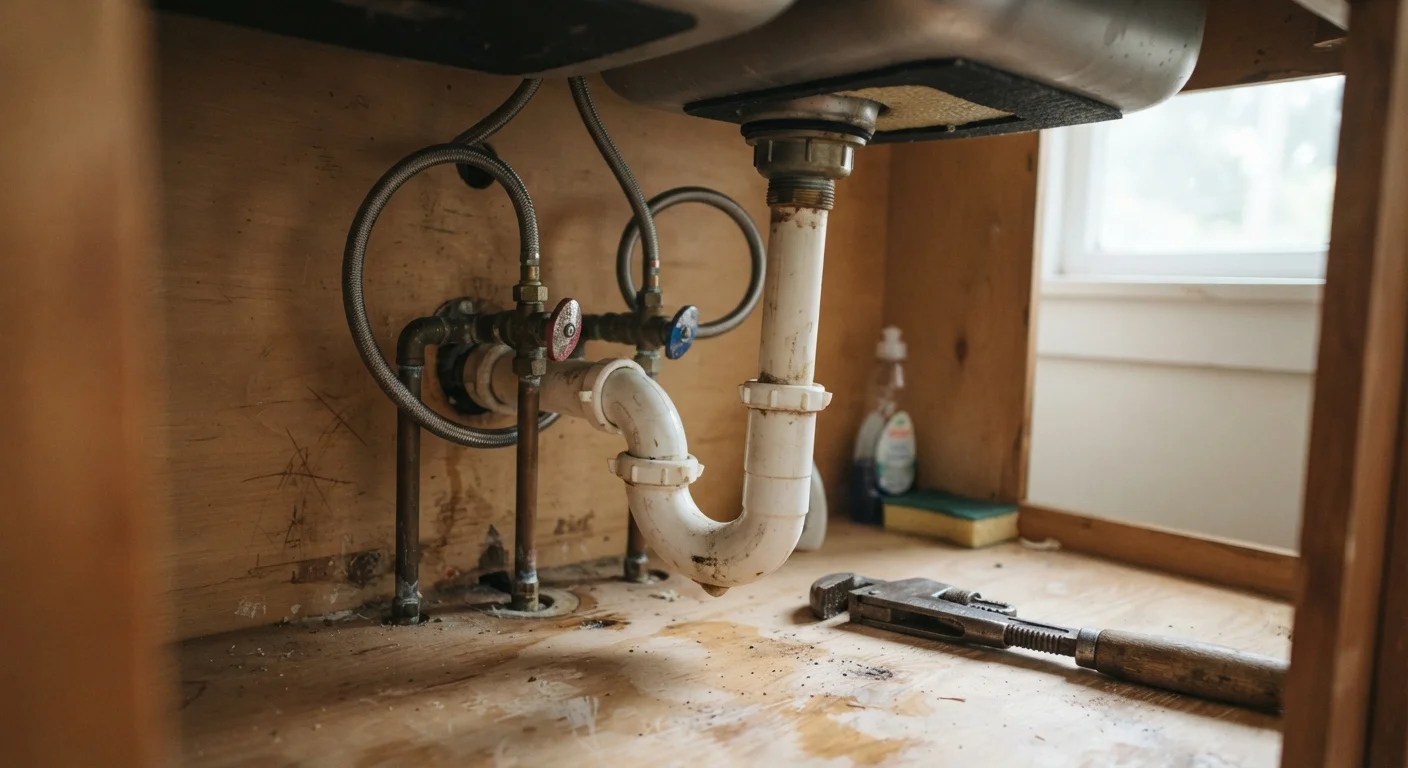
Correcting bad plumbing habits doesn't require expertise - it mostly requires a few updated mental models. Treat your drains as one-purpose tools: water and the substances designed for them, nothing else. Schedule an annual walkthrough of your visible plumbing - check under sinks for moisture, inspect supply lines behind toilets, and note any change in water pressure or color.
DIY Plumbing Has Real Limits
Tasks like replacing a faucet washer or unclogging a drain with a hand snake are generally within reach for a careful homeowner. However, work involving supply line connections to the mains, drain-waste-vent systems, or anything requiring opening walls should be handled by a licensed plumber. In many jurisdictions, certain plumbing work also requires a permit - check your local requirements before starting any project beyond routine maintenance.
For tasks that go beyond observation - diagnosing pressure drops, clearing deep clogs, inspecting water heater components - it's worth calling a licensed plumber. The cost of a diagnostic visit is almost always lower than the cost of a repair delayed. If you're planning larger bathroom work, our bathroom remodel reality check covers how to sequence trades and manage plumbing constraints before work begins. And don't overlook your water heater - routine steps like flushing sediment can meaningfully extend its life, as outlined in our water heater maintenance guide.