What an HVAC Filter Actually Does
Your HVAC system circulates air throughout your home dozens of times each day. Before that air reaches the blower and distribution ducts, it passes through a filter designed to catch airborne particles - dust, pollen, mold spores, pet dander, and more. This protects two things at once: the mechanical components of your system and the air quality your household breathes.
Without a functioning filter, fine particles accumulate on the evaporator coil and blower fan blades. This buildup reduces the system's ability to transfer heat efficiently and eventually causes mechanical strain. Think of it as the difference between breathing through a clean cloth and a dusty one - the restriction adds up fast.
Washable Filters: A Different Maintenance Model
Electrostatic washable filters are reusable and never need replacing - but they do require monthly removal, rinsing, and complete drying before reinstallation. If reinstalled while damp, they can promote mold growth inside your duct system. They're a legitimate option, but only for homeowners committed to a consistent monthly maintenance habit.
Understanding MERV Ratings
Every filter carries a MERV rating - Minimum Efficiency Reporting Value - on a scale from 1 to 16. This number tells you how fine a filter's mesh is and what size particles it can capture.
- MERV 1-4: Basic fiberglass filters. Catch large debris but little else. Rarely sufficient for most homes.
- MERV 5-8: Standard pleated filters. Capture dust, pollen, and mold spores effectively. Good general-purpose choice.
- MERV 9-11: Higher-efficiency pleated filters. Also catch pet dander and fine dust. Well-suited for allergy-prone households.
- MERV 12-16: Near-HEPA performance. Typically designed for commercial or medical environments; may restrict airflow in residential systems not built for them.
Before upgrading to a high-MERV filter, check your HVAC unit's documentation or contact an HVAC technician to confirm your system can handle the increased airflow resistance. Using a filter that's too restrictive can actually damage the equipment it's meant to protect.
5-15%
Potential energy savings from a clean filter
The U.S. Department of Energy estimates that replacing a clogged filter can reduce HVAC energy consumption by 5 to 15 percent.
MERV 8-11
Recommended range for most homes
HVAC industry guidance consistently places MERV 8-11 as the optimal balance of filtration efficiency and airflow for residential systems.
$200-$600+
Typical blower motor repair cost
According to home repair cost aggregators, replacing a failed HVAC blower motor - often linked to restricted airflow from dirty filters - commonly costs between $200 and $600 or more depending on the system.
How Often Should You Actually Change It?
Filter change frequency depends on your specific household - not a universal calendar. Here's a practical framework:
| Filter Type | General Household | Pets or Allergies |
|---|---|---|
| 1-inch standard | Every 60-90 days | Every 30-45 days |
| 4-5 inch media | Every 6-12 months | Every 6 months |
| Electrostatic (washable) | Monthly cleaning | Monthly cleaning |
Beyond these baselines, a few scenarios call for more frequent checks: running a wood-burning fireplace, living near a construction site, or going through a home renovation. During high-use seasons - particularly summer and winter when your system runs constantly - check your filter monthly even if you don't replace it every time.
A simple visual check tells you a lot. If the filter looks gray and densely packed with debris, it's time to swap it regardless of how recently you installed it. For more on building out a broader seasonal maintenance routine, see our quarterly home maintenance checklist.
What Happens When You Skip Filter Changes
Deferred filter maintenance isn't just an air quality issue - it's a financial one. A clogged filter creates a chain reaction of problems:
- Reduced airflow forces the blower motor to work harder and run longer, increasing electricity consumption.
- Frozen evaporator coils can occur when airflow is too restricted for proper heat exchange, potentially shutting the system down entirely.
- Overheated components - especially the blower motor - can fail prematurely, leading to repair bills that dwarf the cost of a year's worth of replacement filters.
- Degraded indoor air quality as a saturated filter loses its ability to capture new particles and can even begin recirculating trapped contaminants.
The cost parallels to other deferred maintenance are real - just as skipping oil changes shortens an engine's life, skipping filter changes shortens your HVAC system's life. Our article on why routine maintenance saves money long-term illustrates the same compounding cost principle in a different context.
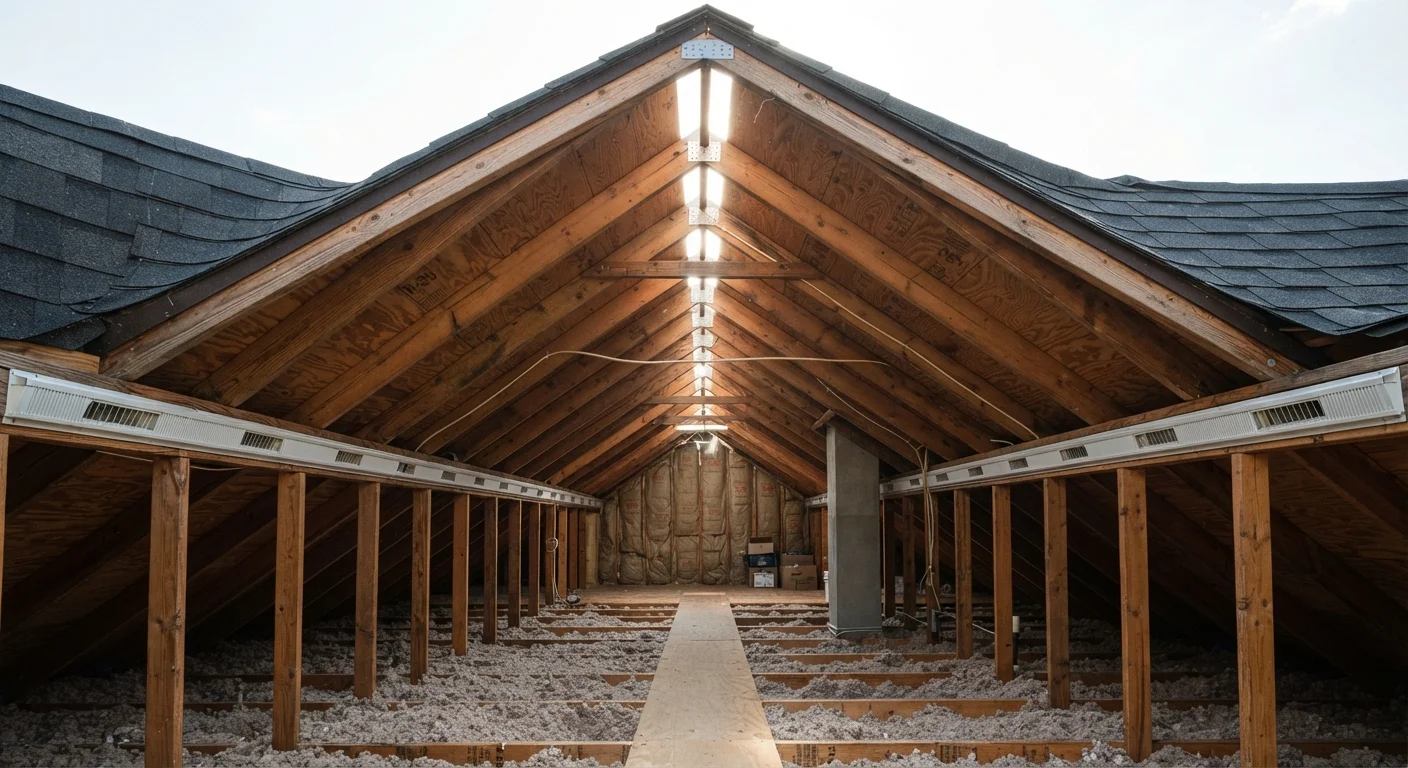
Also worth noting: your HVAC system and your attic work together to regulate your home's temperature. A struggling system amplifies problems caused by poor insulation or ventilation. See how attic ventilation affects your whole home for the full picture.
Set a Calendar Reminder - Seriously
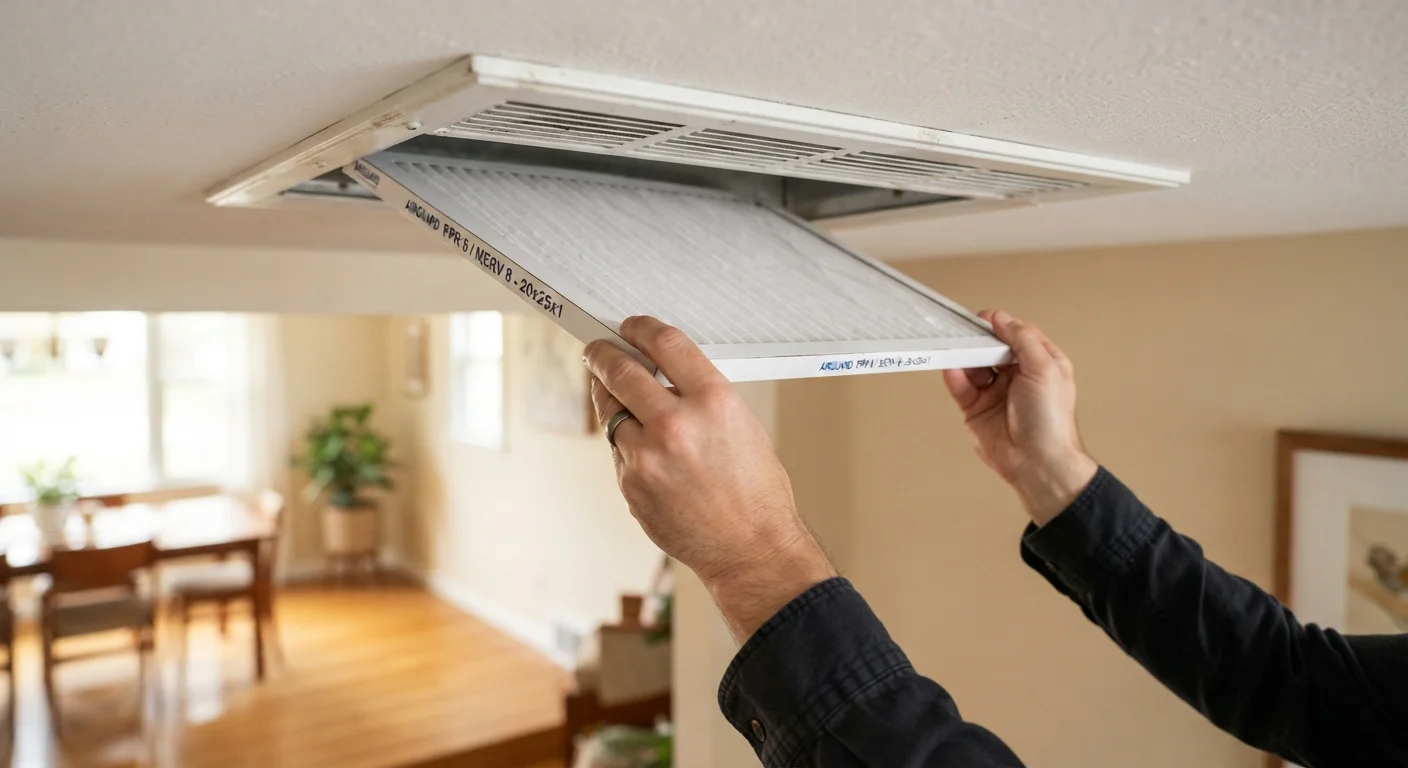
The easiest way to stay on schedule is to set a recurring calendar alert on your phone the day you install a new filter. Write the installation date on the filter's cardboard frame with a marker so a quick visual check confirms when it went in. Buying filters in multi-packs and keeping a spare on hand removes the friction of remembering to shop.