
Why Variable Income Makes Debt Harder to Manage
For freelancers, contractors, gig workers, and commission-based employees, the challenge isn't just earning enough — it's that income arrives unevenly. A strong month can be followed by a quiet one, and fixed debt obligations don't flex to match that rhythm. This mismatch is where financial stress tends to build.
Standard debt advice often assumes a steady paycheck. Strategies like automatic monthly payments or set payoff schedules are straightforward when income is predictable. When it isn't, those same approaches can leave you short in slow months or cause you to under-pay in strong ones. Understanding this dynamic is the first step toward building a system that actually holds up. See budgeting frameworks designed for irregular income for complementary strategies on the income side of the equation.
Core Practices for Managing Debt on a Variable Income
The following practices are grounded in widely accepted personal finance principles and adapted specifically for earners whose monthly cash flow shifts significantly.
Set your baseline debt payment using your lowest expected monthly income, not your average.
Basing payment commitments on average income means you'll be short in any month that falls below that average. Using a conservative floor ensures minimum obligations are always covered, removing the risk of accidental late payments in slow months.
Create a dedicated income buffer account and route all earnings through it before paying bills.
A buffer account smooths out income volatility by holding surplus in high months to cover shortfalls in slow ones. It acts like a personal payroll system, allowing you to 'pay yourself' a consistent amount each month even when deposits vary.
In lean months, protect minimum payments above all other discretionary spending.
Missing minimum payments triggers late fees, penalty interest rates, and credit score damage — costs that compound far beyond the original shortfall. Treating minimums as non-negotiable, like rent, prevents a temporary income dip from becoming a lasting financial setback.
Favor fixed-rate debt over variable-rate debt when you have a choice.
Variable-rate debt (where your interest rate can rise with market benchmarks) adds a second layer of unpredictability on top of income that already fluctuates. Fixed rates lock in a known payment, making it easier to plan even when income varies.
Direct surplus income toward debt in deliberate, lump-sum extra payments rather than inflating your lifestyle.
Strong months create an opportunity to make meaningful progress on principal balances, which reduces the total interest paid over time. Without a deliberate plan, windfalls tend to disappear into ordinary spending without moving the debt needle.
Quick Actions You Can Take This Month
You don't need a perfect system in place before making progress. These immediate steps can reduce risk right now, regardless of where your income lands next month.
Protecting Your Credit Score Through Income Swings
Your credit score doesn't know you had a slow month — it only sees whether you paid on time. Late or missed payments are one of the most damaging things that can happen to your credit profile, so protecting your payment record during lean periods matters as much as paying extra during flush ones.
If you can see a difficult month coming, contact your lender before you miss a payment. Many creditors have hardship programs or can temporarily adjust due dates. This kind of proactive communication almost always produces better outcomes than going silent and missing a deadline. Watch for the warning signs of problematic credit reliance so you can course-correct before a pattern sets in.
Hardship Programs Are More Common Than You Think
Many lenders — including credit card issuers, auto loan servicers, and mortgage providers — offer formal hardship or deferment programs for borrowers facing temporary income disruption. These programs may allow skipped payments, reduced minimums, or waived fees for a defined period. Eligibility and terms vary by lender and loan type, so contact your lender directly to ask what options exist before a payment is missed.
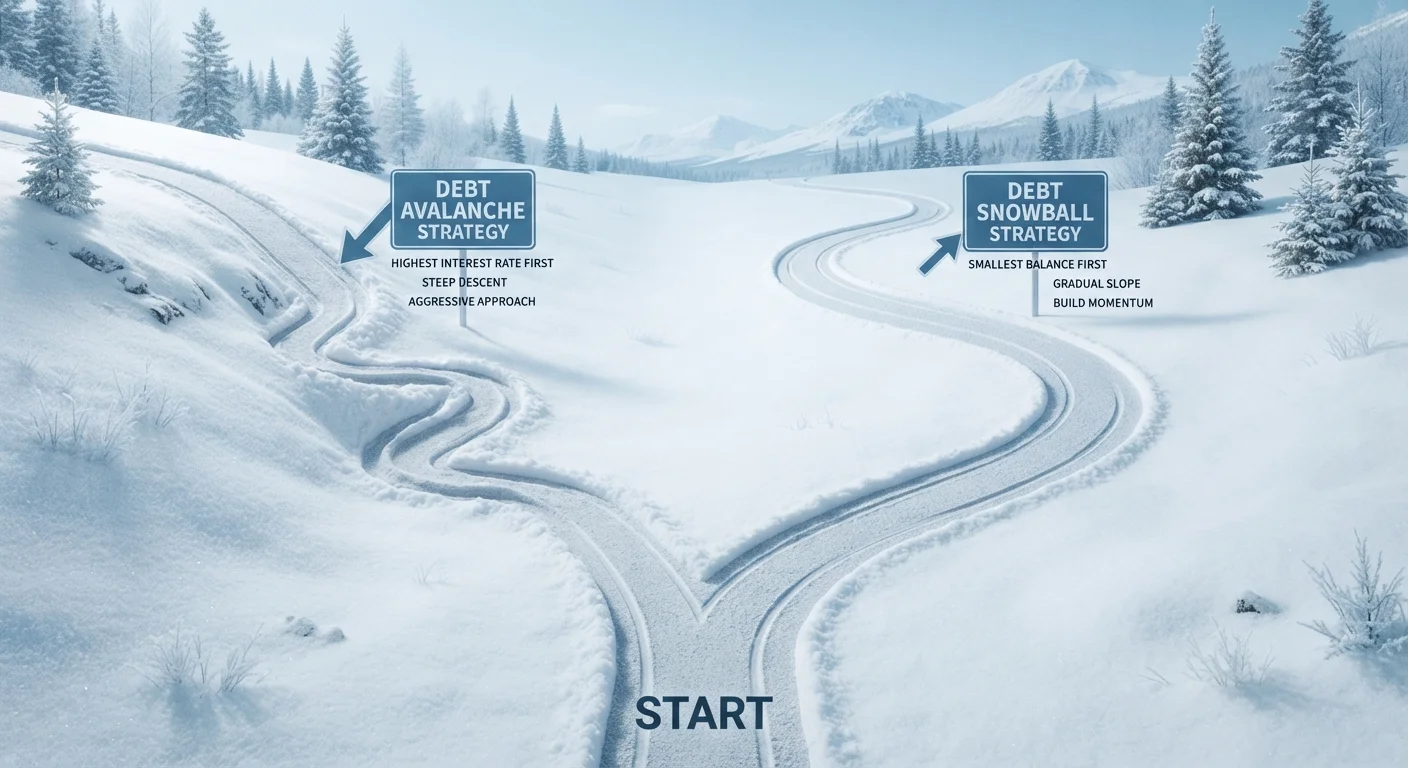
Once your income stabilizes or grows, consider comparing structured payoff approaches. The avalanche and snowball debt payoff methods each have different strengths depending on your balances and motivation style. If managing multiple debts feels unworkable, debt consolidation may be worth understanding — though it doesn't reduce what you owe.
This article provides general financial education and is not personalized financial, tax, or legal advice. Consult a licensed financial professional for guidance specific to your situation.