
When Credit Becomes a Crutch
Credit cards and personal loans are legitimate financial tools — useful for building credit history, managing cash flow timing, and handling genuine emergencies. The problem isn't credit itself; it's the patterns of use that quietly accumulate into serious financial risk.
Many of these patterns feel manageable in the short term. You make the minimum payment. Nothing breaks. But interest compounds, balances grow, and before long the monthly obligation crowds out savings goals, emergency funds, and financial flexibility. Identifying these behaviors early gives you the best opportunity to redirect.
The signs below aren't meant to shame anyone into action — they're diagnostic. If several of them sound familiar, that's useful information. For a deeper look at how credit works and what actually affects your score, see our breakdown of common credit score myths.
You carry a balance almost every month
Carrying a balance from one statement cycle to the next means you're paying interest — often at rates between 20% and 30% annually on consumer credit cards. This is the clearest sign that spending regularly exceeds take-home income. It also means that rewards points or cash-back perks, if you're chasing them, are almost certainly being outpaced by the interest charges accruing on the unpaid balance.
Monthly balances mean interest is silently eroding every dollar you think you're earning in rewards.
You use credit for everyday necessities
Groceries, utilities, gas, and similar recurring expenses should generally be covered by income, not revolving credit. When credit becomes the default for essentials — not as a convenience to pay off in full, but out of necessity — it signals that the household budget has a structural gap. Charging necessities and carrying that balance forward is effectively borrowing at high interest rates to afford basic living costs, which accelerates the debt cycle.
Charging groceries you can't pay off isn't a points strategy — it's borrowing to afford food.
You only make minimum payments
Minimum payments are designed to keep the account in good standing, not to retire the debt. On a $5,000 balance at 24% APR, making only minimum payments could take over a decade to pay off and cost thousands more in interest than the original purchase price. If minimum payments are the norm rather than the exception, it's worth understanding the actual payoff timeline and total cost — most credit card issuers are required to include this information on your statement.
Minimum payments protect your account status but can keep you in debt for a decade or more.
Your credit utilization is consistently high
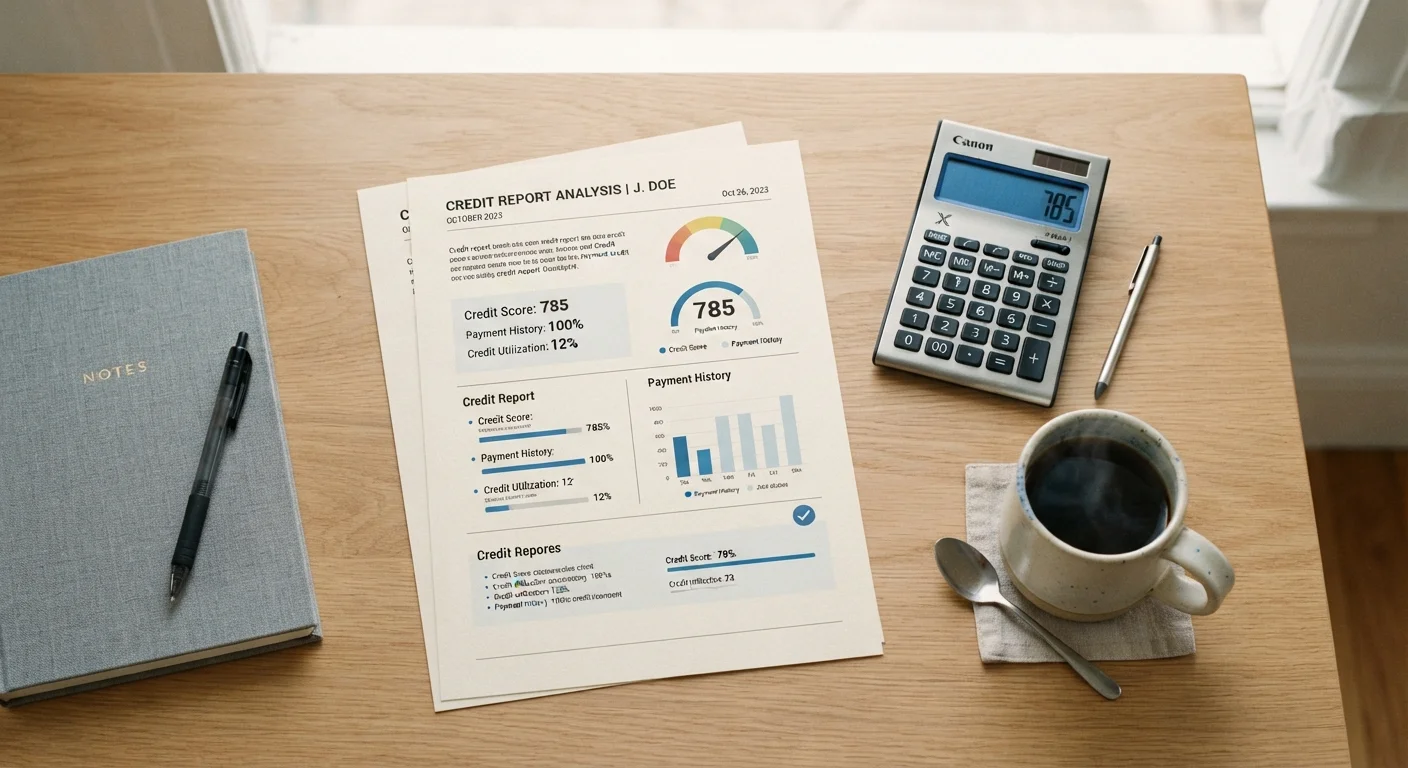
Credit utilization — the percentage of your available revolving credit that you're using — is one of the most influential factors in credit scoring models. Consistently using more than 30% of your available limit, across individual cards or in total, can suppress your score even when you're never late on a payment. Beyond the scoring implications, high utilization usually reflects that balances aren't being paid down between cycles, which ties back to the broader pattern of relying on credit to bridge income gaps.
High utilization can drag down your score even if every payment arrives on time.
You don't have a cash buffer for unexpected expenses
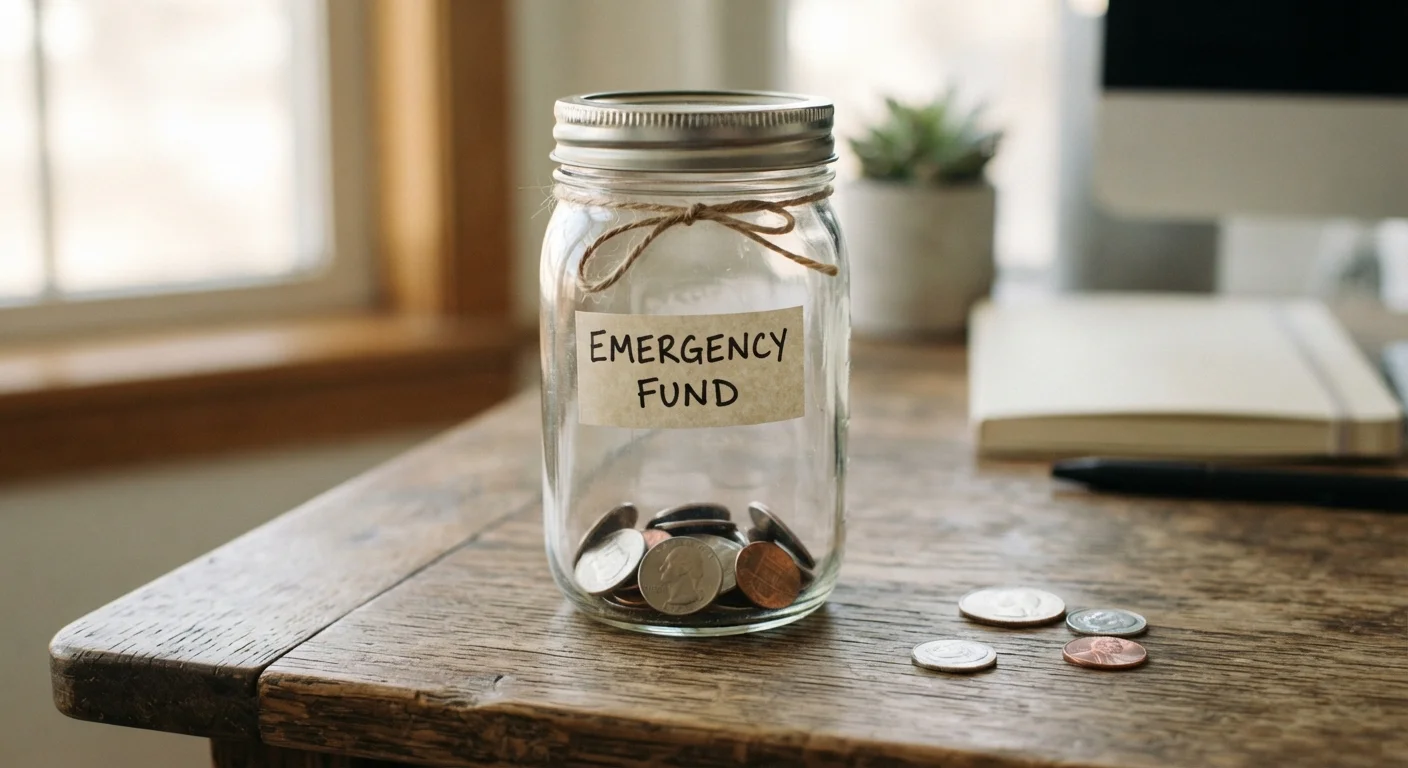
When an unexpected car repair, medical co-pay, or home maintenance issue arises and a credit card is the automatic first response — not because it's convenient, but because there's no cash available — that's a meaningful signal. Without a liquid emergency fund, ordinary life disruptions become debt events. The Saving & Goals hub offers practical frameworks for building that buffer progressively, even on a tight monthly budget.
If every surprise expense lands on a credit card, there's no real financial cushion beneath you.
You've applied for new credit to manage existing credit
Opening a new card to transfer a balance, or taking a personal loan to pay off card debt, isn't inherently problematic — consolidation strategies can reduce interest costs when used carefully. But if this pattern repeats — cycling balances from one account to another without reducing the total owed — it can become a way of deferring the underlying problem rather than solving it. Each new application also generates a hard inquiry on your credit report, which can have a small short-term impact on your score. Check our guide to secured and unsecured credit cards if you're evaluating which type of account fits your current situation.
Cycling balances between accounts delays the debt problem; it rarely resolves it.
Getting Back to a More Sustainable Position
Noticing these patterns is genuinely the harder part. Most people know, in the abstract, that carrying high balances isn't ideal — but abstract awareness rarely prompts change. Specific recognition does.
Once you've identified which patterns apply to your situation, the path forward usually involves two parallel tracks: reducing reliance on new credit while building the cash reserves that make credit less necessary. Even a modest emergency fund of one to two months of essential expenses can dramatically reduce the moments when a credit card feels like the only option. For guidance on protecting those savings once you build them, our article on why emergency funds keep getting raided covers the behavioral patterns behind the cycle.
If you're preparing to apply for new credit — whether to consolidate existing debt or for another purpose — review the pre-application checklist to understand how lenders will evaluate your profile. And if subtle spending patterns are part of what's driving the problem, the guide on spending leaks that derail household budgets is worth a read alongside this one.
This article is for general informational and educational purposes only and does not constitute personalized financial, tax, or legal advice. Readers should consult a qualified financial professional for guidance specific to their circumstances.
Start with one behavior, not all six
If several items on this list resonated, resist the urge to overhaul everything at once. Identify the single pattern creating the most financial drag — usually the one costing the most in interest — and address that first. Sustainable change is more likely when it's focused. The Budgeting Basics hub has straightforward frameworks to help you track where money is going before making larger changes.