How Closing a Card Actually Affects Your Credit Score
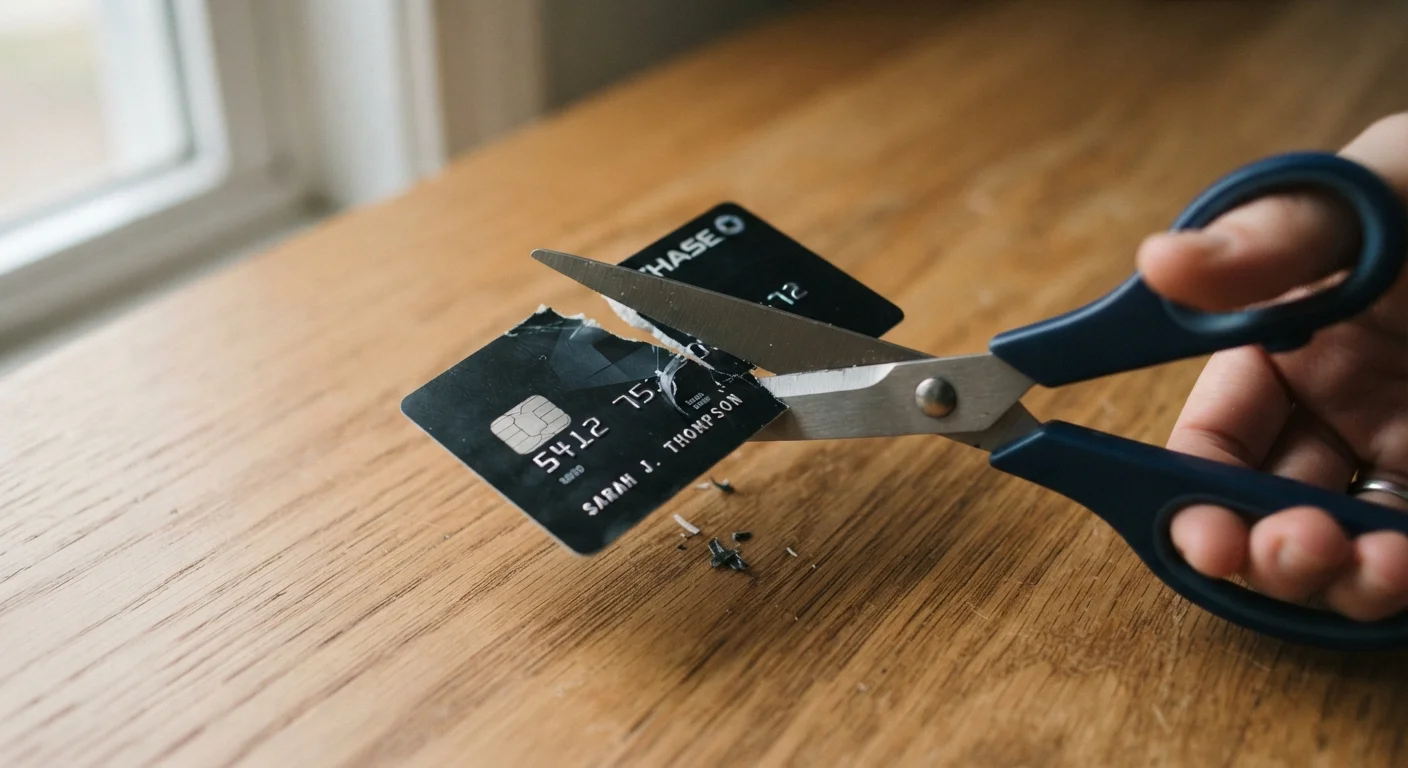
When you close a credit card, two specific parts of your credit score are affected: your credit utilization ratio and your length of credit history. Understanding these mechanics is the first step to making smarter decisions about your accounts.
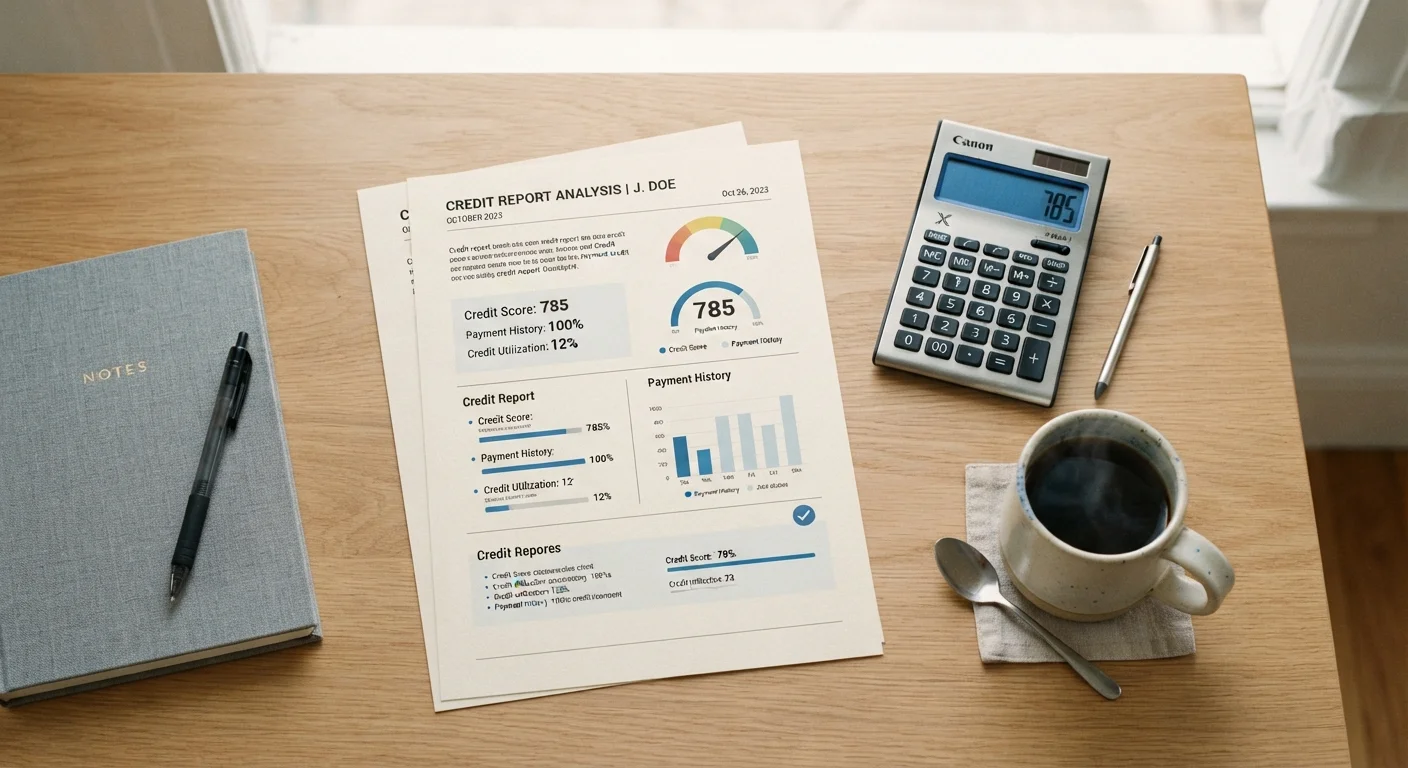
Credit utilization measures how much of your total available credit you're currently using. If you have $10,000 in available credit across three cards and carry $2,000 in balances, your utilization is 20%. Close one card with a $3,000 limit, and suddenly your utilization rises to roughly 29% — without spending a single extra dollar. Cross the commonly cited 30% threshold and your score may drop noticeably.
The second factor is account age. Credit scoring models reward longer credit histories. Closing an old account doesn't erase it instantly, but once it eventually drops off your report, your average account age shrinks — and so can your score.
30%
Credit utilization's weight in FICO score
According to FICO, credit utilization — how much of your available credit you're using — accounts for 30% of your base credit score calculation.
15%
Length of credit history's score impact
FICO attributes approximately 15% of your credit score to the length of your credit history, including the age of your oldest account and average account age.
These aren't hypothetical risks. They're built directly into how major scoring models like FICO and VantageScore calculate your creditworthiness. For a broader look at how these misunderstandings play out, see the credit score myths that keep Americans confused.
Mistakes That Quietly Damage Your Credit After Canceling a Card
Most people who close a credit card don't intend to hurt their score — they're trying to simplify, cut fees, or avoid temptation. But good intentions don't insulate you from the mechanical consequences. Here are the most common errors people make, and how to sidestep them.
Closing a card without calculating the utilization impact.
Why it happens: Most people focus on the balance they owe, not on the credit limit they're eliminating. When a card closes, that available credit disappears — and if you carry balances on other cards, your overall utilization ratio jumps.
Canceling your oldest credit card without considering history length.
Why it happens: Older cards often have outdated designs, lower limits, or no rewards — so people assume they're useless. What they overlook is that a card opened a decade ago is actively boosting their average account age.
Assuming closing a card removes its history from your credit report immediately.
Why it happens: There's a widespread belief that closing an account wipes the slate clean. In reality, closed accounts in good standing typically remain on your credit report for up to 10 years — but once they fall off, their positive history goes with them.
Closing multiple cards at the same time.
Why it happens: People doing a financial reset — paying off debt, simplifying accounts — sometimes close several cards in one sitting. Each closure compounds the utilization and history-length impact simultaneously.
Credit Score Drops Can Have Real Costs
Even a modest drop in your credit score can affect mortgage interest rates, auto loan terms, and rental applications. Before closing any credit card, consider the downstream financial impact — particularly if you're planning a major purchase or application in the next 12 months. This article is general financial education, not personalized advice. Speak with a licensed financial professional about your specific situation.
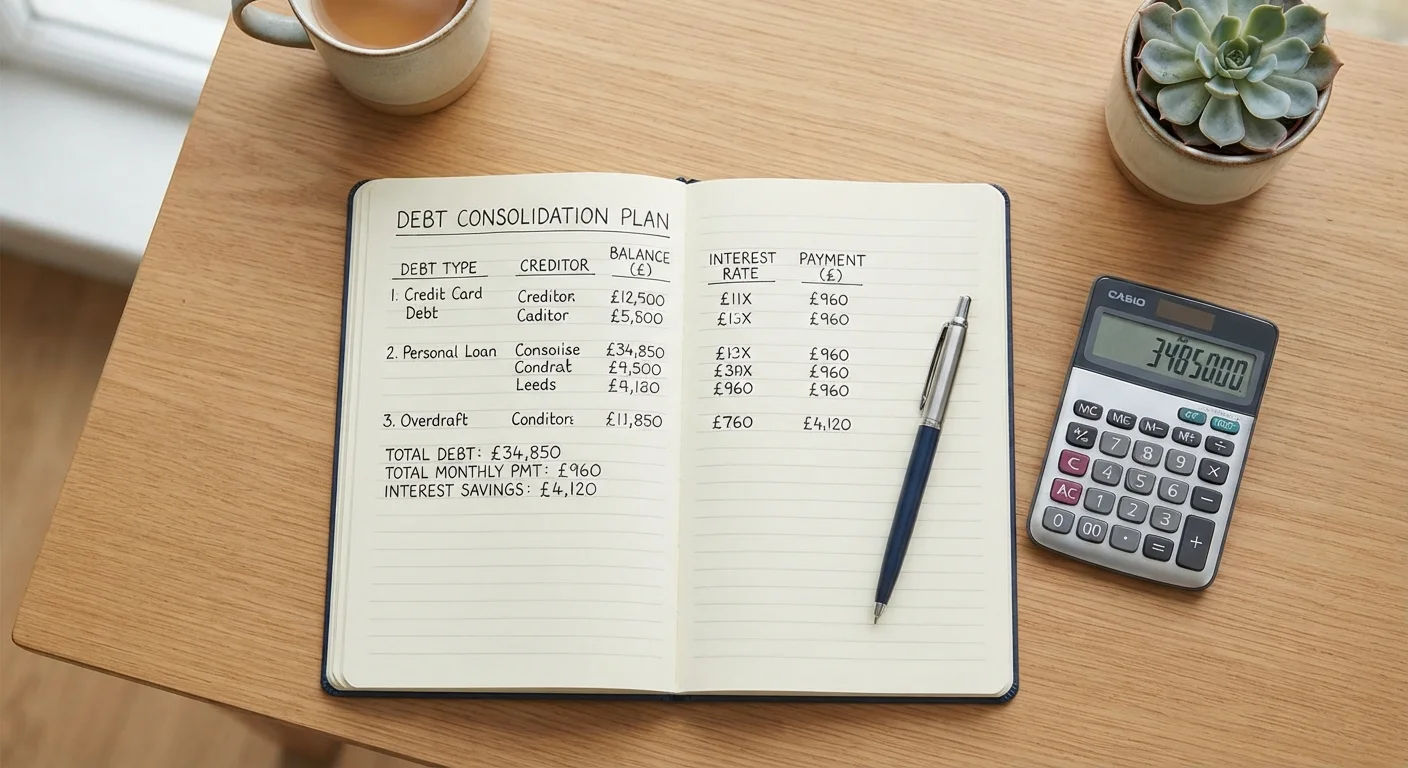
If you've recently reorganized debt — say, through a balance transfer or consolidation — be especially cautious. Learn how those strategies interact with your credit in our guide on what debt consolidation actually does to your finances.
When Closing a Card Might Actually Make Sense
Keeping every card open forever isn't always the right answer either. There are genuine scenarios where closing an account is the more prudent choice — the key is going in with clear eyes.
- High annual fees with no matching value: If a card charges $150 a year and you're not using benefits that justify the cost, the math may favor closing it — especially if the card is newer and not your oldest account.
- Documented overspending trigger: For some people, having open credit lines leads to habitual overspending. If a card is consistently pulling you into debt, the psychological cost may outweigh the credit score benefit.
- Account security concerns: Cards you never use are more vulnerable to fraud. An account you check infrequently can accumulate unauthorized charges without your notice.
In these situations, weigh the score impact carefully before deciding. If you do close a card, pay down balances on remaining cards first to keep your utilization low. And review your full credit picture at AnnualCreditReport.com before and after any closure.
Don't Close Cards Right Before Applying for Credit
If you're planning to apply for a mortgage, auto loan, or other significant credit product, closing a card in the months beforehand is especially risky. Lenders evaluate your credit profile at the moment of application. A sudden spike in utilization or a drop in score could result in worse terms or denial. Hold off on any card closures until after your application is finalized.
If you're seeing patterns suggesting you're leaning on credit too heavily, this look at warning signs of credit reliance is worth reading before making any account decisions.
This article is for general informational and educational purposes only and does not constitute personalized financial or credit advice. Consult a licensed financial professional before making decisions that affect your credit profile or financial situation.