The Physics Behind Why Tailgating Is a Gamble
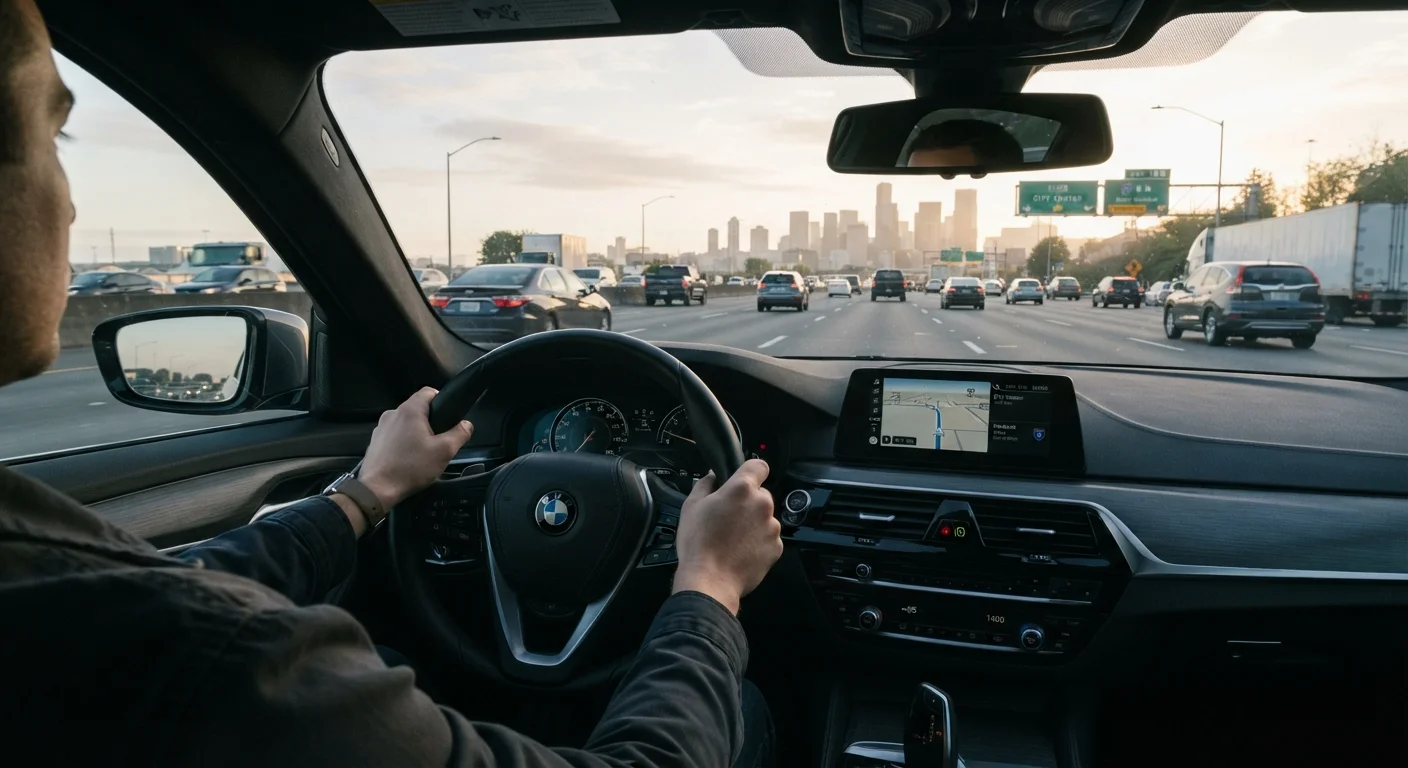
Tailgating feels routine because most of the time, nothing bad happens. Traffic slows gradually, brake lights give warning, and drivers muddle through. But that routine hides a hard physical truth: stopping a vehicle is a two-step process - perception and reaction, then actual braking - and the road consumed by those two steps is far greater than most people picture.
Reaction time alone averages between 1.5 and 2.5 seconds for a typical driver under normal conditions. At 60 mph, 1.5 seconds of reaction time means your car travels about 132 feet before your brakes are even applied. Add braking distance on top of that, and you're looking at well over 200 feet of total stopping distance under ideal dry conditions - and significantly more on wet pavement.
~29%
Of all U.S. crashes are rear-end collisions
According to NHTSA data, rear-end crashes are one of the most common crash types on American roads, with following-too-closely cited as a primary contributing factor.
240+ ft
Typical total stopping distance at 60 mph
The Federal Highway Administration notes that reaction distance and braking distance together commonly exceed 240 feet at 60 mph under normal dry conditions.
4×
Stopping distance increase from 30 to 60 mph
Because braking distance increases with the square of speed, doubling your speed roughly quadruples the road needed to stop - a relationship most drivers underestimate.
Understanding this math is foundational to defensive driving. Hazards on the road don't announce themselves - a deer, a blown tire, or a sudden stop can materialize in a fraction of a second. The only buffer you control is your following distance.
Common Tailgating Mistakes - and How to Break the Habit
Most tailgating isn't malicious. It creeps in through inattention, impatience, or simply never being taught to measure a safe gap correctly. The mistakes below are among the most common - and each one is correctable with a deliberate change in approach.
Following at a fixed distance rather than a time-based gap.
Why it happens: Many drivers were taught to stay 'one car length per 10 mph,' but this translates to different physical gaps depending on speed and is hard to judge accurately in traffic.
Underestimating stopping distance at highway speeds.
Why it happens: Stopping distance increases with the square of speed, not linearly - a fact most drivers were never clearly taught. Going from 30 mph to 60 mph doesn't double stopping distance; it roughly quadruples it.
Reducing following distance when traffic is merging or lanes are narrowing.
Why it happens: Drivers feel pressure to 'protect' their space when other vehicles are trying to merge, instinctively closing the gap to prevent someone cutting in.
Tailgating as a response to feeling blocked by a slower driver.
Why it happens: Frustration behind the wheel frequently triggers the urge to pressure the driver ahead into moving faster or changing lanes. This is an emotional response, not a strategic one.
Ignoring the cumulative effect of distractions on following distance management.
Why it happens: Drivers who are adjusting music, talking to passengers, or momentarily glancing elsewhere often allow their following gap to shrink without noticing.
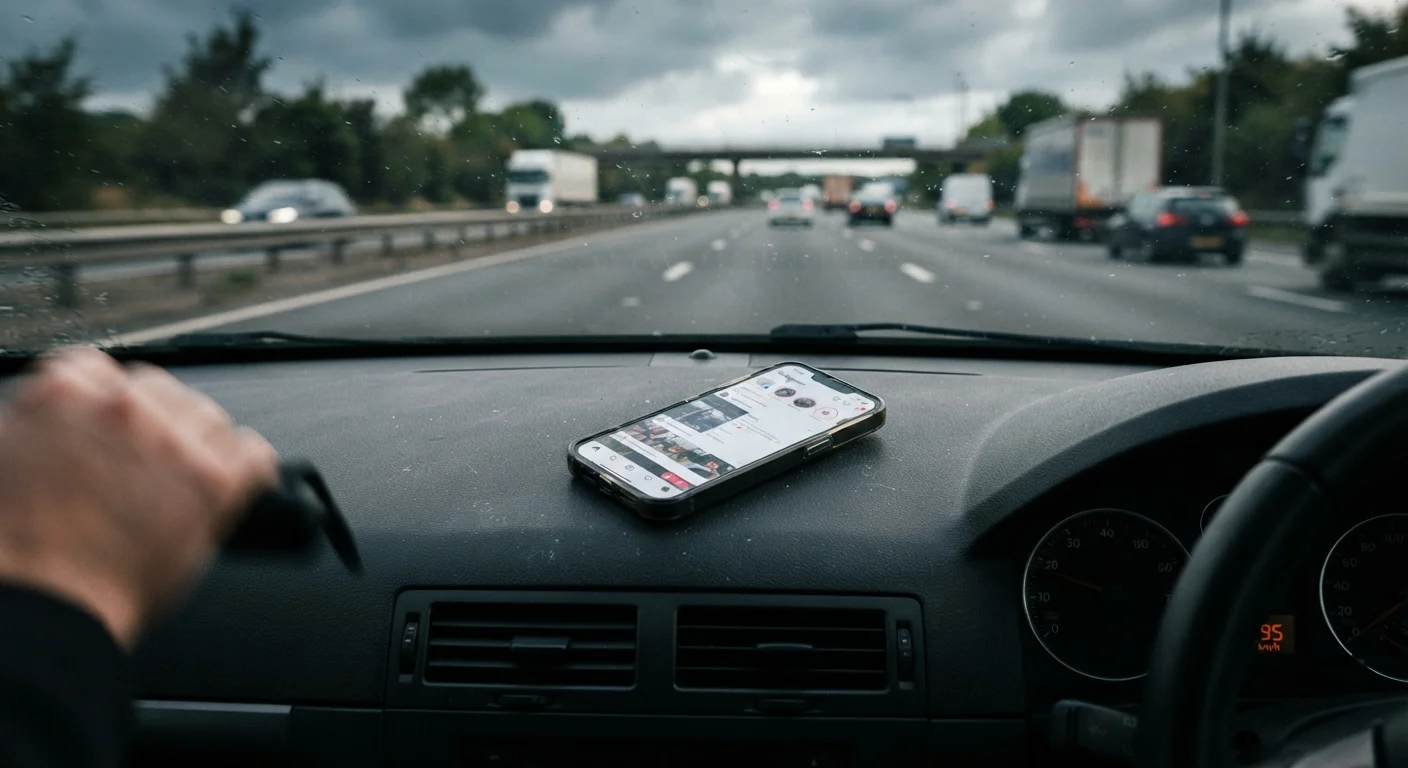
Distraction plays a larger role than most drivers admit. Research cited by the National Highway Traffic Safety Administration (NHTSA) consistently identifies inattention as a contributing factor in rear-end crashes. If you're managing a playlist or responding to a passenger while traveling at highway speed, your effective reaction time stretches well beyond the 1.5-second baseline - which means your already-thin safety margin disappears entirely. For a deeper look at how distraction compounds these risks, see distracted driving myths that still affect safety.
Reaction Time Is Not Negotiable
Even alert drivers take 1.5 seconds or more to perceive a hazard, decide to brake, and move their foot to the pedal. At 60 mph, that reaction gap alone covers over 130 feet before brakes even engage. No amount of skill or attentiveness can compress physics - the only reliable safeguard is maintaining adequate following distance at all times.
When Conditions Demand Even More Space
The three-second rule is a fair-weather, alert-driver minimum. Several conditions each independently require you to extend your following gap:
- Rain and wet pavement: Wet roads can double stopping distance. The three-second gap should become at least five to six seconds.
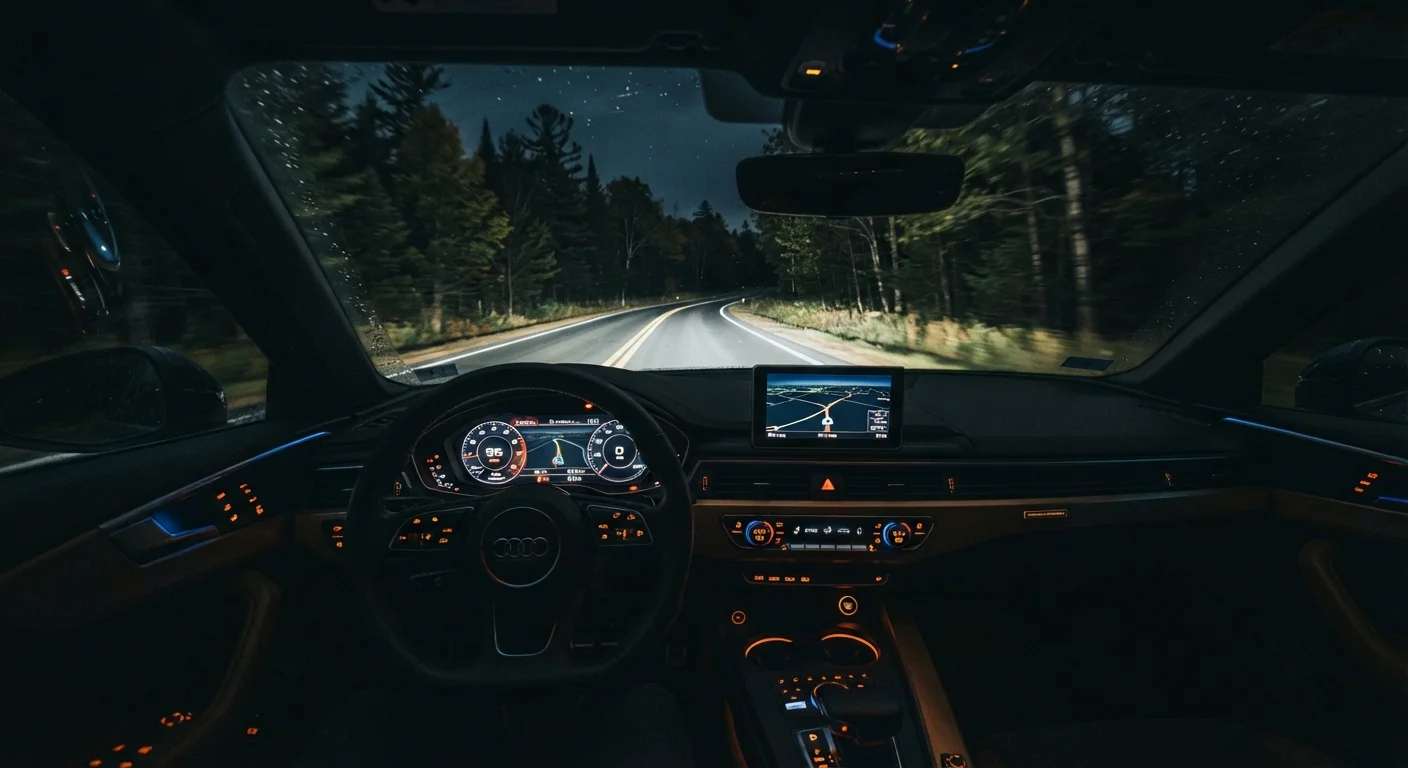
- Night driving: Darkness cuts visibility and reaction time. Adapting your habits after dark means increasing your buffer, not just turning on headlights.
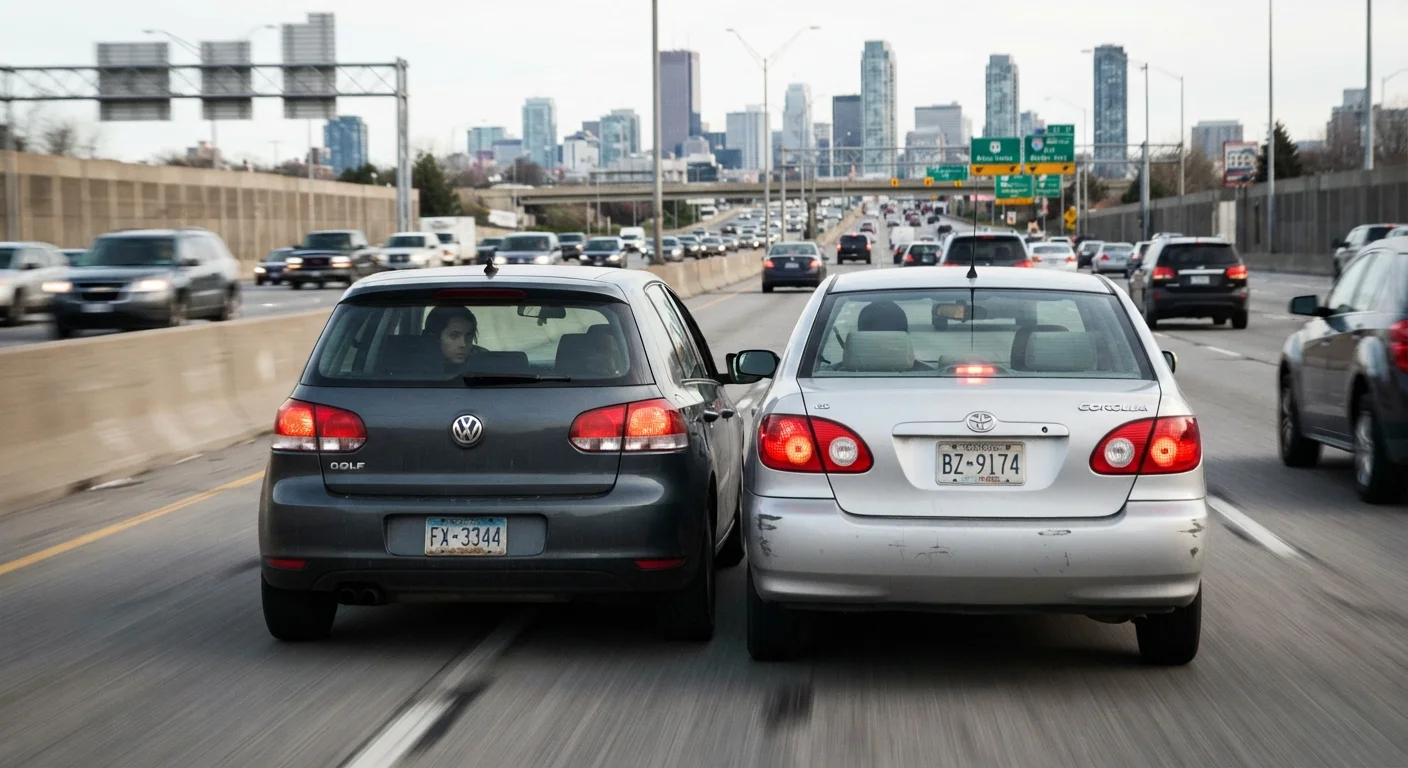
- Freeway merges and lane changes: These are high-pressure moments where following distances frequently collapse. Freeway merging mistakes and tailgating go hand in hand - awareness of both makes you a meaningfully safer driver.
- Towing or carrying heavy loads: Added weight increases stopping distance significantly. Extend your gap accordingly and brake earlier than you think you need to.
- Driver fatigue: Tired drivers have measurably longer reaction times. If you're fatigued, pulling over is the right call - but while driving, an extended following gap provides a partial buffer.
The common thread is that safe following distance isn't a fixed number - it's a variable you adjust continuously based on speed, conditions, and your own alertness level.