What Each Approach Actually Means
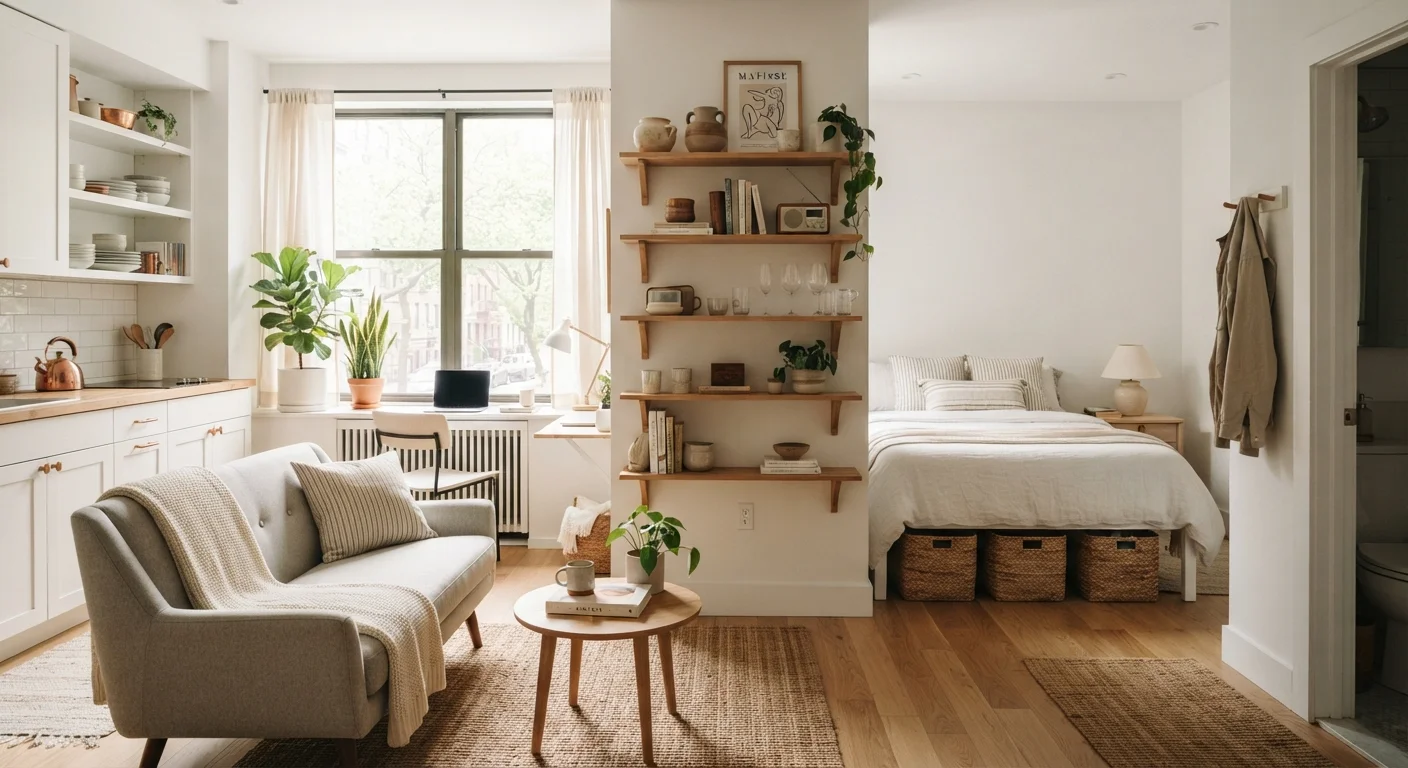
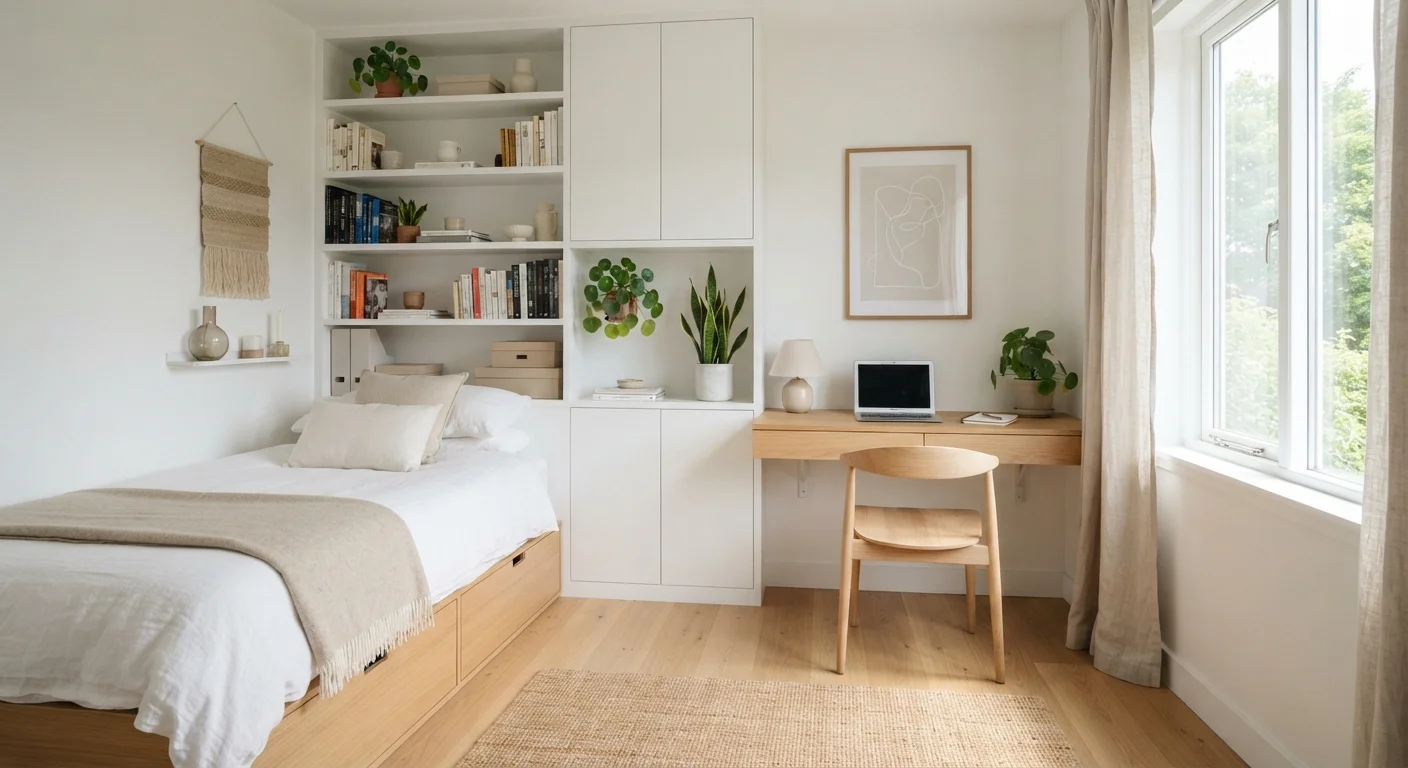
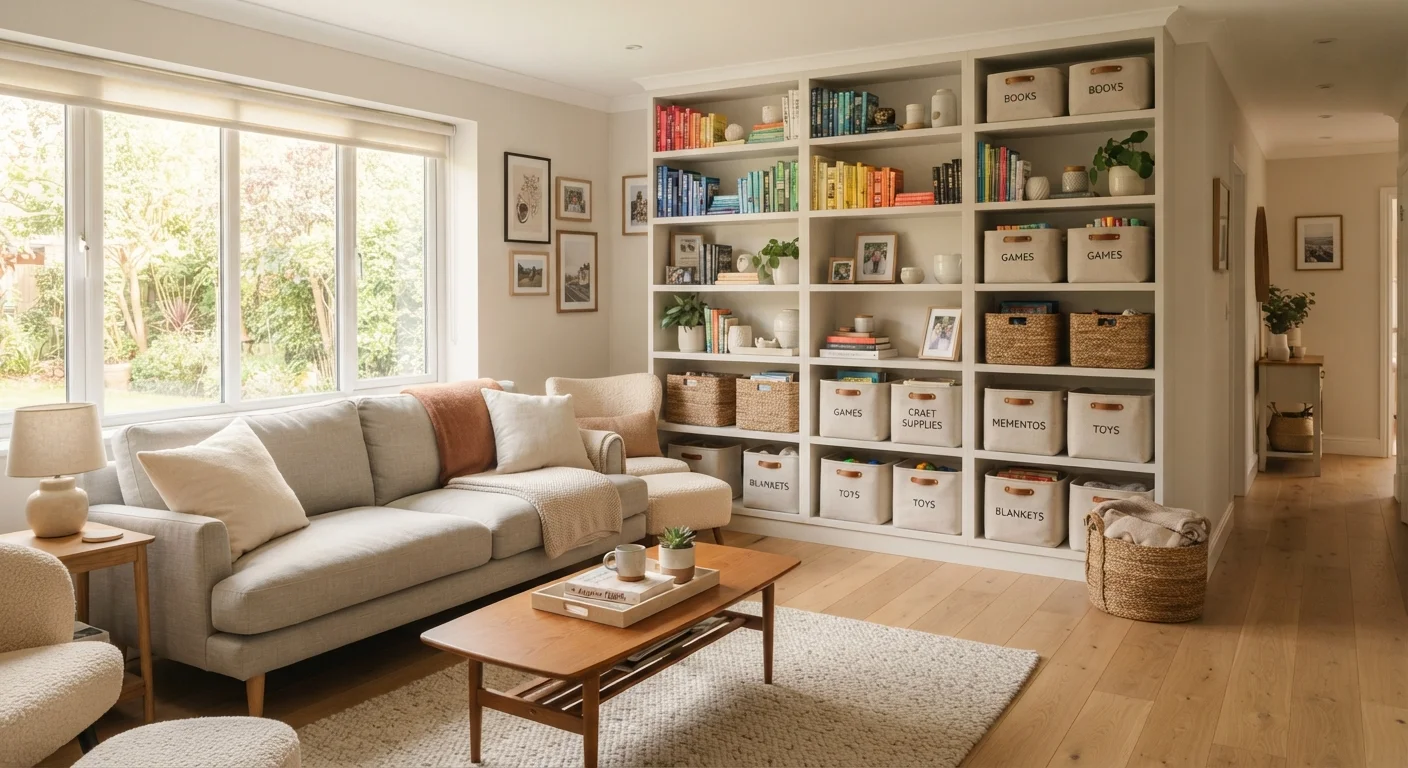
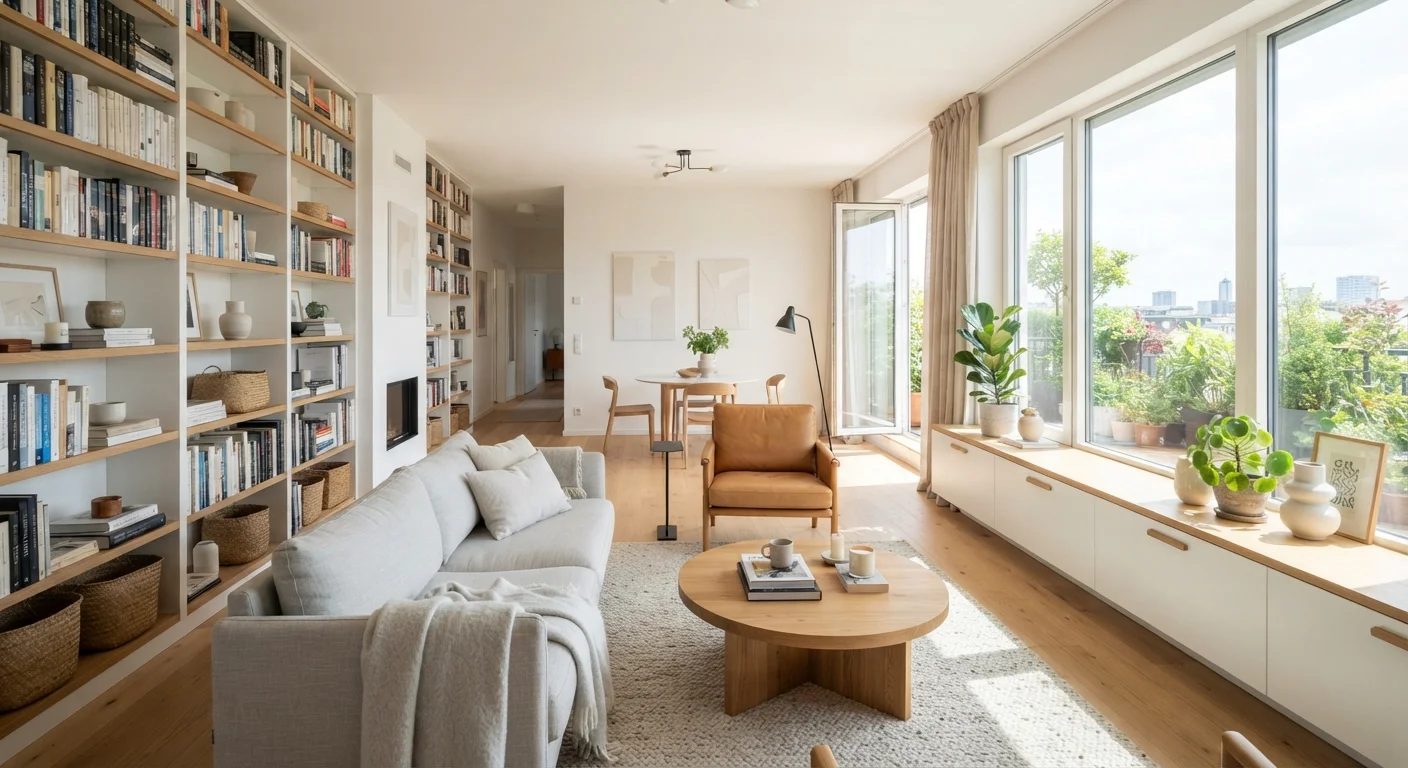
When organizers talk about vertical versus horizontal storage, they're describing the primary direction in which storage expands. Vertical storage builds upward - think floor-to-ceiling shelving, wall-mounted cabinets, pegboards, and stacked drawer units. Horizontal storage spreads outward - low dressers, wide credenzas, under-bed bins, and bench trunks are all horizontal by nature.
Neither approach is universally superior. Each interacts differently with your room's dimensions, traffic patterns, and how your household actually uses its space. Understanding those trade-offs is what helps you make a genuinely useful choice - rather than following a trend that may not fit your home.
For deeper guidance on working within limited square footage, see our small-space organization guide, which covers how to layer both strategies effectively.
| Criterion | Vertical Storage | Horizontal Storage |
|---|---|---|
| Space used | Minimal floor footprint | Larger floor footprint |
| Storage capacity | High - uses wall height | Moderate - limited by width |
| Accessibility | Harder for high shelves | Easy at waist/knee height |
| Safety considerations | Must be anchored to wall | Generally stable independently |
| Room feel | Draws eye upward, feels open | Can feel expansive or crowded |
| Best room types | Small rooms, offices, pantries | Bedrooms, living rooms, wide halls |
| Multifunctional potential | Limited | High (seating, surface area) |
The Case for Going Vertical
Vertical storage's primary advantage is simple: it converts a largely ignored dimension - ceiling height - into usable space. In a typical room with 8- to 9-foot ceilings, a tall shelving unit can hold three to four times the volume of a low horizontal cabinet with the same floor footprint. That ratio becomes especially compelling in apartments and compact homes where every square foot of floor space matters.
Wall-mounted solutions go further by eliminating the floor footprint entirely. Floating shelves, mounted bike hooks in mudrooms, and over-door organizers all reclaim space without taking up any floor area at all. This visual openness also tends to make rooms feel less cluttered, which has real practical benefits when you're living in tight quarters.
There are genuine limitations, though. Items stored above shoulder height are harder to access safely - step stools become a regular requirement. Tall, freestanding units can also become a tipping hazard if not properly anchored to wall studs. Always secure tall storage furniture to wall studs using appropriate hardware, particularly in homes with young children. This is a standard safety practice, not an optional extra. Our storage upgrades guide explores built-in vertical options that eliminate that tipping risk entirely.
~50%
Of usable wall height typically left unused
Interior design professionals commonly note that homeowners tend to place furniture only in the lower third of their available wall height, leaving significant vertical storage potential untapped.
3-4×
More volume from tall vs. low units (same footprint)
A floor-to-ceiling unit with an 18-inch depth can hold roughly three to four times the volume of a waist-high cabinet occupying the same floor space, depending on ceiling height.
The Case for Staying Horizontal
Horizontal storage earns its place through accessibility and versatility. Items stored at waist or knee height are easy to see, reach, and return - which is why horizontal drawers, low cabinets, and under-bed bins tend to work so well for everyday essentials like linens, clothing, and kitchen supplies. The easier something is to put away, the more likely it gets put away.
Wide, low furniture also performs double duty. A storage ottoman becomes seating. A long credenza serves as both a media console and a home for board games, extra batteries, and chargers. This functional layering is particularly useful in living rooms, bedrooms, and shared spaces where furniture needs to work harder.
The trade-off is floor area. In a smaller room, a wide dresser or long cabinet can make a space feel crowded and reduce natural traffic flow. If a room already feels tight, horizontal expansion tends to amplify that problem rather than solve it. Common organization myths often include the idea that more storage furniture automatically solves clutter - but in small rooms, adding a wide horizontal piece can do the opposite.
How to Combine Both for Maximum Impact
In practice, the most functional homes don't rely exclusively on one approach - they use each where it performs best. A useful rule of thumb: apply vertical storage in rooms where floor space is scarce or where you store infrequently accessed items (seasonal decor, spare linens, reference books). Apply horizontal storage where you need daily accessibility and ergonomic comfort.
A few practical combinations worth considering:
- Kitchen: Wall-mounted shelves and cabinet stacks for dry goods and cookware; low drawers for utensils and small appliances you use daily.
- Bedroom: A tall wardrobe or shelving system for clothing and storage bins; a low nightstand or storage bench for items you reach for every evening.
- Home office: Floating shelves above the desk for reference materials; a horizontal filing cabinet or drawer unit beside it for active projects.
If you share your home with others, storage placement also needs to account for different physical heights and habits. Our article on organizing shared spaces offers frameworks for making storage systems that work for everyone in the household. For a related decision that affects the look and practicality of your storage, see our comparison of open shelving versus closed cabinets.
Permits and Professional Help Aren't Always Needed
Most freestanding storage furniture and basic floating shelves don't require permits. However, if you're considering built-in cabinetry, structural wall modifications, or anything involving electrical outlets or load-bearing walls, consult a licensed contractor and check your local building codes. Requirements vary by municipality and housing type.